

 English
 русский
 Español
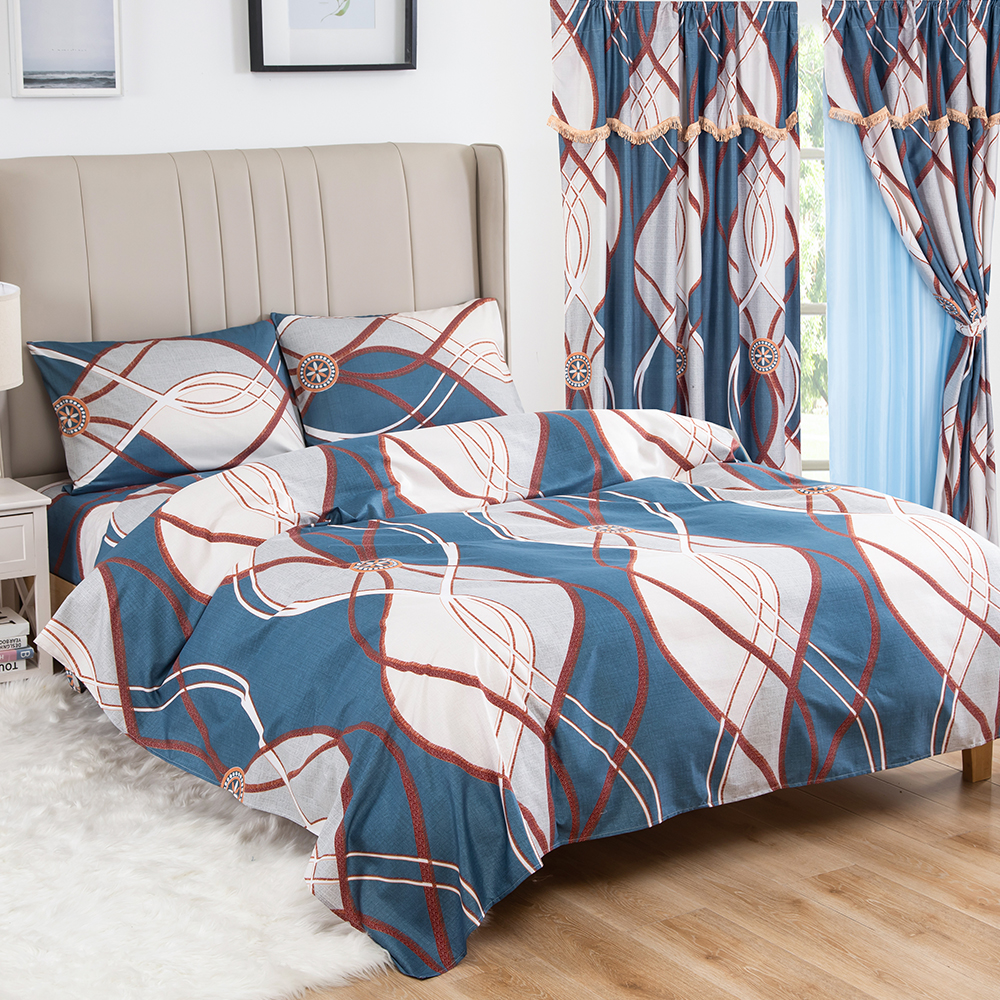
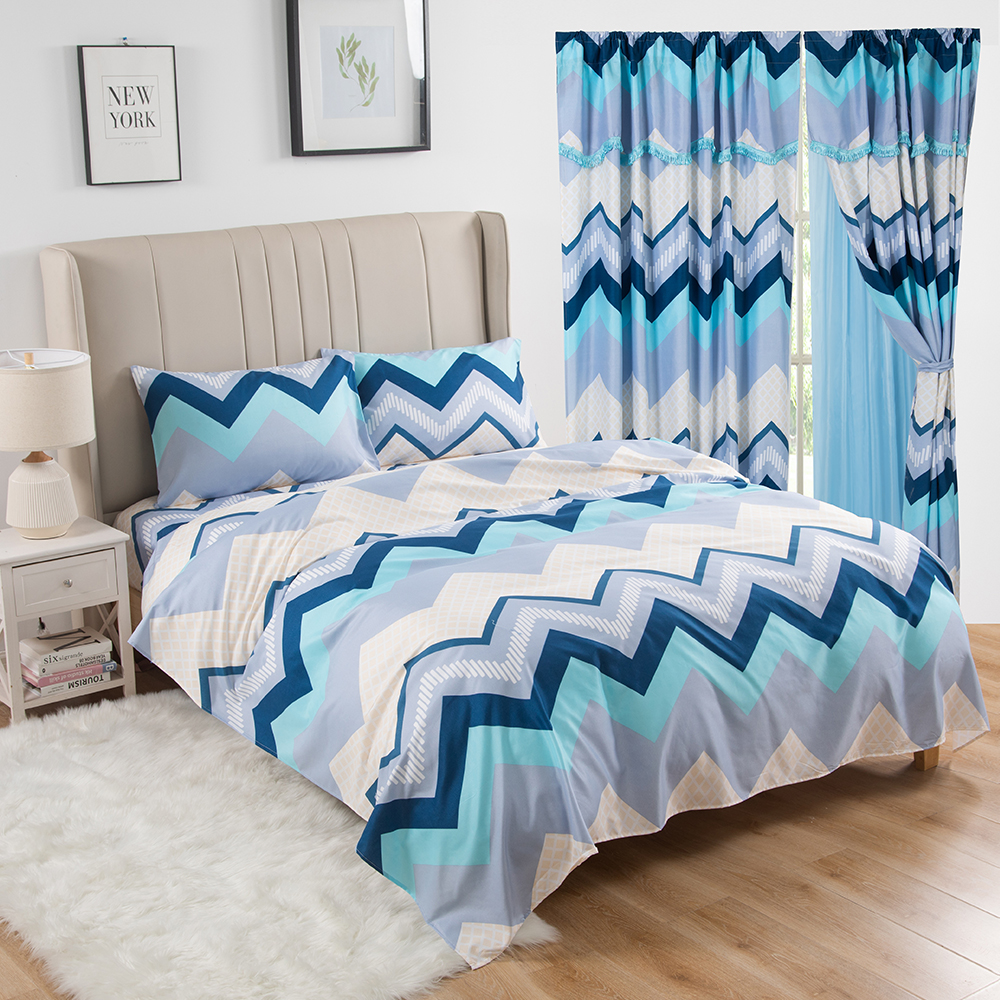
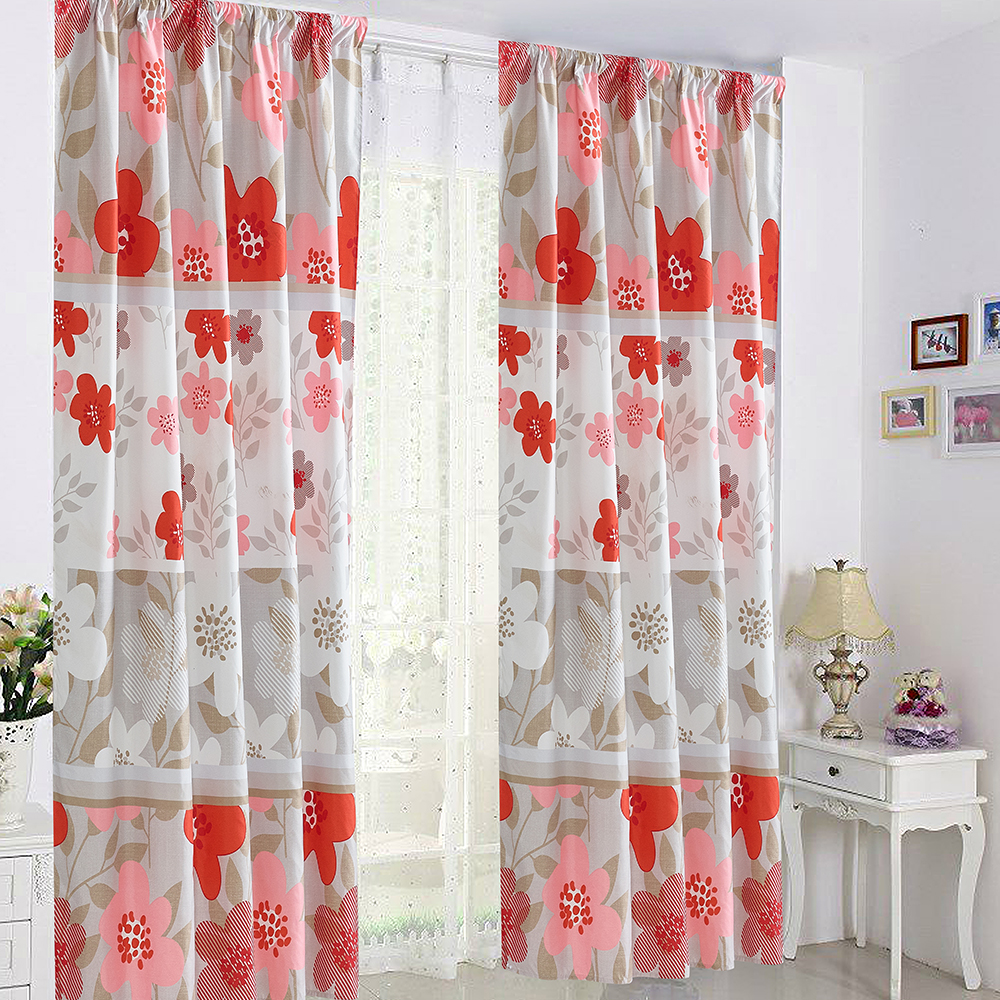
Are the prints and patterns on the printing curtain clear and aligned?
Quality of Printing on Fabric
The clarity of prints on a printing curtain is largely influenced by the quality of the fabric and the printing technique used. High-quality printing curtains utilize fabrics that have a smooth surface, which allows ink or dye to be applied evenly. Uneven or textured surfaces can lead to blurred or distorted patterns. Modern printing technologies, such as digital printing or screen printing, ensure that the colors are applied accurately and consistently across the entire curtain, resulting in clear and vivid patterns that are easy to recognize. Proper control of ink viscosity and drying times also contributes to maintaining print clarity over repeated use and washing.
Alignment of Patterns
Pattern alignment is a critical aspect of printing curtain production, as misaligned patterns can negatively affect the visual appeal. Manufacturers often use precise registration systems during the printing process to ensure that patterns align correctly, both within a single panel and across multiple panels. This is particularly important for designs that require seamless continuation, such as geometric shapes or continuous landscapes. Consistent alignment is achieved through careful calibration of printing machines and quality checks at each stage of production. Even minor misalignments can be noticeable, especially when curtains are installed side by side.
Impact of Fabric Type on Print Quality
The type of fabric used in printing curtains has a direct effect on both print clarity and pattern alignment. Fabrics with tight weaves, such as polyester or cotton blends, provide a stable surface for printing and reduce the risk of ink spreading or bleeding. Looser weaves or highly textured fabrics may cause irregularities in the print and make precise alignment more challenging. In addition, the fabric’s absorbency affects how the ink or dye settles on the surface. Proper selection of fabric material ensures that the printing curtain maintains sharpness and consistent pattern alignment over time.
Printing Techniques and Their Influence
Different printing techniques can influence both clarity and alignment of patterns on printing curtains. Screen printing is widely used for large batches and offers good color saturation, but precise alignment requires careful preparation of screens and stencils. Digital printing allows for detailed designs with high resolution and precise color control, making it suitable for complex patterns or multiple colors. Heat transfer printing is another method that ensures vibrant colors and sharp outlines, though it requires careful temperature and pressure control. Choosing the appropriate printing method for the intended design and fabric type helps maintain the clarity and alignment of the printing curtain.
Color Consistency and Registration
Maintaining color consistency is essential for ensuring the overall quality of a printing curtain. Variations in color can make patterns appear uneven or blurred. Manufacturers implement strict color management processes, including standardized ink formulations and regular calibration of printing machines, to ensure that each curtain meets the desired color standards. Registration, the precise matching of different color layers during printing, is also critical for maintaining pattern alignment. Misregistration can lead to double lines, shifts, or overlaps, affecting both visual appeal and perceived quality of the printing curtain.
| Factor | Effect on Print Quality | Considerations |
|---|---|---|
| Fabric Surface | Smoother surfaces yield clearer prints | Choose fabric with uniform texture |
| Printing Method | Impacts detail resolution and color accuracy | Select appropriate technique based on design complexity |
| Registration | Ensures correct alignment of patterns | Calibrate machines and check each batch |
| Ink and Dye | Affects color saturation and sharpness | Use high-quality, stable ink formulations |
| Fabric Absorbency | Influences ink spread and clarity | Test ink-fabric compatibility |
Role of Manufacturing Process Control
Consistent clarity and alignment in printing curtains depend heavily on strict process control during manufacturing. This includes monitoring the tension of the fabric, the speed of the printing machine, and the drying or curing process of the ink. Any deviation in these parameters can lead to uneven patterns or misalignment. Quality control inspections, including visual checks and measurement tools, are conducted at various stages to detect potential defects. By maintaining careful oversight of the production process, manufacturers can ensure that printing curtains meet standards for both print clarity and pattern alignment.
Effects of Environmental Factors
Environmental conditions during printing and storage can impact the clarity and alignment of patterns on a printing curtain. High humidity or temperature fluctuations can affect ink viscosity and drying, potentially causing smudging or distortion. Storage conditions prior to installation, such as exposure to sunlight or moisture, may also influence the fabric and print quality. Proper handling and controlled environmental conditions throughout production, storage, and shipping are essential to maintain the intended appearance and alignment of the printing curtain.
Long-Term Durability and Maintenance
The longevity of print clarity and pattern alignment on a printing curtain depends on the durability of the ink and the resilience of the fabric. Quality printing curtains are designed to withstand repeated exposure to light, washing, and everyday use without significant fading or distortion. Maintenance practices, such as gentle washing and avoiding harsh chemicals, help preserve the clarity and alignment of patterns. Proper installation and care ensure that the aesthetic quality of the printing curtain is sustained over time, maintaining both its functional and decorative value.
Comparison Between Printing Curtain Quality Levels
Different manufacturing standards and pricing levels can affect the final print clarity and pattern alignment. Higher-quality printing curtains typically involve more precise machine calibration, better fabrics, and advanced printing techniques. Lower-tier products may experience slight blurring, misalignment, or uneven color saturation. Consumers and professionals selecting printing curtains should consider these factors when evaluating product quality to ensure the desired visual outcome is achieved.
| Quality Factor | High-Quality Printing Curtain | Standard Printing Curtain |
|---|---|---|
| Print Clarity | Sharp and well-defined | May have slight blurring |
| Pattern Alignment | Consistent across panels | Minor shifts or mismatches possible |
| Color Saturation | Even and consistent | Potential variation in shades |
| Durability | Maintains clarity over time | May fade or blur after repeated use |
| Fabric Compatibility | Optimized for printing technique | May cause ink bleeding or distortion |
Integration of Design and Printing Technology
Successful production of printing curtains with clear and aligned patterns involves coordination between design and printing technology. Digital designs must be accurately translated into print, with careful attention to scale, repetition, and orientation. Advanced printing equipment allows for precise control over ink application and pattern placement, ensuring that the final product meets aesthetic and functional expectations. Close collaboration between designers and production technicians is essential to avoid misalignment or loss of detail in the finished printing curtain.
Customer Considerations
For consumers, clear and aligned prints on a printing curtain contribute to the overall visual appeal and satisfaction with the product. Misaligned patterns or unclear prints can affect the perception of quality and diminish the decorative value of the curtain. Understanding the factors that influence print clarity and alignment, such as fabric choice, printing method, and care practices, helps customers make informed decisions when selecting printing curtains for home or commercial use. Proper handling and maintenance further support the longevity of the visual quality.
 previous post