

 English
 русский
 Español
Are solid sofa covers prone to wear, fading, or loss of elasticity?
Introduction to Solid Sofa Covers
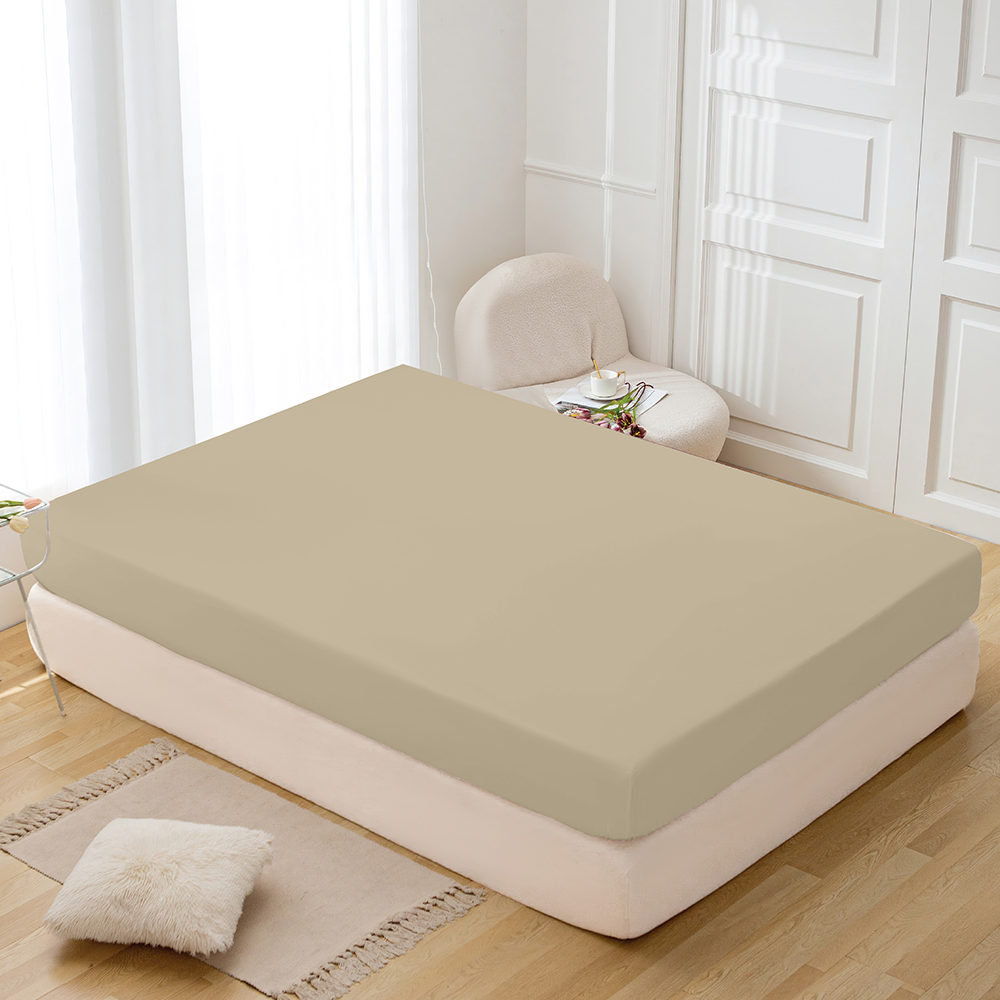
Solid sofa covers are widely used to protect furniture from wear and tear, stains, and dirt. They are an essential part of home decor for many people, as they help maintain the appearance and longevity of sofas and other upholstered furniture. Typically made from fabrics such as cotton, polyester, or a blend of synthetic fibers, solid sofa covers come in a variety of colors and textures to suit different aesthetic preferences. These covers can also add a layer of comfort to the furniture, offering a soft feel while safeguarding the underlying upholstery. However, like any fabric-based product, solid sofa covers can face challenges over time, including wear, fading, and loss of elasticity. Understanding the factors that contribute to these issues can help users take better care of their sofa covers and extend their lifespan.
Wear and Tear on Solid Sofa Covers
Wear and tear are inevitable over time, especially with items that are frequently used, such as sofa covers. The most common causes of wear on solid sofa covers include friction, frequent washing, and exposure to direct sunlight. Areas that experience high levels of contact, such as the arms, seat cushions, and backrest, are particularly prone to showing signs of wear. This can manifest in the form of fabric pilling, thinning, or fraying, where the fibers begin to break down due to continuous friction against the surface of the sofa. These wear patterns are more noticeable in thinner fabrics or in covers that are not made from durable, long-lasting materials.
Another factor that contributes to wear is improper cleaning or the use of harsh cleaning products. Regular cleaning is necessary to maintain the appearance of sofa covers, but if done incorrectly, it can cause the fabric to deteriorate more quickly. Abrasive scrubbing or the use of aggressive chemical cleaners can lead to damage, weakening the fibers and making the cover more susceptible to tearing and fading. Choosing a solid sofa cover made from a durable, high-quality fabric can help mitigate the effects of wear and tear over time, ensuring the cover retains its look and functionality for a longer period.
Fading of Solid Sofa Covers
Fading is one of the most common issues faced by solid sofa covers, especially those that are exposed to sunlight for extended periods. Ultraviolet (UV) rays from the sun can cause the dyes in fabric to break down, leading to color fading. This is particularly noticeable in darker-colored sofa covers, where the difference between the faded and original color can become quite stark. For this reason, it is advisable to avoid placing sofas with solid covers in direct sunlight or to use window treatments that reduce UV exposure in areas with strong sunlight.
The type of fabric also plays a role in how well the color holds up over time. Natural fibers such as cotton tend to fade more quickly when exposed to sunlight compared to synthetic fibers like polyester or nylon, which are often more resistant to UV rays. Polyester, for example, is known for its color retention properties and is often used in fabrics designed for upholstery and furniture coverings. However, even synthetic fabrics are not completely immune to fading, especially if they are exposed to constant sunlight or frequent washing.
Regular cleaning and maintenance can also contribute to fading if not done properly. Harsh detergents or hot water can weaken the dyes in the fabric, accelerating the fading process. To prevent fading, it is recommended to wash sofa covers using a gentle cycle with mild detergent, avoiding high temperatures. Additionally, air drying or line drying the covers, instead of using a tumble dryer, can help preserve the color and prevent unnecessary damage to the fabric.
Loss of Elasticity in Solid Sofa Covers
Elasticity is one of the key features that help a solid sofa cover fit snugly over the furniture. However, over time, the elasticity of the fabric may begin to degrade, leading to a looser fit and an overall less polished appearance. Several factors contribute to the loss of elasticity in sofa covers, including wear, improper cleaning, and the natural degradation of elastic fibers.
One of the main causes of elasticity loss is frequent washing. Washing a sofa cover in hot water or using a high-spin cycle can cause the elastic fibers to lose their tension, leading to a less tight fit. This is especially common with covers that are made from a combination of natural and synthetic fibers, where the elasticity of the fabric is more vulnerable to heat and agitation during washing. Similarly, drying the cover in a hot dryer can exacerbate the issue, causing the elastic fibers to break down and lose their stretchiness.
The quality of the elastic material used in the sofa cover also impacts how well it maintains its shape over time. Some sofa covers are made with low-quality elastic bands or threads that degrade more quickly, while others are constructed with higher-quality materials designed to maintain their elasticity for a longer period. Investing in a higher-quality cover made from durable, stretchable fabrics can help reduce the risk of losing elasticity and maintain a secure fit over time.
Factors That Affect the Longevity of Solid Sofa Covers
Several factors affect the longevity of solid sofa covers and their resistance to wear, fading, and loss of elasticity. One of the most significant factors is the material composition of the cover. Fabrics made from synthetic fibers, such as polyester, nylon, or acrylic, tend to be more resistant to wear, fading, and stretching than natural fibers like cotton or linen. These synthetic materials are often designed to retain their color and shape over time, even with frequent use and washing. Polyester, in particular, is known for its durability and ability to withstand the stresses of daily use.
Another factor that influences the durability of sofa covers is the weave of the fabric. Tighter weaves are generally more durable and resistant to wear compared to looser weaves, which can fray or show signs of wear more quickly. Fabrics with a high thread count tend to be stronger and longer-lasting, making them a better choice for solid sofa covers that will undergo regular use.
The frequency of use also plays a critical role in determining how long a sofa cover will last. Sofas that are used daily or by large families may experience more wear and tear compared to those that are used less frequently. Areas of the cover that come into contact with frequent activity, such as the seat cushions or armrests, are more likely to show signs of wear and fading over time. Regular maintenance, such as rotating cushions and repositioning the cover, can help distribute wear more evenly and extend the life of the fabric.
How to Maintain the Quality of Solid Sofa Covers
Maintaining the quality of solid sofa covers requires regular care and attention. One of the most important maintenance practices is regular cleaning. Most sofa covers are machine washable, but it is essential to follow the manufacturer's instructions regarding the washing temperature, detergent type, and drying method. Washing in cold or lukewarm water with a mild detergent helps preserve the fabric’s color and prevents fading, while air drying or line drying can reduce the risk of shrinkage and damage caused by high heat in a dryer.
For covers that are not machine washable, spot cleaning with a gentle fabric cleaner or using a steam cleaner can help remove stains and dirt without compromising the fabric's integrity. Avoid using harsh chemicals or bleach, as these can weaken the fibers and contribute to fading or loss of elasticity.
In addition to cleaning, protecting the sofa cover from excessive sunlight can help reduce fading. Using curtains or blinds to block out UV rays from direct sunlight can prevent the fabric from deteriorating. It is also advisable to rotate the cover periodically to ensure that areas of high wear, such as the seat cushions, do not become overly faded or worn.
The Long-Term Durability of Solid Sofa Covers
While solid sofa covers can be prone to wear, fading, and loss of elasticity over time, proper care and maintenance can significantly extend their lifespan. The type of fabric, the frequency of use, and the conditions under which the cover is maintained all play a role in how well the cover performs over the long term. By selecting high-quality materials, following the manufacturer's care instructions, and using protective measures to prevent excessive wear, users can ensure that their solid sofa covers continue to offer protection and enhance the appearance of their furniture for an extended period.
 previous post