

 English
 русский
 Español
Is a solid-colored comforter set prone to wrinkles, and does it require frequent ironing?
Introduction to Solid-Colored Comforter Sets
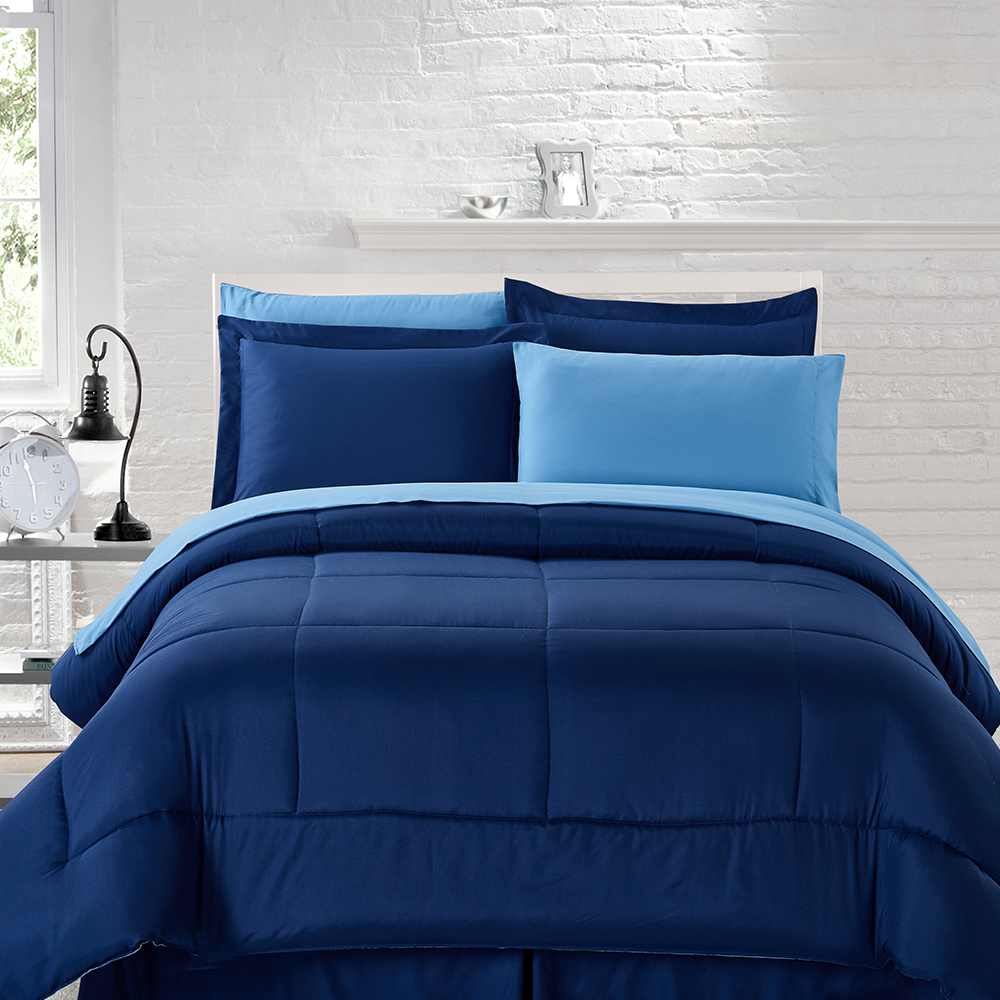
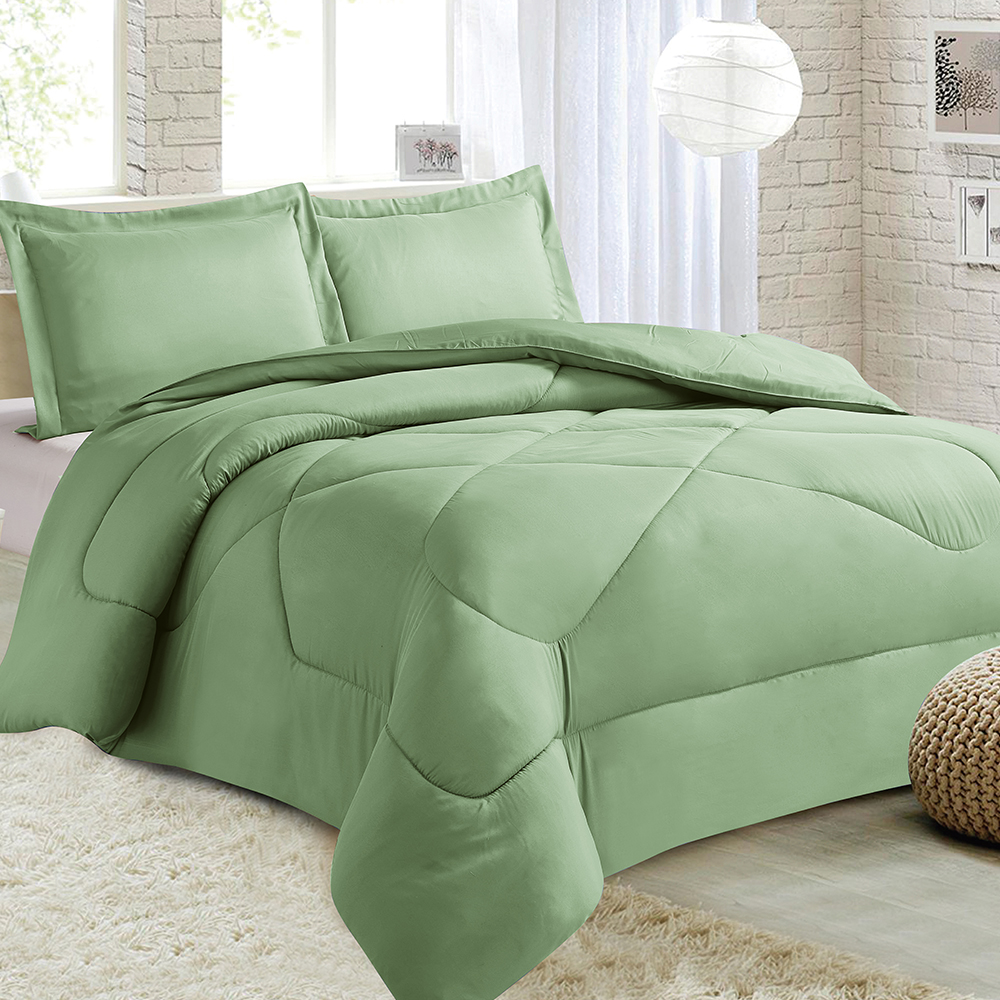
A comforter set is an essential part of bedding that provides warmth and aesthetic appeal to a bedroom. Solid-colored comforter sets, in particular, offer a sleek, minimalistic look that can complement various bedroom styles. These sets typically include a comforter, matching pillow shams, and sometimes additional accessories like bed skirts or decorative pillows. While solid-colored comforters are versatile and visually appealing, a common concern for many individuals is whether they are prone to wrinkles and whether they require frequent ironing to maintain a crisp, neat appearance. Understanding the fabric composition, care instructions, and the factors that contribute to wrinkling can help determine how much maintenance is required for solid-colored comforter sets.
Fabric Composition and Its Impact on Wrinkling
The likelihood of wrinkles in a solid-colored comforter set is largely influenced by the fabric composition. Different fabrics respond to washing, drying, and storage in unique ways, which directly affects their propensity to wrinkle. Common fabrics used in comforter sets include cotton, polyester, microfiber, and blends of these materials. Each of these fabrics has its own characteristics when it comes to wrinkling.
Cotton, for example, is a natural fiber known for its softness and breathability, but it is also prone to wrinkling. When cotton is exposed to moisture, such as during washing, it tends to shrink and form creases. While some cotton comforters may require ironing to smooth out wrinkles, others that are treated with wrinkle-resistant finishes may be less affected. On the other hand, polyester and microfiber are synthetic fabrics that tend to wrinkle less than natural fibers. These materials are often blended with cotton to reduce the amount of wrinkling, making them more resistant to creases and requiring less maintenance. In general, comforter sets made from polyester or microfiber may not need frequent ironing or steaming compared to those made from 100% cotton.
The Role of Weave and Finish in Wrinkle Resistance
In addition to fabric composition, the weave and finish of the fabric also play an important role in how prone a comforter set is to wrinkling. The weave refers to the way the fibers are interlaced to form the fabric, and different weaves can either increase or reduce the likelihood of wrinkles. For instance, fabrics with a tighter weave, such as sateen or twill, tend to be less prone to wrinkling because the fibers are held more securely in place. These weaves are often found in higher-quality comforter sets and can help maintain a smooth appearance even after washing.
Additionally, finishes applied to fabrics can enhance their wrinkle resistance. Many comforter sets are treated with special finishes that prevent creasing and help the fabric retain its shape. For example, a common finish known as “wrinkle-resistant” or “non-iron” is applied to some polyester, cotton, and cotton-blend fabrics. These treatments can significantly reduce the amount of wrinkling that occurs after washing and drying, and may even eliminate the need for ironing altogether. Comforters treated with wrinkle-resistant finishes are generally easier to care for and maintain their smooth, crisp appearance with minimal effort.
Washing and Drying Practices
The way a comforter set is washed and dried can have a significant impact on whether it wrinkles. Improper washing and drying techniques, such as using too much detergent, overloading the washing machine, or drying on high heat, can lead to fabric distortion and wrinkles. For example, washing a comforter set made of cotton on high heat can cause the fabric to shrink and become more wrinkled. Similarly, drying on a high heat setting can exacerbate the problem, as the heat causes fibers to contract and form creases.
To minimize the risk of wrinkles, it is important to follow the care instructions on the label of the comforter set. Typically, washing in cold or lukewarm water and using a gentle cycle can help preserve the fabric’s integrity. Additionally, drying the comforter on a low heat setting or air-drying it can help prevent excessive wrinkling. Some comforters may benefit from a quick tumble in the dryer on a no-heat or fluff setting to remove any wrinkles that form during washing. For those with limited time or inclination to iron, using a fabric softener during the wash cycle can also help reduce the appearance of wrinkles and keep the fabric soft and pliable.
Storage and Maintenance of Solid-Colored Comforter Sets
How a solid-colored comforter set is stored can also influence the likelihood of wrinkles. Storing the comforter improperly can lead to deep creases or permanent folding marks that may be difficult to remove. When storing comforters, it is important to avoid tightly packing them into drawers or closets, as this can cause excessive compression and wrinkling. Instead, comforters should be stored in a way that allows them to breathe, such as folding them loosely or storing them in breathable fabric storage bags. Keeping comforters in a cool, dry place away from direct sunlight can help maintain their shape and minimize wrinkling.
For those who want to further reduce the appearance of wrinkles, using garment bags or vacuum-seal storage bags can protect comforters from damage and wrinkles caused by environmental factors. Additionally, avoiding folding the comforter in the same spots every time can prevent permanent creases from forming in the fabric. Proper storage practices can significantly reduce the need for ironing or steaming and help extend the life of the comforter set.
Does Ironing or Steaming Help Prevent Wrinkles?
While many solid-colored comforter sets may naturally resist wrinkles due to fabric composition and finishes, some individuals may still find that occasional ironing or steaming is necessary to achieve a smooth appearance. Ironing is generally used for smaller wrinkles or creases that form during washing or drying, but it is not always required for comforters made of synthetic materials like polyester or microfiber. These materials tend to retain their shape and smoothness with minimal effort.
Ironing cotton-based comforters, however, can sometimes be necessary, especially if the comforter has become wrinkled after washing. When ironing a cotton comforter, it is best to do so while it is slightly damp, as this can make the process easier and more effective. Ironing should always be done at the appropriate heat setting for the fabric, and using a pressing cloth or steam can prevent damage to the fabric’s surface. Some people prefer to use a garment steamer, as it allows for a gentler approach to removing wrinkles without direct contact with the fabric, reducing the risk of scorch marks or fabric damage.
Alternatives to Frequent Ironing
For those who want to avoid frequent ironing altogether, there are several alternatives that can help maintain a smooth appearance without the need for excessive heat. One of the simplest options is to use a fabric steamer, which can quickly and effectively remove wrinkles without the risk of scorching or burning the fabric. Steaming is a gentler option compared to ironing and is particularly beneficial for those with delicate fabrics or those who prefer not to expose their bedding to high heat.
Another alternative is to use a wrinkle-release spray. These sprays can be applied to the comforter after washing, helping to relax the fibers and remove wrinkles without the need for ironing or steaming. Wrinkle-release sprays are especially helpful for those who are short on time or prefer not to spend too much effort on maintenance. However, it is important to note that the effectiveness of these sprays may vary depending on the fabric and the severity of the wrinkles.
Minimizing Wrinkles in Solid-Colored Comforter Sets
In conclusion, while solid-colored comforter sets can be prone to wrinkling, the extent to which they require frequent ironing depends on various factors, including fabric composition, weave, finish, and how the comforter is cared for. Comforters made from synthetic materials like polyester or microfiber tend to wrinkle less and may not need frequent ironing. On the other hand, cotton-based comforters are more prone to wrinkling and may require occasional ironing to maintain a smooth appearance. By following proper washing, drying, and storage practices, as well as using alternative wrinkle-removal methods like steaming or wrinkle-release sprays, it is possible to minimize the need for ironing and maintain the comforter’s appearance with less effort.
 previous post