

 English
 русский
 Español
Textile Structural Integrity and Thermal Efficiency Metrics in Modern Solid Quilt Set Engineering
Optimizing the microclimate of a sleep environment requires a comprehensive evaluation of textile geometry, structural stitching patterns, and material insulation properties. A premium solid quilt set serves as a critical performance layer in modern bedding design by balancing breathability with structural stability. Unlike patterned or multi-printed blankets that prioritize surface aesthetics, a solid-color quilt relies entirely on high-performance stitching architecture, yarn denier, and batting density to distribute thermal retention evenly across the mattress plane. This structural design prevents the shifting of inner insulation layers, minimizes cold spots, and withstands hundreds of commercial laundering cycles without fabric degradation.
Structural Anatomy and Layering Physics of Multi-Layer Quilts
The fundamental engineering of a high-capacity bedding set depends on a stable three-layer composite material matrix. This structural layout consists of a visible face fabric, an inner insulating core known as batting, and a protective backing fabric. The intersection of these three distinct material planes dictates how the finished product manages moisture vapor transmission and thermal insulation.
When individual panels of fabric are joined without geometric stitching, the internal insulation layer tends to clump or break apart under frictional stress and wash forces. A solid quilt set resolves this physical limitation by using a continuous array of structural stitches that lock the batting tightly between the face and backing sheets. This creates a matrix of small, controlled pockets that trap air uniformly, preventing thermal variations and ensuring a consistent insulation profile of up to 99% across the entire width of the bed surface.
Woven Face Fabrics: Long-Staple Cotton vs. High-Performance Microfiber
The choice of yarn structure for the outer solid-color shells directly influences the tactile durability and airflow properties of the bedding:
- Long-Staple Egyptian or Supima Cotton: Spun from natural cellulose fibers exceeding 34 mm in length. This long profile minimizes loose thread ends within the yarn matrix, resulting in a fabric that boasts high tensile strength, resists pilling, and allows for superb natural air exchange.
- Solution-Dyed Polyester Microfiber: Engineered from ultra-fine synthetic strands measuring less than 1 denier per filament. This tight weave creates a durable barrier against dust mites and mechanical tearing, while retaining deep solid dye pigments exceptionally well over long-term UV exposure.
Stitch Geometry and Mechanical Stress Distribution
The geometric paths carved by quilting needles serve an operational purpose beyond visual surface texture. Every stitch row binds the fabric layers together, converting three loose sheets into a single structural panel capable of handling multi-directional tension.
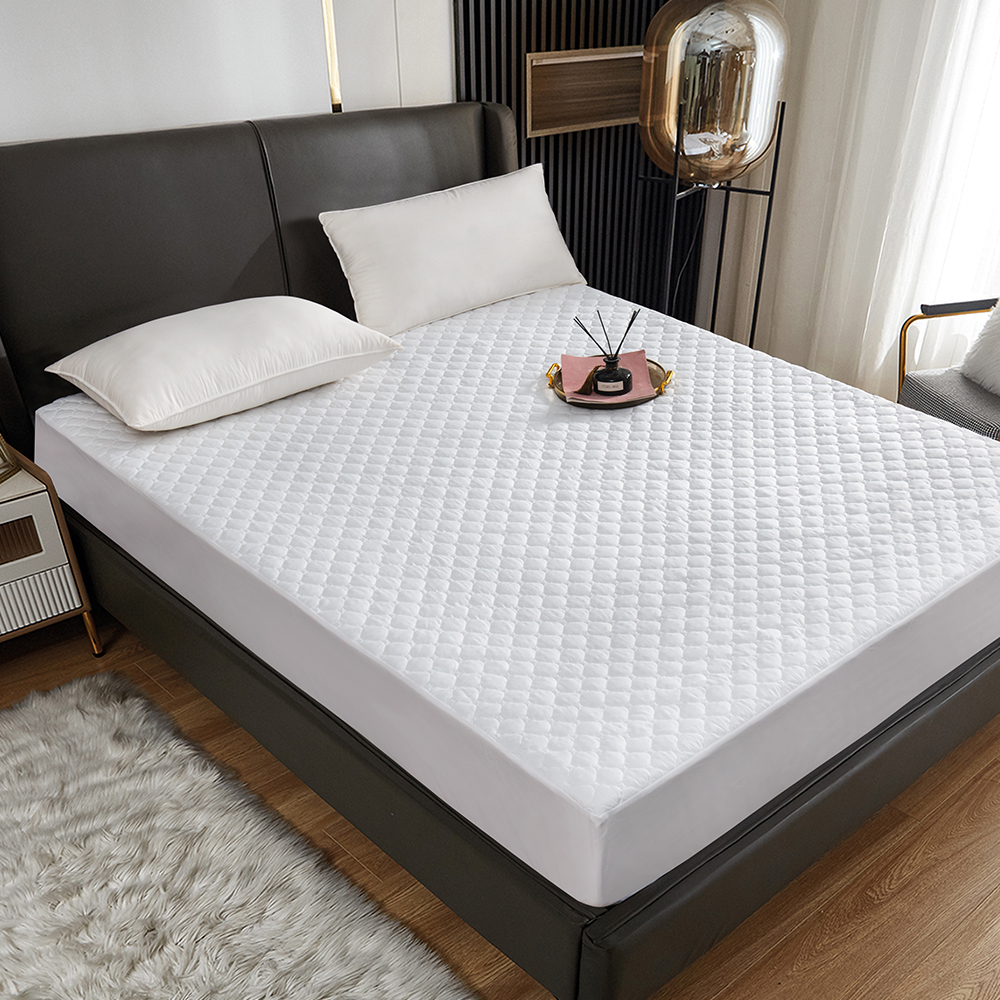
Common structural stitch patterns include micro-box grids, interlocking channels, vermicelli scrolls, and classic diamond matrices. Smaller, high-density stitch shapes (such as 1-inch box configurations) increase the physical stiffness of the quilt shell, compressing the internal batting layer to reduce overall loft while boosting resistance to fabric shifting. Conversely, wider, oversized stitch patterns leave more loose space within the batting, allowing the insulation material to loft naturally. This design traps larger pockets of still air, which increases the quilt's warmth rating without adding unnecessary weight to the bed.
Ultrasonic Sonic Bonding vs. High-Tensile Thread Stitching
Modern manufacturing plants utilize two primary structural assembly methods to produce solid-colored quilt surfaces:
- High-Tensile Thread Stitching: Utilizes physical polyester or nylon threads passing through the layers via high-speed needles. This preserves natural fabric drape and suppleness but introduces tiny puncture paths where fibers can occasionally work their way out over time.
- Ultrasonic Sonic Bonding: Employs localized high-frequency acoustic vibrations to melt synthetic thermoplastic fibers together at specific pressure points without using any physical thread. This creates a 100% snag-proof surface that is highly resistant to claw damage from household pets, making it an incredibly durable choice for high-use environments.
Material Performance and Thermal Insulation Specifications
Selecting a solid quilt set requires a careful review of structural weight metrics, fabric thread counts, and specific thermal resistance parameters. If a quilt uses a low-density batting or a poorly constructed face weave, it will struggle to maintain its shape or insulation value after standard machine washing cycles.
The table below evaluates four distinct material and construction classes common to solid quilt sets, outlining their weight limits, thread densities, and performance characteristics:
| Fabric & Batting Matrix | Thread Count / Denier Weight | Batting Density Rating | Average TOG Value (Insulation) | Ideal Climatic Application |
|---|---|---|---|---|
| Percale Long-Staple Cotton Face with Pure Cotton Batting | 300 Thread Count | 200 GSM (Grams per Sq. Meter) | 2.5 to 3.5 TOG | Warm summer seasons, high-humidity climates, and warm sleepers |
| Brushed Synthetic Microfiber Face with Polyester Fill | 95 GSM Shell Weight | 240 GSM Siliconized Fiber | 4.0 to 5.0 TOG | Four-season transitional climates, standard air-conditioned rooms |
| Woven Bamboo Rayon Shell with Blended Bamboo Fill | 400 Thread Count | 180 GSM Organic Bamboo | 2.0 to 3.0 TOG | Subtropical environments, users prone to heavy night sweats |
| Pre-Washed Natural Linen Face with Cotton/Poly Blend | 150 GSM Pure Flax Yarn | 220 GSM Mixed Core | 3.5 to 4.5 TOG | Variable temperature zones, rustic residential installations |
Dye Chemistry and Color Fastness Parameters
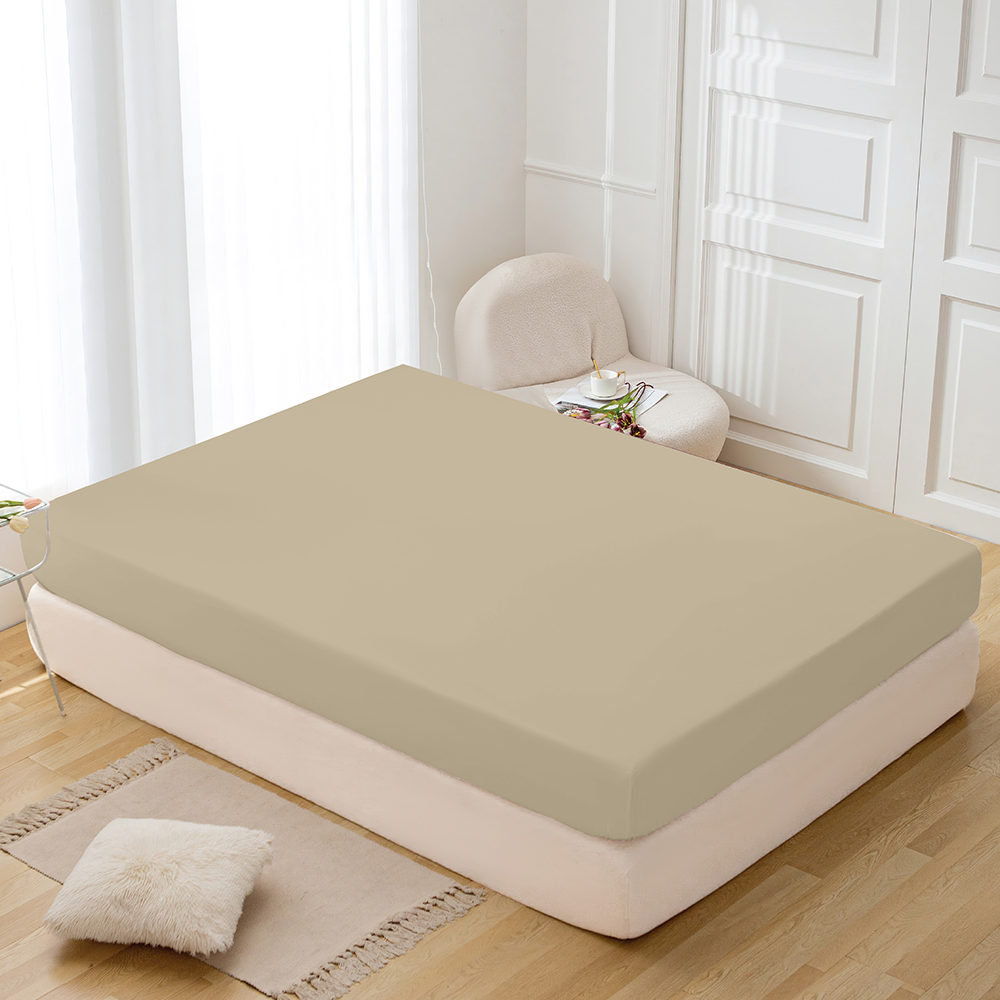
Because a solid quilt set features a single, uninterrupted color plane across its entire surface, any color fading, streaking, or washing out will be immediately noticeable. High-quality manufacturing relies on advanced fiber coloration techniques to lock in deep pigments and prevent degradation.
Premium formulations utilize reactive vat dyeing for natural plant fibers, or solution dyeing for synthetic polymers. In reactive vat processing, the dye molecules form a covalent chemical bond directly with the cellulose atoms of the cotton yarn, integrating the color into the fiber structure itself. This advanced chemical bonding yields exceptional performance scores during standard crocking and washing tests, ensuring that rich navy, charcoal, or forest green tones retain their original depth without bleeding onto white sheets or fading from exposure to friction.
The Dynamic of Pilling Resistance and Yarn Twist
The formation of small, unsightly fiber pills on a quilt surface occurs when loose thread ends untwist and rub together from body friction. Choosing fabric woven from tight, high-twist combed yarns helps minimize pilling. This manufacturing step removes short, weak fibers before spinning, creating a smoothly polished outer surface that remains soft and lint-free over years of continuous use.
Laundering, Material Maintenance, and Lifespan Preservation
To preserve the integrity of the structural stitching and avoid premature thinning of the inner batting, owners should adhere to a strict, non-abrasive laundering routine.
- Thermal Gradient Management: Always wash the quilt set using cold or lukewarm water adjusted to a maximum temperature of 30°C (86°F). Hot water cycles can weaken synthetic stitching lines and cause natural cotton batting structures to shrink unevenly.
- Chemical Agent Selection: Utilize mild, pH-neutral liquid detergents free from optical brighteners or chlorine bleaches. Harsh chemical agents can strip away the structural bonds of reactive dyes, leading to uneven splotching and premature fading across solid fabric surfaces.
- Mechanical Drying Protocols: Tumble dry the quilt using a low-heat, gentle cycle. Add two or three clean wool dryer balls into the tumbler drum; these balls gently strike the fabric as it rotates, loosening clumps in the internal batting layer and restoring original loft without exposing the outer shell to damaging high temperatures.
Environmental Certification and Clean Manufacturing Protocols
Since bedding fabric sits in close proximity to the skin for extended periods, checking the safety and environmental criteria used during textile production is an essential health step. The chemical processing steps involved in dyeing large volumes of solid-color fabrics can leave behind residual trace elements if the manufacturing facility is not properly managed.
To ensure consumer safety, look for solid bedding sets that carry the independent OEKO-TEX Standard 100 or Global Organic Textile Standard (GOTS) certification stamps. These independent validations guarantee that every layer of the product—including the face fabric, internal batting cores, sewing threads, and edge bindings—has been rigorously screened for over 300 common toxic substances. This rigorous standard confirms the quilt is entirely free from harmful heavy metals, formaldehyde residues, and allergenic colorants, providing a clean and safe environment for sensitive skin types.
 previous post