

 English
 русский
 Español
The Architecture of Furniture Protection: Maximizing Dimensional Stability and Abrasion Resistance with Premium Jacquard Sofa Covers
The Structural and Tensile Advantages of Integrated Loom-Woven Furniture Protectors
Specifying a high-density jacquard sofa cover engineered with multi-directional stretch filaments provides interior architects, facility managers, and residential property owners with an advanced, form-fitting textile barrier that contours perfectly over complex furniture geometry. Unlike cheap, non-woven throws or basic printed canvas sheets that slide out of place, these covers integrate structural textures directly into the fabric matrix using complex loom coordinates. This precise knitting configuration delivers a tensile recovery efficiency of up to 98% under continuous compression while offering a 200% increase in fabric thickness compared to standard plain-weave slipcovers. This geometric stability ensures the cover maintains a tailored look, survives intense mechanical washing cycles, and resists seam tearing in active high-traffic environments.
In modern textile engineering, protecting upholstery fabrics requires a material that balances mechanical stretch with a dense, chew-resistant surface texture. Standard lightweight slipcovers rely on thin, flat polyester weaves that wrinkle under horizontal friction, leading to fabric shifting, exposed leather seams, and rapid surface pilling. Form-fitting jacquard configurations solve these layout vulnerabilities by weaving elastomeric yarns (such as premium spandex or Lycra) directly alongside textured polyester or cotton blends. This dual-axis tension layout holds the fabric tightly against the furniture frame, preventing the loose sagging that ruins the visual clean lines of a room.
Textile Engineering, Grams Per Square Meter Metrics, and Weave Complexities
The longevity, surface depth, and snag resistance of a premium pattern slipcover depend heavily on its weight metrics, yarn blend ratios, and internal loom programming.
Evaluating Fabric Mass and Grams Per Square Meter Ratings
Commercial-grade furniture slipcovers are graded by their fabric mass, measured in Grams Per Square Meter (GSM). A low-grade slipcover typically sits below 180 GSM, leaving it thin enough to show the original couch pattern underneath and vulnerable to pet claw tears. High-fidelity options utilize a heavyweight 240 to 320 GSM knit configuration. This extra yarn mass provides a thick cushion that blocks liquids from absorbing immediately, dampens sound vibrations within the room, and completely hides contrasting dark upholstery fabrics beneath its surface.
Analyzing Elastomeric Blend Chemistry and Recovery Dynamics
To achieve a seamless look across different sofa styles like box-cushion, T-cushion, or track-arm designs, the textile relies on a precise polymer blend. Premium weaves use a composition of 85% to 95% high-tenacity polyester mixed with 5% to 15% polyurethane spandex threads. The polyester component provides excellent color retention and stain resistance, while the high spandex content lets the fabric expand up to 130% of its relaxed footprint without suffering permanent deformation or thread thinning along high-stress seams.
Comparative Performance Evaluation: Loom-Woven Jacquard Knit Covers vs. Standard Printed Plain-Weave Slipcovers
Selecting an effective institutional or residential protective wrap requires comparing surface wear life against dimensional slipping, pet scratch safety, cleaning effort, and texturing quality. The comparative table below outlines the core differences between these two common textile architectures.
| Material Performance Variable | Loom-Woven Jacquard Knit Cover (Textured) | Standard Printed Plain-Weave Slipcover |
|---|---|---|
| Martindale Abrasion Limit (Cycles) | High (Exceeds 30,000 rubs before fiber thinning) | Low (Typically fails under 10,000 rubs due to thin yarns) |
| Surface Friction and Slipping Control | Exceptional (Raised textured patterns lock into base fabric) | Poor (Smooth plain faces slick easily across smooth leather) |
| Pet Claw Snagging Resistance Profile | Superior (Tightly interlocked knit tracks resist looping) | Moderate (Loose print surface loops pull out easily) |
| Pattern Degradation After Washing | Zero (Patterns are structurally dyed into the loom yarns) | High (Surface inks crack, fade, and bleed over time) |
| Wrinkle Retention Indices | Excellent (Three-dimensional knits flatten automatically) | Poor (Requires constant steam ironing to look presentable) |
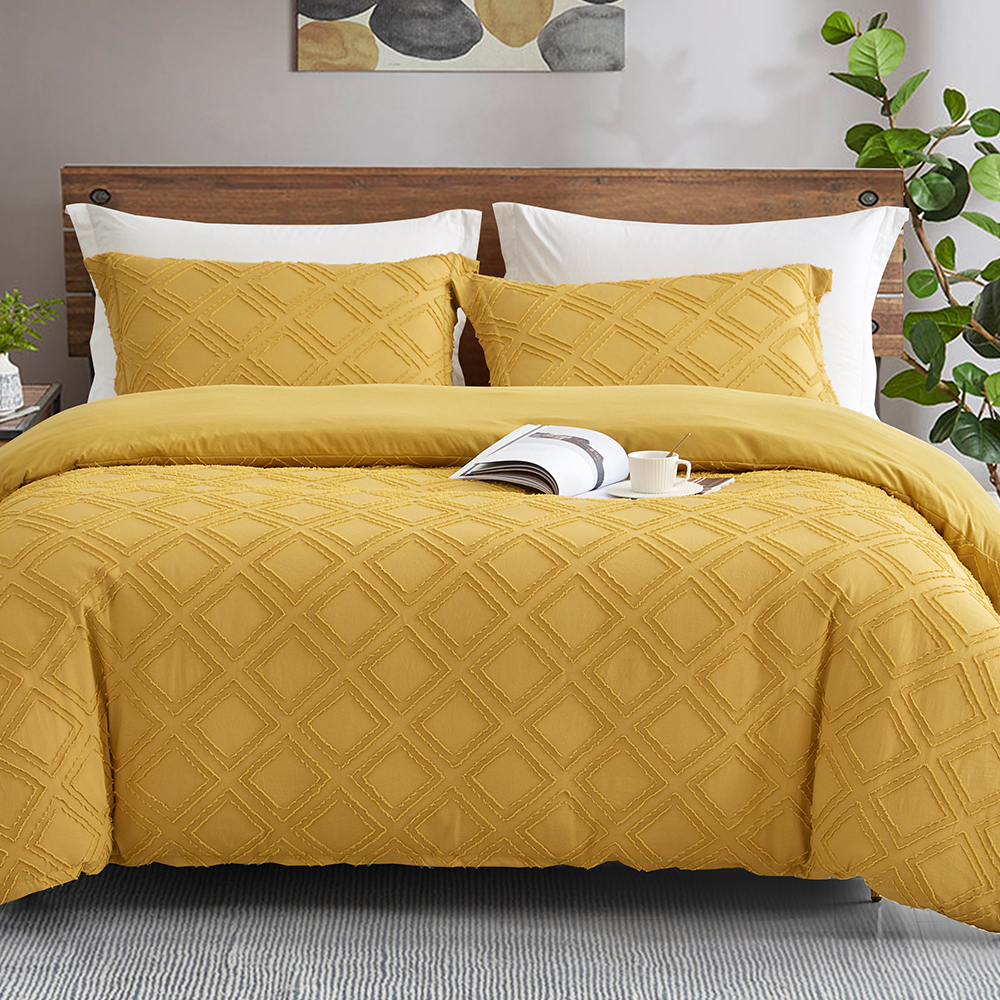
The mechanical test data shows a clear performance difference between woven textured structures and simple printed fabrics. Printed plain slipcovers serve as a low-cost, short-term choice for rarely used furniture, but they fail rapidly under heavy daily usage. The flat surface inks wash off over time, and the smooth backing material tends to slip and bunch whenever a user sits down. Woven jacquard designs solve these sliding issues by using a raised, three-dimensional surface texture (such as a checkerboard, waffle, or damask pattern) to naturally increase friction, locking the protector firmly against the base upholstery.
Advanced Perimeter Retention and Anti-Slip Foam Anchor Systems
Modern form-fitting slipcovers rely on heavy-duty elastic edges and specialized mechanical anchors to keep the textile locked tightly inside deep cushion seams.
- 360-Degree Overlocked Elastic Hem Tapes: To prevent the cover from creeping up the wooden legs of a couch, the bottom hem is lined with a thick, high-tension elastic band secured by multi-thread overlock stitching. This band grips the base frame of the sofa tightly, hiding the bottom edges from view.
- High-Density Polyurethane Foam Tucker Bars: Every set includes several high-density foam cylinders or wedge bars. When the fabric is tucked deep into the rear and side arm crevices, these bars are pushed down over the excess material, wedging it tightly inside the frame to prevent the cover from popping out when a user stands up.
- Under-Seat Structural Fastening Ties: For extra security on slippery leather furniture, heavy-duty fabric loops are sewn directly into the corner points of the cover, letting users tie the bottom panels securely beneath the sofa chassis.
Step-by-Step Dimensional Measurement and Installation Sequence
Because forcing a small cover onto a large frame can overstretch the spandex threads and pop seams, setup crews use a precise positioning process.
- Outer Arm-to-Arm Metrology Check: Measure the maximum exterior width of the sofa from the outside edge of one arm to the outside edge of the other (e.g., matching a 180cm to 230cm range to a standard 3-seater template) to ensure a correct fit.
- Locating the Orientation Back Stamps: Unpack the cover and find the internal red or white labels marked "Back," orienting these tags over the rear backrest corners of the furniture.
- Draping and Front Hem Alignment: Pull the fabric down evenly over the backrest, stretch it forward across the armrests, and snap the elastic hem down over the front lower base board.
- Deep Seat Crevice Tucking: Push all excess fabric deep into the cracks between the armrests, backrest, and seat cushions, smoothing out any surface wrinkles as you work toward the edges.
- Locking the Foam Anchors and Testing: Push the foam tucker bars horizontally into the tight cushion seams to lock the tucked fabric down. Sit on the center cushions several times to verify that the fabric stays firmly in place without slipping.
Mitigating Spandex Heat Degradation and Managing Liquid Bleed Through
While professional jacquard slipcovers are built for excellent durability, exposing them to high wash temperatures or leaving spilled liquids unattended can damage the fabric fibers.
Preventing Thermal Spandex Melt and Elastic Sag
Thermal elastic degradation occurs when stretch slipcovers are laundered in scalding water or dried on high heat settings. Excessive heat melts the ultra-thin polyurethane spandex chains inside the yarns, causing them to crack and lose their elastic memory. Once damaged, the cover will stretch out permanently, leaving ugly, sagging folds along the armrests. Users can preserve the elasticity by washing the covers in cool water below 30°C and always air-drying or using a no-heat tumble setting.
Managing Capillary Liquid Bleed Through
Capillary liquid bleed happens because woven jacquard fabric is naturally breathable, containing tiny paths between the interlocked threads. While the thick 300 GSM weave slows down fluid movement, spilled juices, pet urine, or coffee can eventually seep through the fabric gaps and stain the underlying sofa cushions if left unattended. Maintenance teams can easily manage this exposure by treating the fabric with temporary hydrophobic sprays or immediately blabbing spills with clean microfiber towels before capillary pressure can force the moisture down into the furniture.
 previous post