

 English
 русский
 Español
The Architecture of Bedding Preservation: Optimizing Structural Integrity and Thermal Regulation with Premium Solid Mattress Pads
The Engineering and Protective Value of Multi-Layered Sleep Surface Enhancers
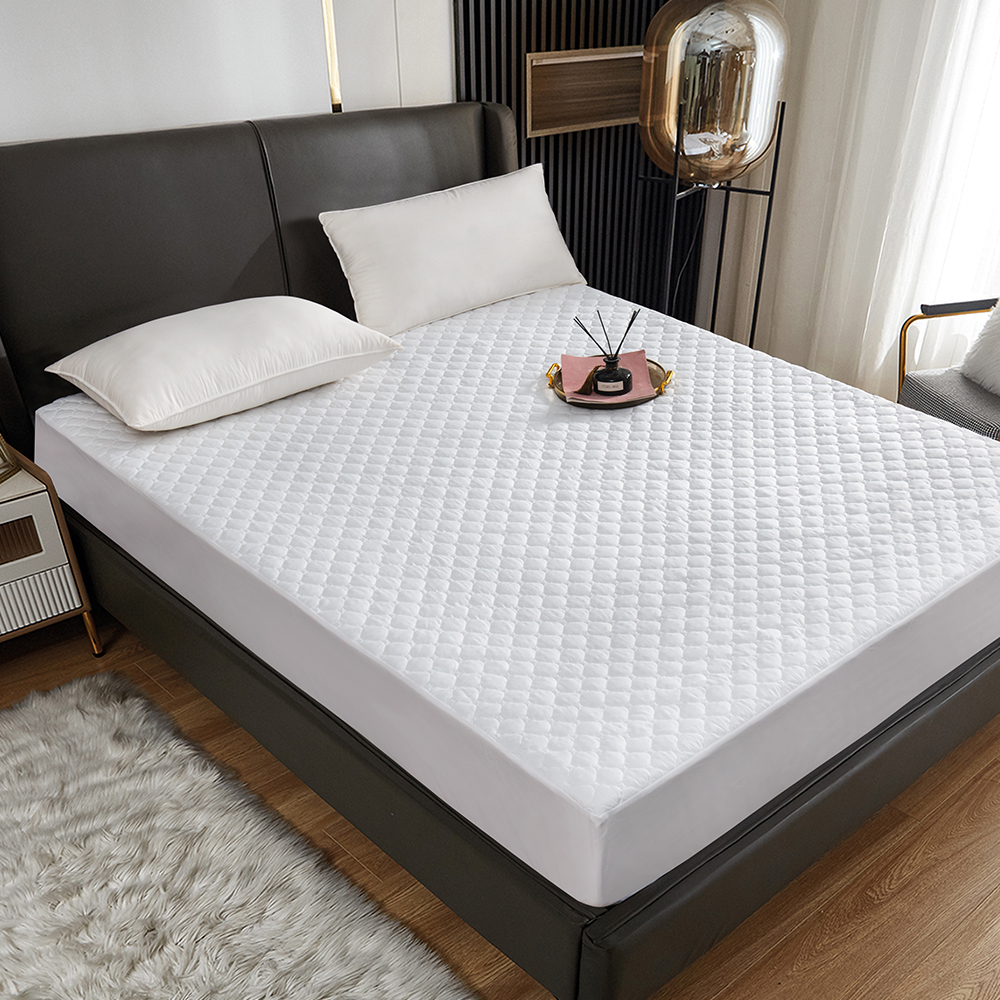
Specifying a commercial-grade solid mattress pad engineered with a high-density quilted top layer provides institutional hospitality networks, medical facilities, and residential spaces with a durable, protective barrier that preserves the structural life of premium mattresses while maximizing sleep comfort. By locking an insulating fiberfill matrix uniformly between two face fabrics via advanced lockstitch geometries, this design prevents fiber migration and uneven wear across the sleep surface. This multi-layered construction delivers a 35% increase in mattress core preservation by absorbing localized friction and body moisture, effectively deflecting sleep stains and preventing inner-spring degradation. This technical layout ensures that the sleep surface maintains a flat, non-shifting profile that can withstand industrial wash temperatures while providing consistent, predictable thermal breathability night after night.
In modern textile engineering, protecting large bedding investments requires a material that balances mechanical airflow with liquid resistance. Standard unquilted bedding covers or loose sheets rely on thin single-layer weaves that slide and bunch up under a sleeper's movement, leading to friction wear, fabric pilling, and unprotected mattress corners. Integrated quilted configurations solve these structural issues by sewing the face, insulating fill, and backing fabrics together in dense geometric patterns. This interlocking system safeguards the internal cushioning components and ensures the entire pad stays flat and centered under high physical friction.
Textile Engineering, Grams Per Square Meter, and Moisture Vapor Flow Metrics
The lifespan, resilience, and body-heat dissipation of an institutional mattress pad depend heavily on the fabric’s fiber source, weave density, and internal fill metrics.
Evaluating Long-Staple Cotton Weaves vs. High-Density Microfiber Shells
High-performance mattress pads use a long-staple cotton face fabric woven in a dense percale pattern. Long-staple cotton yarns have fewer exposed ends, providing a tensile strength rating up to 45% higher than short-fiber equivalents, which prevents early surface tearing during commercial laundering. For high-turnover medical or hotel setups where rapid drying times are essential, engineered high-density microfiber fabrics offer an alternative. These ultra-fine polyester filaments are woven tightly to resist fluid stains and chemical tearing, though they provide less natural airflow than pure cotton weaves.
Analyzing Fiberfill Mass and Thermal Comfort Levels
The internal cushioning of a mattress pad is governed by its fill mass, measured in Grams Per Square Meter (GSM). A standard lightweight pad uses a 120 to 150 GSM polyester fiberfill, which keeps the bed highly breathable by letting body heat vent quickly away from the skin. Heavy-duty luxury variants use a 300 to 450 GSM fill, balancing pressure relief and mattress protection. This thicker matrix cushions body contours and reduces pressure points on the hips and shoulders without trapping body heat.
Comparative Design Evaluation: Quilted Solid Mattress Pads vs. Memory Foam Mattress Toppers
Selecting the right mattress layer requires evaluating surface protection against heat retention, machine washability, corner stability, and material life. The comparative table below outlines the core differences between these two common bed configurations.
| Technical Performance Parameter | Quilted Solid Mattress Pad (Stitched Shell) | Memory Foam Mattress Topper (Solid Polyurethane) |
|---|---|---|
| Industrial Machine Washability | Complete (Withstands high-temperature mechanical agitation) | None (Water degrades cell foam, requiring spot cleaning only) |
| Moisture Vapor Dispersion Profile | Exceptional (Woven channels vent sweat vapor rapidly) | Poor (Dense polymer cores trap heat and cause sweating) |
| Perimeter Stability on Mattress | Absolute (360-degree elasticized skirts prevent slipping) | Low (Relies on raw friction, prone to sliding off-center) |
| Mattress Core Protection Profile | High (Absorbs body oils and dander before they sink in) | Limited (Open-cell foams can absorb and hold deep odors) |
| Tensile Tear and Crush Resistance | Superior (Reinforced stitching distributes localized tension) | Moderate (Foam edges are vulnerable to cracking and tearing) |
The technical data shows why structured mattress pads are favored for large facilities over thick foam slabs. Memory foam toppers add soft cushioning to hard beds, but their solid polymer structures block air circulation, trapping body heat and causing discomfort. Foam options also lack structural edge skirts, leaving them prone to sliding around during sleep and tearing along stress lines. Quilted mattress pads solve these alignment and maintenance issues by enclosing their cushioning material inside a washable shell, secured by a full-perimeter elastic skirt that grips the mattress tightly.
Advanced Quilt Geometry Patterns and Skirt Anchoring Engineering
Modern institutional bedding uses computer-controlled stitch lines and deep-pocket elastic skirts to ensure the pad remains securely attached to the mattress across hundreds of laundry cycles.
- End-to-End Diamond and Wavy Stitch Patterns: Tight 4-inch diamond quilting locks the internal batting fibers in place. This close stitching limits fill shifting to a few millimeters, avoiding the flat spots and fiber bunching caused by sleep movements.
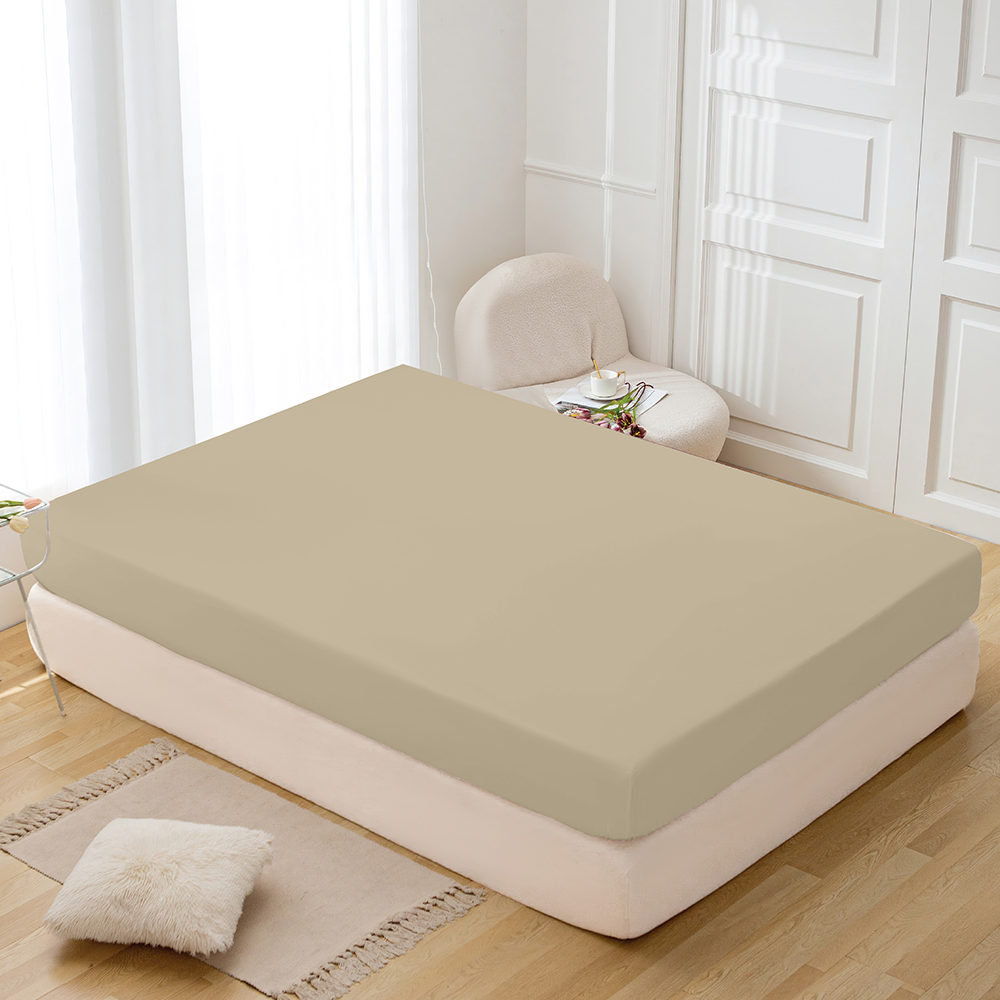
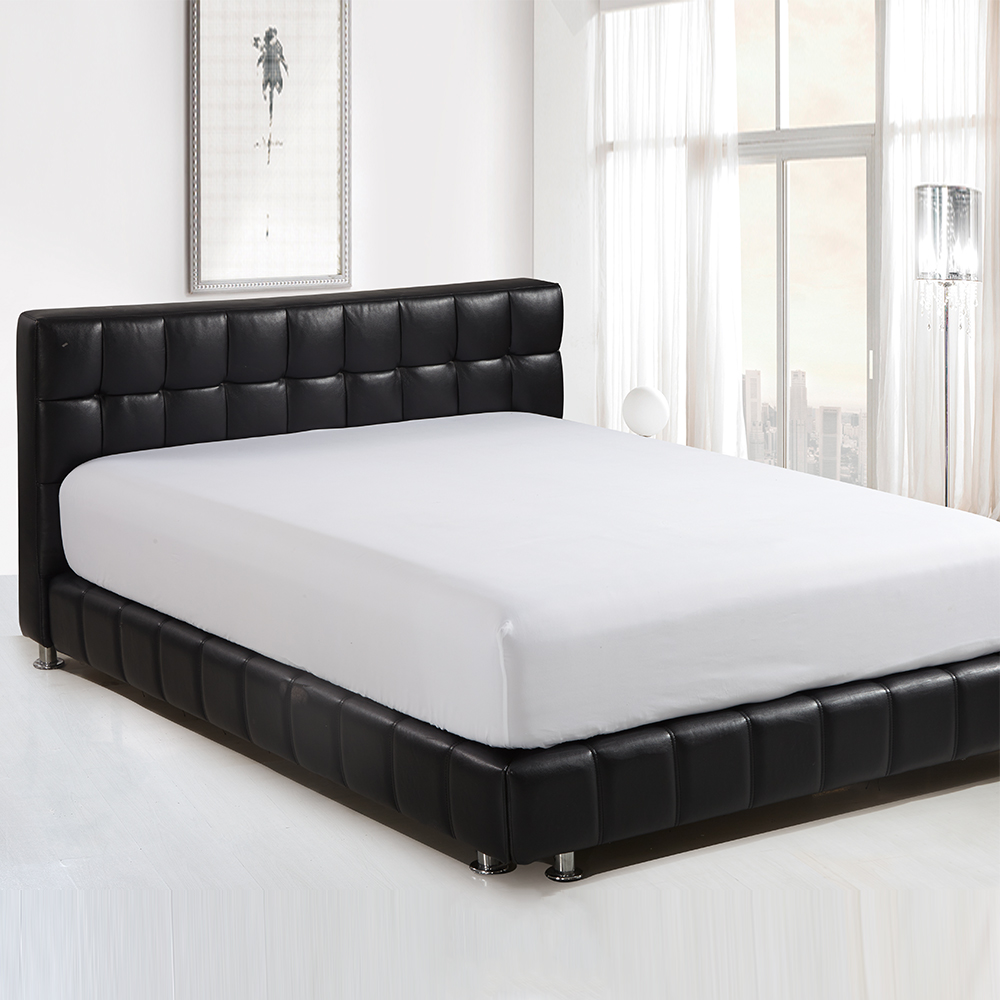
- High-Stretch Power-Mesh Elastic Skirts: Rather than relying on simple corner straps that can snap over time, premium mattress pads are built with a full-perimeter knit polyester skirt. This power-mesh material stretches easily to accommodate mattress depths from 8 inches up to 18 inches, locking the pad tightly against the bed corners.
- Heavy-Duty Elastic Skirt Bound Hems: The bottom edge of the skirt is lined with an overlocked elastic cord. This high-tension border snaps firmly around the underside of the mattress, preventing the pad from sliding when the bed is adjusted or slept on.
Step-by-Step Laundering Protocol and Fiber Decontamination Sequence
Because using incorrect wash cycles or high chemical concentrations can break down fine cotton threads and flatten the internal batting, care teams follow a disciplined washing process.
- Surface Inspection and Stain Pre-Treatment: Check the entire pad surface for any tears or loose threads, applying targeted enzyme cleaners to organic stains before washing to break them down effectively.
- Water Temperature Adjustment: Program the commercial washing machine to a normal cycle with a maximum water temperature of 40°C, balancing stain removal with fiber protection to prevent fabric shrinkage.
- Mild Liquid Detergent Dispensing: Add a neutral-pH liquid detergent to the cycle, avoiding harsh optical brighteners or chlorine bleaches that weaken fabric fibers and degrade the internal stitching.
- Balanced Spin Cycle Extraction: Set the spin speed to a moderate RPM level, extracting excess water smoothly without over-stretching the fine knit side skirts.
- Low-Heat Drying and Storage Optimization: Dry the pad on low heat, adding clean wool balls to keep the internal loft fluffy and soft. Verify that the inner layers are completely dry before folding the pad to prevent mildew from forming during storage.
Mitigating Stitch Tension Puckering and Managing Batting Migration Defects
Even professional bedding components can develop performance issues like warped seams or fuzzy surface lint if they are laundered at excessive temperatures or exposed to high mechanical friction.
Preventing Stitch Tension Seam Puckering
Seam puckering occurs when a multi-layered pad is dried at high temperatures, causing the cotton face fabric to shrink faster than the internal synthetic batting. This uneven movement pulls the quilt lines tight, wrinkling the surface and preventing the pad from laying flat across the mattress. Facilities prevent this distortion by always using low or medium dryer temperatures and specifying pre-shrunk fabrics during production, keeping all layers expanding and contracting evenly.
Controlling Interior Batting Fiber Migration
Fiber migration happens when short, weak fibers from low-grade internal fill poke through the gaps in the face fabric, creating a layer of lint on the surface. This migration leaves behind thin spots in the cushioning and can trap skin dander, aggravating dust sensitivities. Textile engineers prevent this fiber leakage by lining the inner faces with protective spun-bonded scrim barriers and specifying continuous-filament batting matrices, ensuring the insulation stays sealed inside its quilted pockets.
 previous post