

 English
 русский
 Español
Are bed sheet sets prone to getting stuffy or how effective are they at wicking away moisture?
Understanding the Relationship Between Bed Sheet Sets and Sleeping Comfort
Bed sheet sets play an important role in shaping the overall sleep experience. They are in direct contact with the skin for extended periods, influencing how heat and moisture are managed throughout the night. Questions about whether bed sheet sets become stuffy or how effectively they wick away moisture often arise because discomfort during sleep is frequently linked to trapped heat or dampness. Exploring how sheets interact with the body and environment helps clarify these concerns.
What Causes a Stuffy Feeling During Sleep
A stuffy feeling while sleeping is usually associated with limited airflow and moisture accumulation near the skin. During sleep, the body naturally releases heat and perspiration as part of temperature regulation. If bed sheet sets do not allow this heat and moisture to dissipate, the microclimate between the body and the fabric can feel warm and humid. This sensation is often interpreted as stuffiness rather than an issue related to room temperature alone.
Moisture Release From the Human Body at Night
Even in cooler environments, the human body continues to release moisture through perspiration and respiration. This moisture does not always appear as visible sweat but can still accumulate within bedding materials. Bed sheet sets that manage this moisture effectively help maintain a drier sleep surface. Those that do not may feel clammy, contributing to interrupted sleep or frequent repositioning during the night.
The Concept of Moisture Wicking in Bedding Fabrics
Moisture wicking refers to a fabric’s ability to draw moisture away from the skin and spread it across a larger surface area, where it can evaporate more easily. In the context of bed sheet sets, wicking does not function exactly as it does in athletic clothing, but similar principles apply. Fabrics that can absorb and release moisture gradually tend to feel more balanced during extended periods of contact.
Natural Fibers and Breathability
Natural fibers such as cotton, linen, and bamboo-derived viscose are often discussed in relation to breathability. These fibers typically have structures that allow air to pass through the fabric more freely. This airflow supports moisture evaporation and reduces the likelihood of a stuffy sensation. However, the effectiveness of moisture handling can vary depending on weave density and finishing processes.
Cotton Bed Sheet Sets and Moisture Management
Cotton bed sheet sets are widely used due to their soft feel and adaptability to different climates. Cotton fibers can absorb moisture relatively well, which helps reduce dampness near the skin. At the same time, cotton releases moisture gradually into the surrounding air. This balance can contribute to a comfortable sleep environment, although very dense cotton weaves may limit airflow compared to lighter constructions.
Linen Sheets and Air Circulation
Linen bed sheet sets are made from flax fibers, which tend to have a looser structure than many cotton weaves. This structure allows for increased air circulation, which can help heat and moisture move away from the body. Linen’s ability to absorb moisture without feeling wet is often cited as a reason it feels less stuffy, particularly in warmer or more humid conditions.
Bamboo-Based Fabrics and Their Properties
Bamboo-based bed sheet sets are often produced using regenerated cellulose fibers. These fibers can feel smooth and may offer a cooling sensation upon initial contact. In terms of moisture management, bamboo-derived fabrics can absorb moisture efficiently and release it steadily. The overall experience depends on fabric quality and how tightly the fibers are woven together.
Synthetic Fibers and Heat Retention
Synthetic materials such as polyester are sometimes blended into bed sheet sets for durability or cost considerations. These fibers generally absorb less moisture than natural fibers. Instead of drawing moisture away from the skin, they may trap it near the surface. This characteristic can increase the likelihood of a stuffy feeling, especially for sleepers who perspire more during the night.
Weave Structure and Its Impact on Airflow
The weave of a fabric plays a critical role in determining how bed sheet sets feel during sleep. Percale weaves, which are typically crisp and lightweight, tend to allow more airflow between threads. Sateen weaves, while smooth and soft, are denser and may reduce ventilation. These structural differences influence how effectively heat and moisture are dispersed.
Thread Count and Misconceptions
Thread count is often used as a marketing point, but it does not directly determine moisture-wicking performance. Higher thread counts usually result in denser fabrics, which can feel warmer and less breathable. Lower or moderate thread counts with quality fibers may support better airflow and moisture regulation, reducing the sensation of stuffiness.
Comparison of Common Bed Sheet Materials
| Material | Moisture Absorption | Airflow | Stuffy Sensation Risk |
| Cotton | Moderate to high | Varies by weave | Low to moderate |
| Linen | High | High | Low |
| Bamboo-based | High | Moderate | Low to moderate |
| Polyester | Low | Low | Higher |
Climate and Environmental Influence
The surrounding environment strongly affects whether bed sheet sets feel stuffy. In humid climates, moisture evaporation occurs more slowly, which can make even breathable fabrics feel warmer. In dry climates, the same sheets may perform differently. Room ventilation, seasonal changes, and bedding layers all interact with sheet materials to influence comfort.
Sleeping Habits and Individual Differences
Individual sleep patterns and physiology also affect perceptions of stuffiness. Some people naturally generate more body heat or perspire more during sleep. For these individuals, moisture-wicking performance becomes more noticeable. Others may feel comfortable with a wider range of fabrics due to lower nighttime heat output.
The Role of Mattress and Mattress Protectors
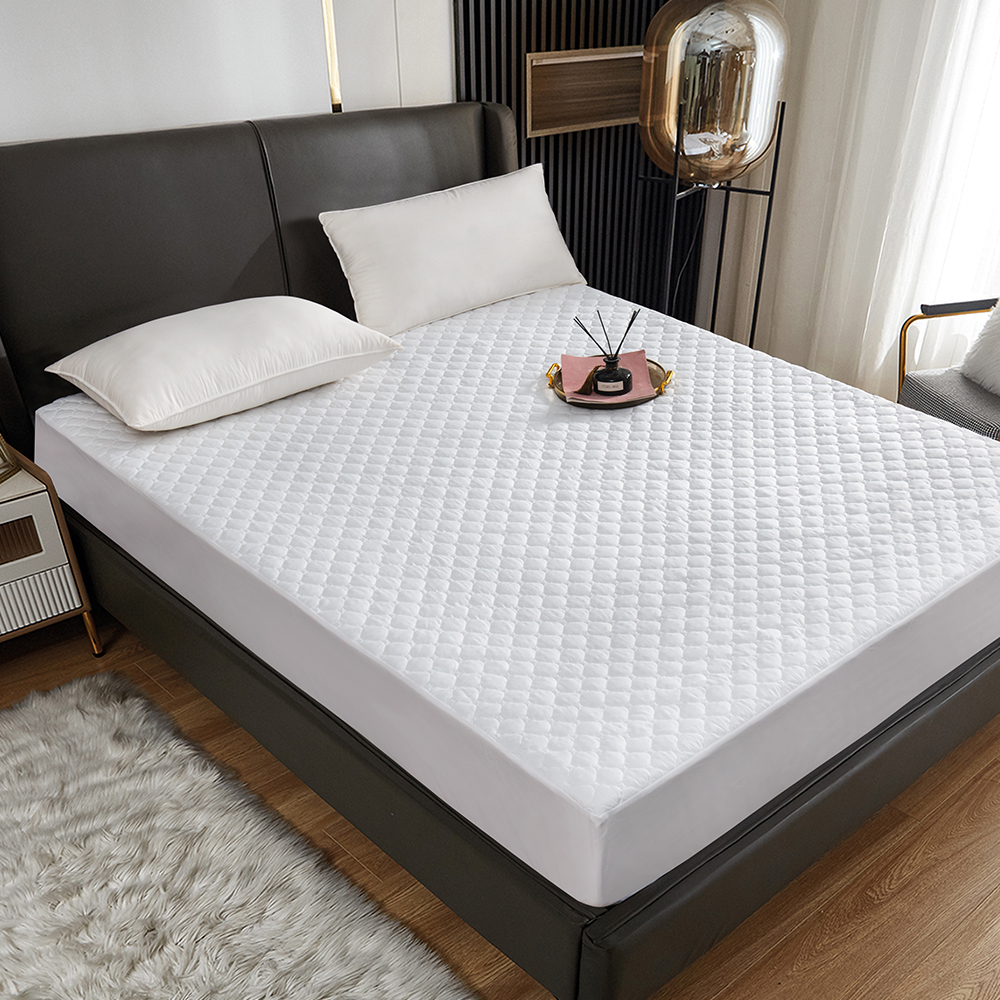
Bed sheet sets do not function in isolation. The mattress and any protective layers underneath can influence moisture buildup. Non-breathable mattress protectors may trap heat and moisture, reducing the effectiveness of moisture-wicking sheets. When airflow from below is limited, even breathable sheets may feel warmer.
Layering and Seasonal Sheet Choices
Using different bed sheet sets for different seasons is a common approach to managing comfort. Lighter fabrics with open weaves are often preferred in warmer months, while denser sheets may feel more comfortable in cooler conditions. Seasonal rotation allows sleepers to match moisture management properties with environmental needs.
Care Practices and Fabric Performance
How bed sheet sets are washed and maintained can affect their ability to manage moisture. Residue from fabric softeners or detergents may coat fibers, reducing absorbency and airflow. Regular washing with appropriate products helps preserve the natural properties of the fabric and supports consistent performance over time.
Perceived Cooling Versus Actual Moisture Control
Some bed sheet sets feel cool to the touch initially but may not manage moisture effectively throughout the night. This initial sensation is often related to surface texture or thermal conductivity rather than long-term breathability. True moisture control becomes apparent after several hours of sleep, when heat and perspiration have accumulated.
Long-Term Use and Fabric Changes
Over time, repeated washing and use can alter the structure of bed sheet sets. Natural fibers may soften and become more flexible, which can improve comfort but sometimes reduce airflow if fibers compress. Monitoring how sheets feel after extended use can help determine when replacement or rotation is needed.
Balancing Softness and Breathability
Softness is often prioritized when choosing bed sheet sets, but it does not always align with breathability. Very smooth, tightly woven fabrics may feel pleasant initially yet restrict airflow. Balancing tactile comfort with moisture management involves considering both fiber type and weave rather than focusing on one characteristic alone.
Comparing Moisture Handling Across Weaves
| Weave Type | Fabric Density | Airflow Level | Moisture Dissipation |
| Percale | Lower | Higher | More efficient |
| Sateen | Higher | Lower | Slower |
| Twill | Moderate | Moderate | Balanced |
User Expectations and Comfort Perception
Expectations can influence how bed sheet sets are perceived. If a sleeper anticipates a cooling or moisture-wicking effect, they may be more attuned to sensations of warmth or dampness. Understanding the realistic capabilities of different materials helps align expectations with actual performance, leading to a more satisfying sleep experience.
Overall Interaction Between Sheets and Sleep Environment
Whether bed sheet sets feel stuffy or effectively wick away moisture depends on a combination of factors rather than a single feature. Fabric choice, weave structure, climate, and personal sleep habits all interact to shape comfort. Recognizing this interaction allows sleepers to make informed choices based on their specific needs and surroundings.
 previous post