

 English
 русский
 Español
Bedding for Night Sweats: Key Factors, Fabric Choices, and Buying Tips
Waking up drenched in sweat is not just uncomfortable; it disrupts deep sleep, leaves you tired, and can gradually damage your mattress. Night sweats happen when your body's cooling system works overtime, often because the bedding around you traps heat and moisture instead of releasing them. The direct solution is not to sleep on a towel or turn the thermostat down further, but to rebuild the sleeping environment with the right layers.
In our experience as a home textile factory, a complete bedding system for night sweats should do three things: wick moisture away from your skin, allow heat to escape, and protect the mattress from perspiration damage. The best approach is to focus on the sheet, the comforter, and the mattress pad together rather than on a single product.
Why Night Sweats Happen and Why Bedding Matters
Night sweats are a common complaint. They can be triggered by hormonal changes, stress, certain medications, or simply a warm sleep environment. During sleep, your core temperature naturally drops, and your body releases heat through the skin. When the room is warm or the bedding is not breathable, sweat cannot evaporate quickly, so your body keeps producing it to cool down. The result is a wet pillow, damp sheets, and restless tossing.
Bedding plays a decisive role here. Heavy, airtight materials slow the exchange of heat and moisture. Lightweight, breathable materials help your skin stay dry. But there is also a second layer to consider: the protective base. Sweat that soaks through the sheet reaches the mattress, creating a breeding ground for dust mites, odors, and stains. That is why the right system matters.
Sleep researchers generally agree that a slightly cooler bedroom, around 18-22°C, supports better rest. Yet even in a cool room, poor bedding can create a damp microclimate directly next to your skin. Once the fabric becomes wet, evaporation stops, and you start feeling both hot and cold at the same time. Replacing that fabric with a fast-drying layer helps your body return to a comfortable state more quickly.
Key Characteristics of Effective Night-Sweat Bedding
When you evaluate bedding for night sweats, look for five qualities: breathability, moisture management, weight, ease of care, and durability. Breathability refers to how well air passes through the fabric. Moisture management describes how quickly the fabric absorbs sweat and lets it evaporate. Weight affects how much insulation you feel. Easy care matters because you will wash these items often. Durability ensures the fabric holds up after dozens of washes.
Different materials serve these needs differently. The table below summarizes how common bedding materials perform.
| Material | Breathability | Moisture Management | Care | Durability |
|---|---|---|---|---|
| Cotton percale | Good | Moderate | Easy | High |
| Linen | Excellent | Good | Easy | High |
| Bamboo | Good | Good | Moderate | Medium |
| Lightweight polyester | Good | Excellent (fast-drying) | Very easy | High |
Lightweight polyester is often underestimated. When woven with a fine, open structure and made in a low gram weight, it can feel smooth, dry quickly, and maintain its shape after washing. At our factory, we have produced polyester bedding in 75, 90, and 100 grams per square meter for years, and these light weights are especially suitable for people who tend to sweat at night.
The weave also influences comfort. A plain weave is firmer and slightly more breathable because of its balanced construction. A twill weave is softer and drapes well, while a satin weave feels silky but may trap a little more heat. For night sweats, a plain or twill weave in a lighter weight is usually the safer choice.
Layer 1: The Sheet Set – Your First Line of Moisture Control
A good sheet set is the first barrier between your skin and the rest of the bed. It should feel smooth and cool to the touch, but also allow sweat to pass through rather than pool against you. For night sweats, choose a set with a breathable weave and a light to medium weight. A 75 gsm or 90 gsm polyester plain weave sheet offers that combination: thin enough to dry quickly, yet tightly woven to remain durable and soft.
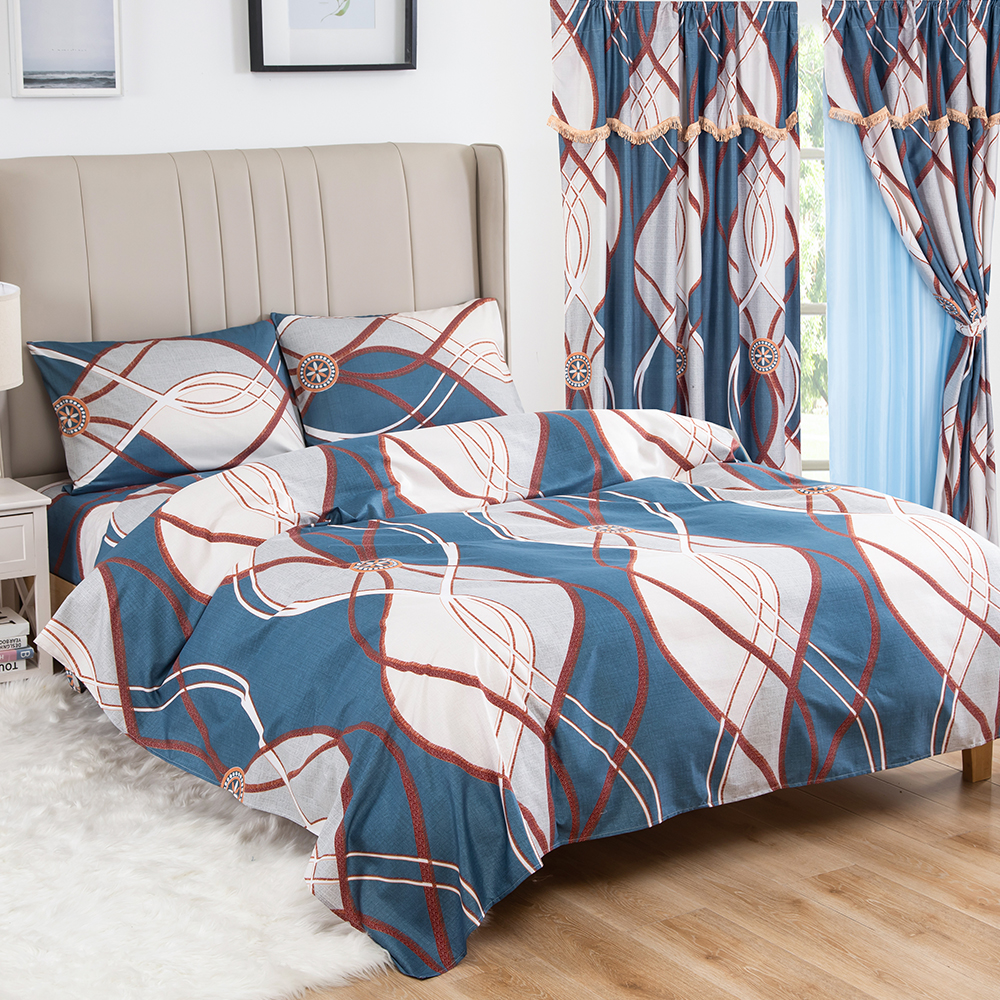
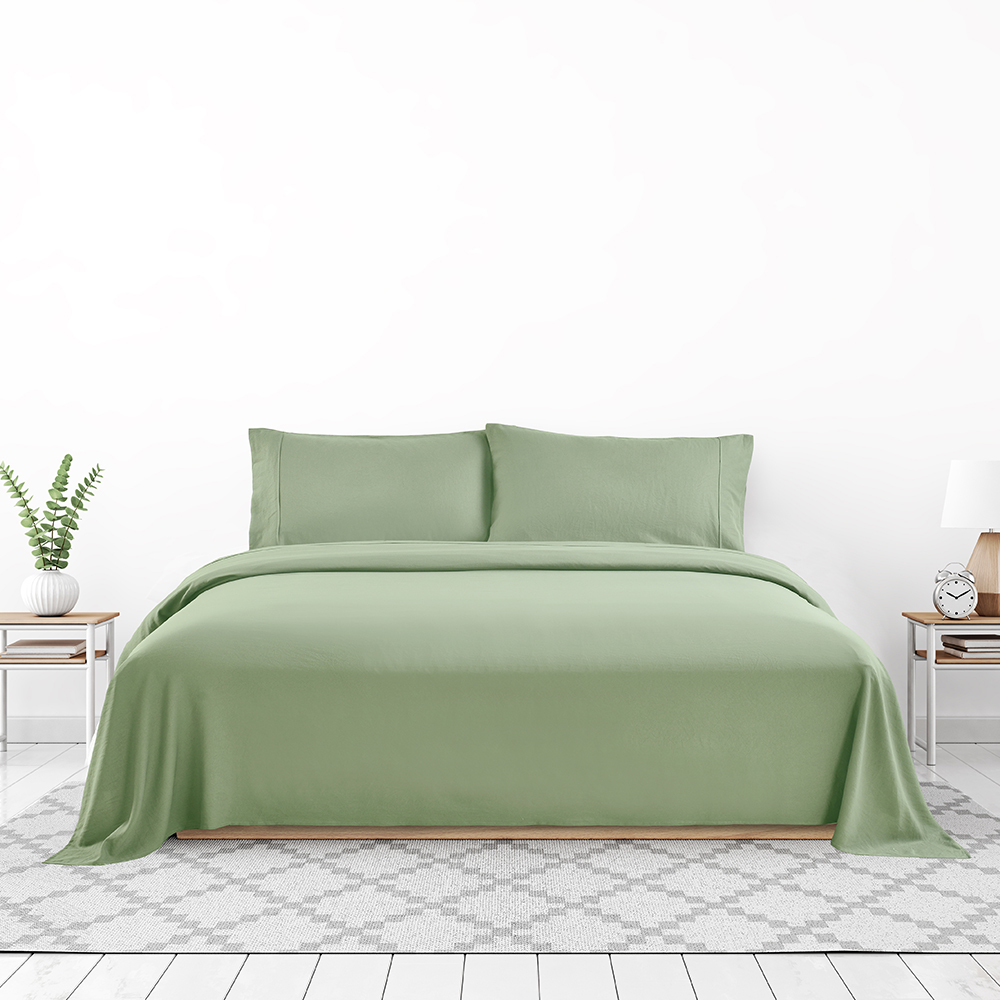 Lightweight Polyester Plain Weave Sheet Set in 75/90/100 gsmThis four-piece sheet set uses a breathable plain weave in fine polyester, offering quick drying and a smooth, cool touch that suits night-sweat sufferers.View Product →
Some sheet sets are advertised as high thread count, but for night sweats, the fiber type and the weave structure matter more than thread count alone. A breathable low-weight sheet made from fine polyester filaments can be more comfortable than a heavy cotton sheet that stays damp for hours. Look for a set that feels light in hand and has a smooth, even surface.
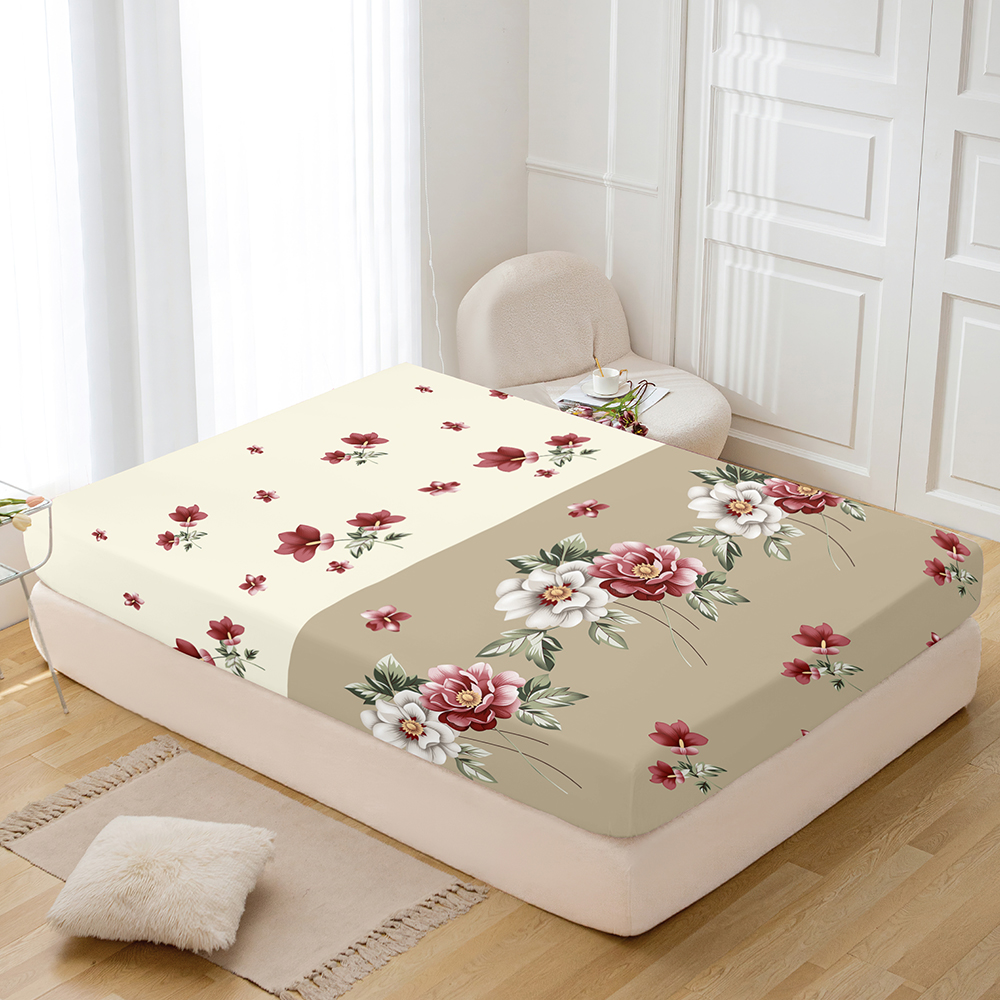
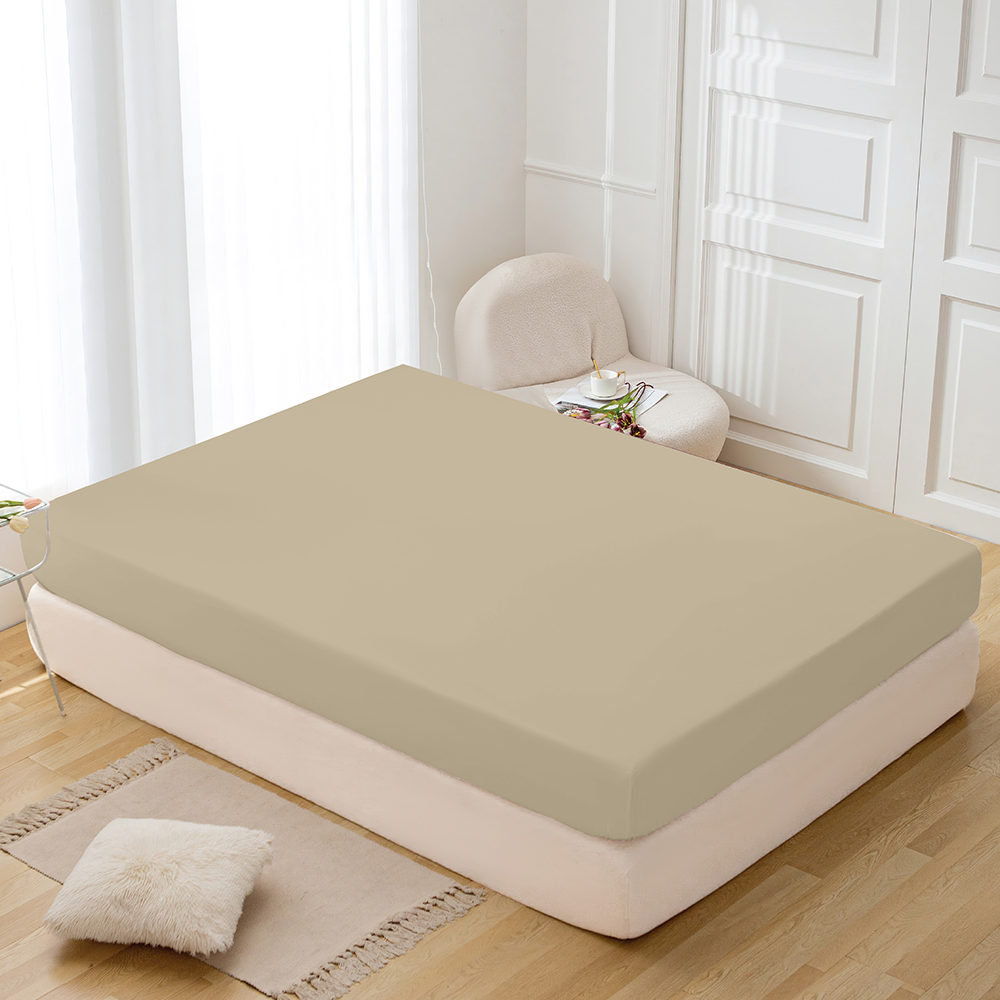
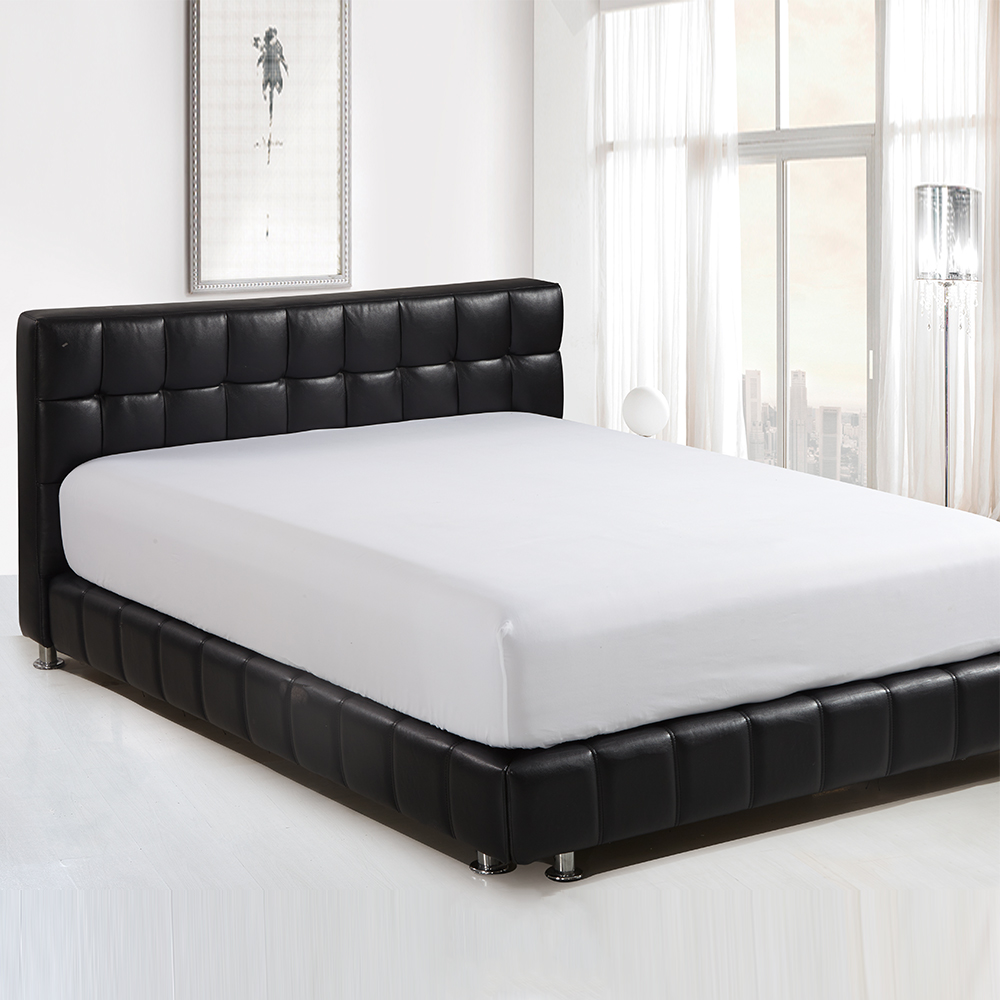
Another consideration is the fitted sheet in the set. It should have a deep enough pocket to fit your mattress without riding up during the night. A snug fit keeps the sheet flat against your skin and prevents wrinkles that can trap perspiration. Our 4-piece solid sheet set includes a fitted sheet, a flat sheet, and two pillowcases, which covers the basics for one bed.
Layer 2: The Comforter – Managing Heat Without Weight
The comforter controls how warm you feel during the night. Too much insulation and you will overheat; too little and you may wake up cold once the sweating stops. A reversible comforter is a practical choice for night-sweat sufferers because it lets you adjust under one blanket instead of replacing it. One side can provide a little more warmth for cooler nights, while the other offers a lighter layer for balance.
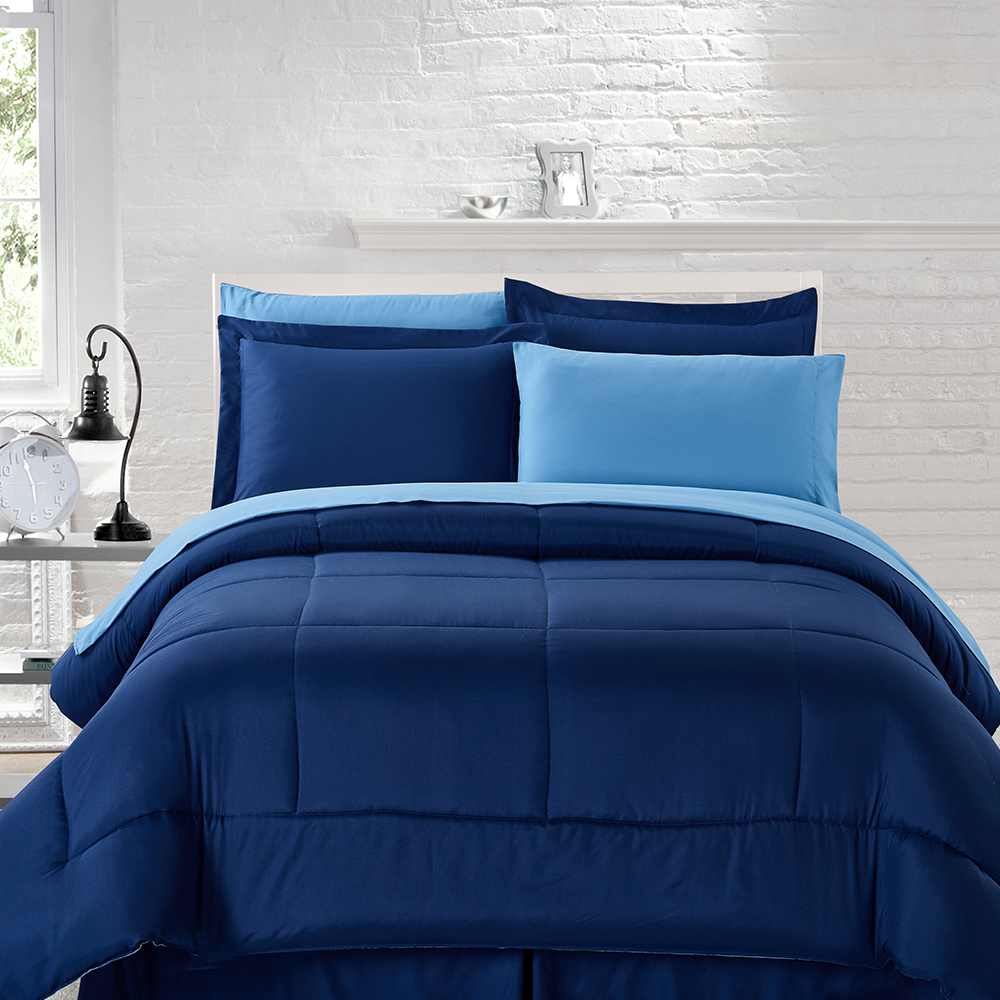
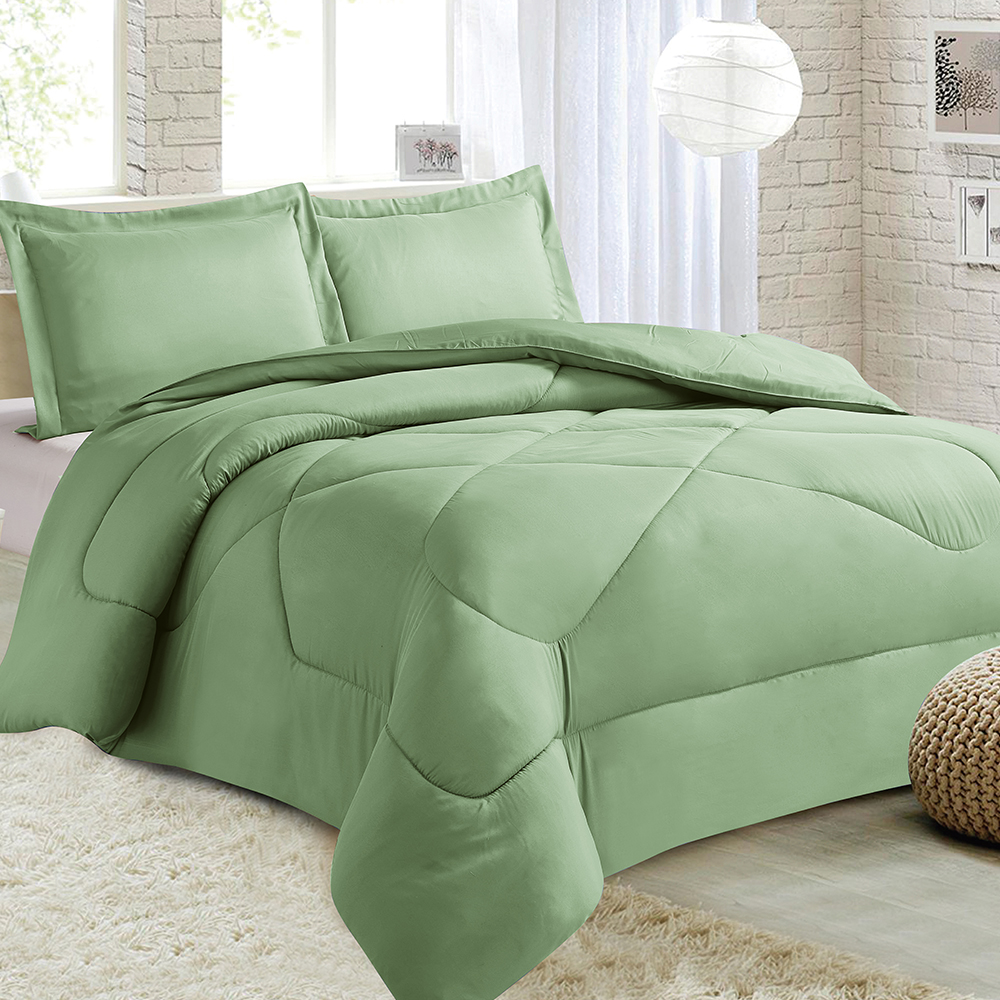
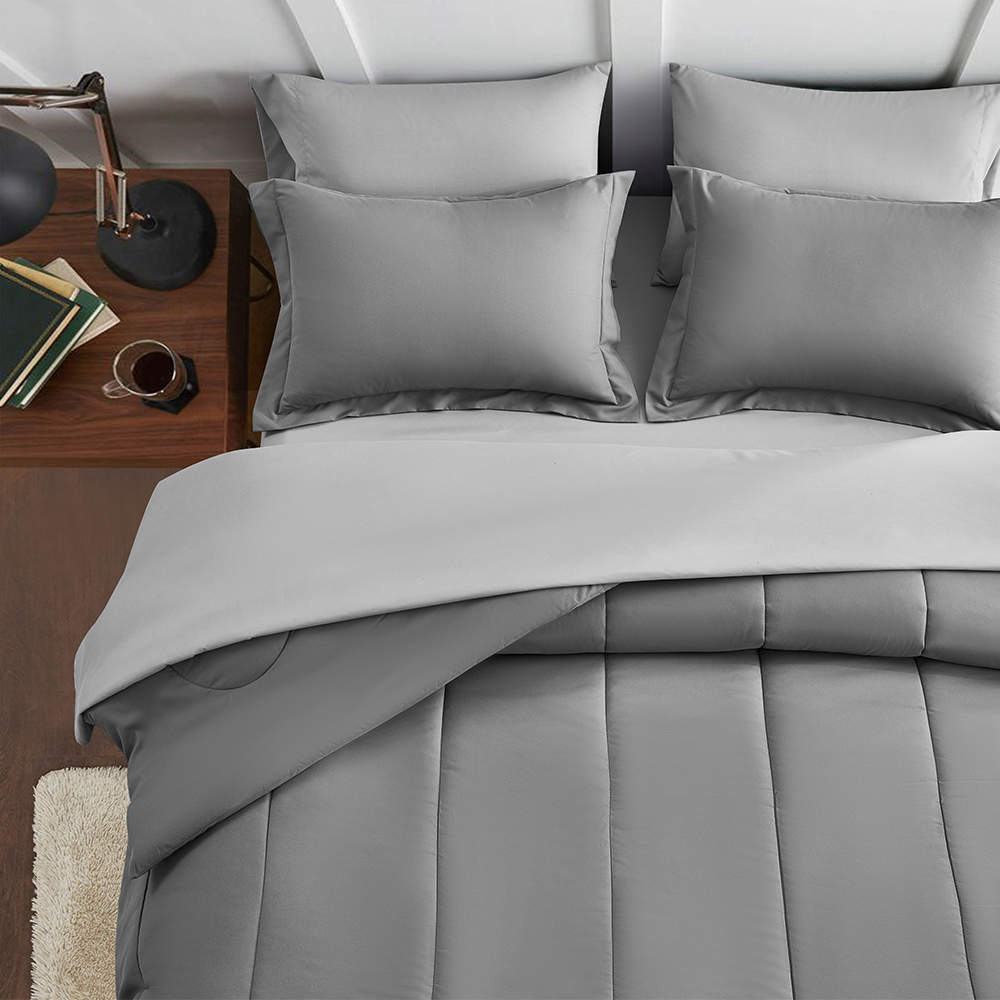 Reversible Solid Color Polyester Comforter Set with Seven PiecesA reversible comforter set with evenly distributed fill and breathable polyester outer fabric lets you flip for varied warmth, avoiding overheating or cold chills.View Product →
Our factory has produced solid-color reversible comforter sets in which the fill is evenly distributed and the outer fabric is the same breathing lightweight polyester as our sheets. The result is a blanket that does not cling to your skin and can be flipped according to your comfort level. Quilting, not just the cover, also prevents the fill from shifting, so the insulation stays consistent instead of bunching up and creating hot spots.
When testing a comforter for night sweats, hold it up to a light source. If you see a dense, opaque batting, the comforter is probably too heavy for you. A thin but even layer of synthetic fill is often enough. You can always add a light cotton blanket on cooler nights, but you cannot remove the weight of an overstuffed comforter without replacing the whole product.
Layer 3: The Mattress Protector – Protecting Your Sleep Surface
Even the best sheet set will not catch every drop of sweat. Over time, perspiration seeps into the mattress, causing yellow stains, unpleasant odors, and material breakdown. A waterproof mattress pad is the final line of defense. But waterproof does not have to mean hot and sweaty. A pad with ultrasonic quilting can block liquids while still allowing air to circulate through the stitch lines.
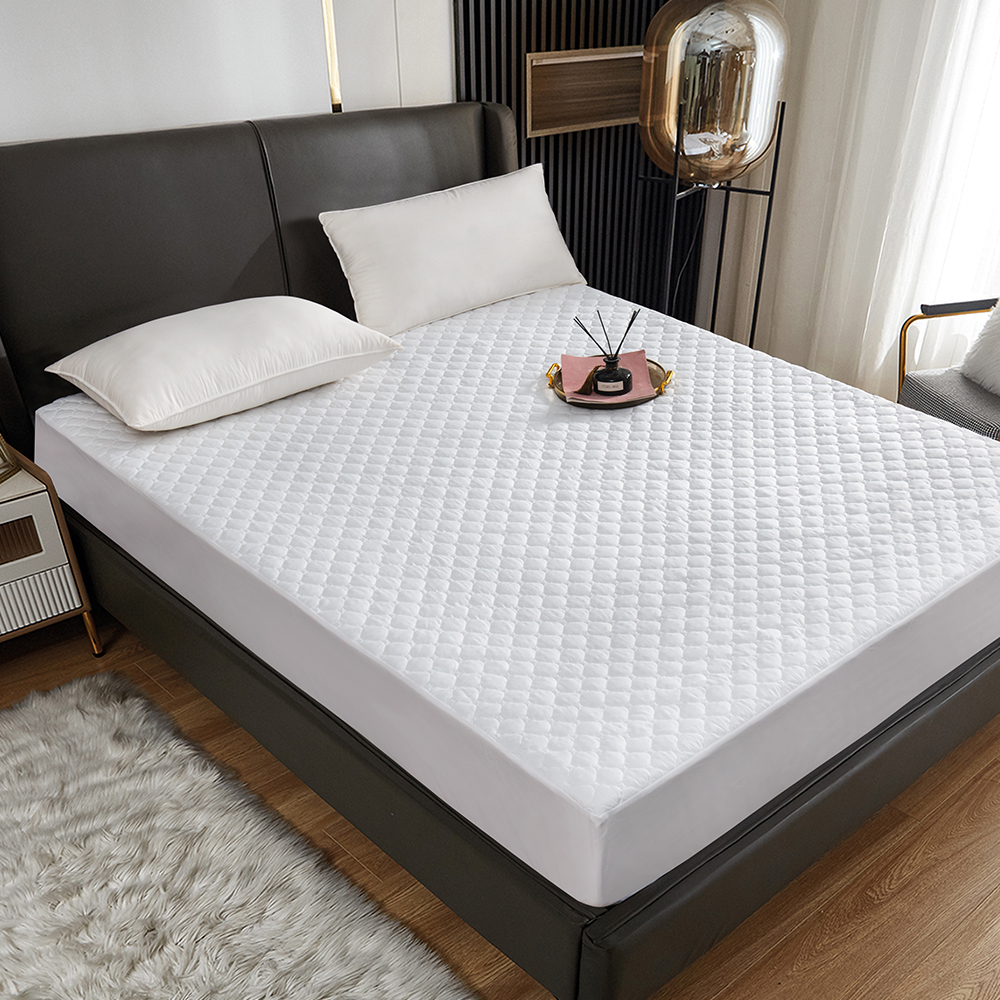 Waterproof Pinsonic Ultrasonic Quilted Mattress PadThis fitted mattress pad uses ultrasonic quilting to block liquids without thread holes, preserving breathability while protecting the mattress from sweat and stains.View Product →
Pinsonic, or ultrasonic quilting, fused layers together without thread or needles. That eliminates needle holes that could leak water through, yet the quilted pattern leaves small air channels that maintain breathability. A fitted sheet protector in this style is simple to pull onto the mattress and wash as needed, giving you the combined benefits of moisture control and mattress preservation.
Some buyers worry that a waterproof layer will feel like plastic. Modern polyester mattress pads are designed with a membrane that is waterproof but not completely airtight. The top surface remains soft to the touch, and the quilted channels allow heat to escape. If you sweat heavily at night, this third layer is not optional; it is the difference between a fresh mattress and one that slowly absorbs years of moisture.
Caring for Your Night-Sweat Bedding
Regular cleaning keeps the moisture-wicking performance of your bedding intact. Sweat residue, body oils, and detergent buildup can clog the fabric and reduce its breathability. Fast-drying polyester, however, is easy to maintain. Washing in warm water with a mild detergent and drying on low heat is usually enough. You should avoid fabric softeners, which leave a coat on synthetic fibers and slow down moisture evaporation.
For detailed instructions, see our guide on how to care for and clean the solid comforter set. The same principles apply to sheets and mattress protectors.
- Wash bedding on a gentle cycle with warm water.
- Use a mild, liquid detergent without bleach.
- Avoid fabric softeners and dryer sheets.
- Shake out the items before drying to restore loft.
- Dry on low heat or air-dry when possible.
You should also wash new bedding before the first use. This removes any residual fibers or dust from the production process and helps the fabric reach its full absorbency. For a set that is used every night, a weekly wash keeps the surface free of sweat buildup. If you sweat very heavily, consider rotating two sheet sets so each one has time to dry completely between uses.
Choosing the Right Bedding for Your Needs
When you calculate how many pieces you need, consider how often you wash bedding and whether you want a complete set. Many night-sweat sufferers prefer a set with extra pillowcases or a fitted sheet that can be changed quickly. Our sheet sets come in 4-piece, 5-piece, and 7-piece configurations, so you can select the option that matches your rotation schedule.
If you are still comparing materials and styles, think about the climate where you live. In warm and humid areas, a lower gram weight is almost always better. In cooler climates, you can use a lighter sheet and still keep the reversible comforter for extra warmth when needed. Our guide on how to choose the perfect bedding for your sleep style can help you weigh these variables in a systematic way.
For wholesale buyers, the same system applies. Because our factory controls the entire production process, we can offer consistent quality, custom sizes, and bulk packaging for sheets, comforters, and mattress pads. And if you are unsure which gram weight or color to choose, sending us your requirements is a good starting point. You can also browse our full range from the factory homepage to see the variety we produce.
Night sweats are a signal that something in your sleep system is working against you. By replacing heavy, moisture-holding bedding with a breathable sheet, an adjustable comforter, and a waterproof mattress pad, you can keep your skin drier and your mattress safer. Start with the layer that touches you directly, then build upward from there.
A more comfortable night does not require a drastic lifestyle change or expensive gadgets. It simply means paying attention to the breathability of each layer. When the fabric next to your skin can wick sweat away and dry quickly, your body can finally do its own job of regulating temperature without being interrupted by dampness.
 previous post