

 English
 русский
 Español
Bed Sheet Types Explained: How Fiber, Weave, and Construction Determine Feel
A bed sheet order looks simple on paper: a fitted sheet, a flat sheet, and two pillowcases. But anyone who has compared suppliers or walked a bedding aisle knows the selection quickly becomes complicated. Bed sheet types are not a single category. They are the result of three variables working together: the fiber, the weave, and the construction and finish. Once you can evaluate those three elements, every sheet you compare, from budget polyester to high-end cotton, becomes easy to judge on the same criteria.
Three Factors Define Every Bed Sheet Type
The practical way to understand any sheet is to look at the decisions made in the factory:
- Fiber: the raw material spun into yarn. It controls softness, durability, moisture handling, and price.
- Weave: the way warp and weft threads are interlaced. It controls hand feel, sheen, drape, and how warm the sheet sleeps.
- Construction and finish: how the fabric is dyed, printed, or textured after weaving, plus how the set is cut and assembled. It determines appearance, colorfastness, and ease of care.
Keep those three levels in mind, and terms like "400-thread-count cotton percale" or "115 GSM disperse-printed polyester" stop being marketing jargon. They become a complete product description.
Fiber Types: Natural and Synthetic Options
Fiber choice is the single biggest driver of how a sheet feels on the skin and how long it lasts. Here are the fibers you will actually meet in bedding.
Cotton
Cotton is the benchmark in bed sheets. It breathes well, absorbs moisture, and softens with each wash. The important detail is staple length: Egyptian and Pima cotton use long-staple fibers that spin into smooth, strong, durable yarns, which is why they cost more. Upland cotton, the most common type, uses shorter fibers; it is comfortable and affordable but slightly less refined in hand feel. For most buyers, a 200-400 thread count cotton percale or sateen covers the comfort range expected from hotel-style bedding.
Polyester
Polyester is the workhorse of the home textile industry. In bedding, it delivers wrinkle resistance, dimensional stability, quick drying, and predictable cost. A common industrial construction is 99.99% polyester at weights from 75 to 115 GSM. Lighter fabric at 75-90 GSM feels cooler; 100-115 GSM gives a fuller, more durable hand. Polyester's main trade-off is breathability, but when woven in a percale or twill construction it performs reliably. For volume orders, it is the most consistent option for color matching and print repeatability.
Microfiber
Microfiber is ultra-fine polyester filament, usually below one denier per filament. The fine yarns create an extremely soft, almost suede-like surface that resists wrinkles and feels smooth against the skin. It is one of the most affordable sheet types and easy to care for, but the dense weave can trap heat, so hot sleepers should be cautious.
Linen
Linen comes from flax fiber and has a crisp, textured feel with excellent breathability. It softens over years of washing, and its natural irregularities are part of the appeal. The downsides are wrinkles, higher cost, and a stiff break-in period. Linen fits buyers who prefer a relaxed, natural look over a smooth, ironed finish.
Silk
Silk is the premium natural option. Its smooth surface creates a cool, gentle feel on skin and hair, and it regulates temperature better than most synthetics. It is also the most delicate and costly sheet type, requiring hand washing or a dedicated gentle cycle.
Bamboo and Lyocell
Bamboo rayon and lyocell (sold under the common brand name Tencel) are semi-synthetic fibers made from bamboo pulp or wood pulp. They combine a soft, silky touch with good moisture management and a lower ecological footprint than pure synthetics. These sheets drape well and appeal to sleepers who want a smooth feel without the price of silk.
Weave Types: Percale, Sateen, Twill, and Dobby
The weave controls the structure of the sheet. The same fiber can feel completely different in different weaves.
- Percale: a plain 1-over-1 weave with a crisp, matte finish and open structure. It is the classic choice for hot sleepers and year-round use because air moves through it easily.
- Sateen: a 4-over-1 weave that puts more yarn on the surface. It has a silky hand, subtle luster, and heavier drape. It sleeps warmer than percale.
- Twill: a diagonal rib structure. It is durable, naturally wrinkle-resistant, and has a softer, denser feel. It suits cold sleepers and winter bedding.
- Dobby: a decorative weave that creates small geometric patterns in slight relief. It adds texture without weight and appears frequently in mid-scale hotel bedding.
If you sleep warm, prioritize percale. If you like a smooth, substantial feel, choose sateen or twill.
Thread Count and GSM: What the Numbers Really Tell You
Thread count measures the number of warp and weft yarns in one square inch of fabric. For cotton, a thread count between 200 and 400 in a percale weave is the reliable sweet spot: it is durable, breathable, and affordable. Above 600, the extra threads usually come from multi-ply yarns counted individually, which inflates the number without adding real density. Chasing 1000-plus thread counts often means paying a premium for the same fabric quality.
For polyester and blended fabrics, GSM is the more practical metric. A 75 GSM sheet is lightweight and cool; 90 GSM is a balanced all-rounder; 115 GSM feels substantial and more durable. When a supplier lists both weave and GSM, for example "85 GSM twill disperse-printed sheet set", you know immediately how the fabric will feel and behave. If you want to understand how thread count affects a solid-color set, this explanation of thread count in solid quilt sets is a useful reference.
Sheet Set Construction: 4-Piece, 5-Piece, and 7-Piece Sets
Once the fabric is woven and finished, the set construction determines how many components you receive. Piece counts standardize packaging and simplify bulk buying.
- 4-piece set: one fitted sheet, one flat sheet, and two pillowcases. This is the most common bed sheet set for everyday use.
- 5-piece set: adds an extra pillowcase, or pairs a sheet set with a matching comforter in kids' and guest lines.
- 7-piece set: typically combines a comforter, pillow shams, and extra pillowcases into a complete bedding bundle under one SKU. This is the format most frequently shipped to retail shelves in the comforter-and-sheet category.
Choosing the right piece count is mostly about inventory and price points. For hotel rooms or university residences, 4-piece sets are easier to launder and replace. For a family buying one package, a 7-piece comforter set is a stronger one-box purchase.
Printed and Finished Options: From Solid to Jacquard
The finishing step decides how the sheet looks and how long that look survives repeated laundering.
- Solid color: fabric dyed in a single shade. Solid sheets are the easiest to coordinate, and they keep their appearance across many washes.
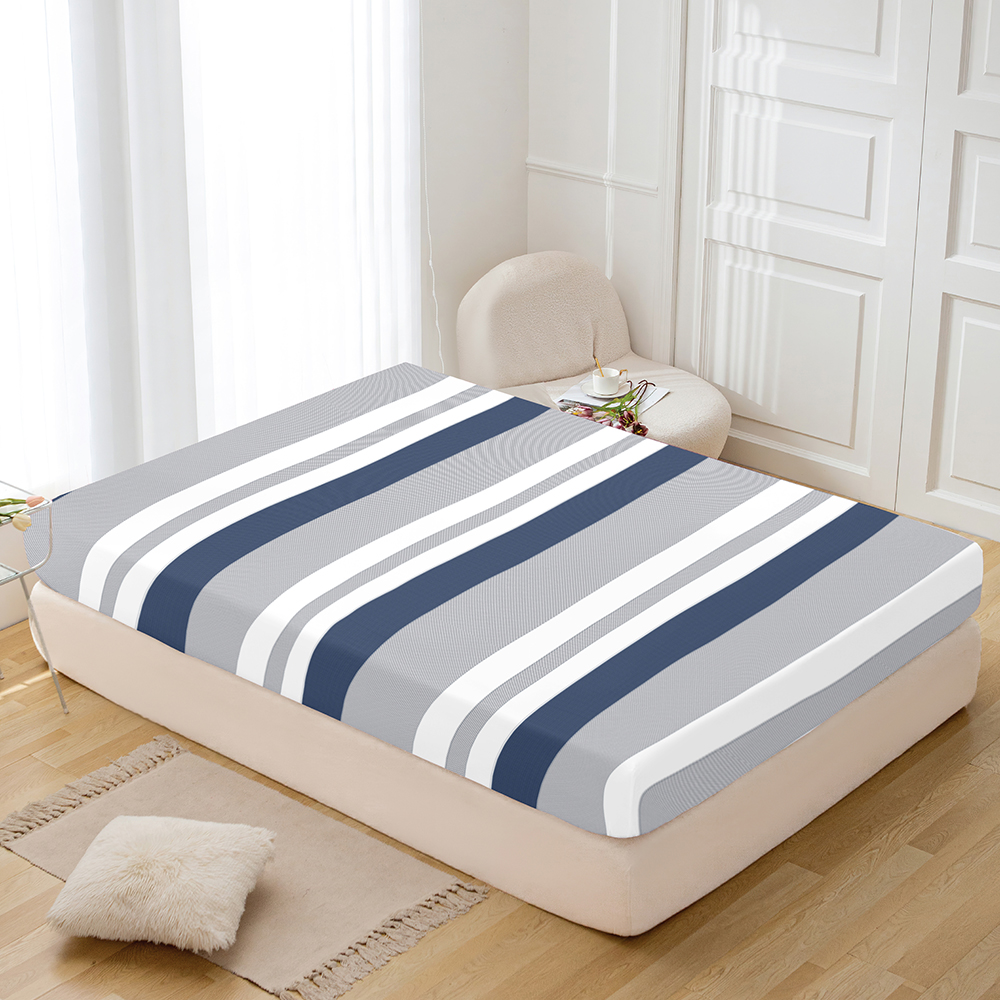
- Pigment printing: color is applied to the surface of the fabric. It is a cost-effective way to produce bold patterns and works well in heavier fabrics. The printed layer can feel slightly firmer, and washing instructions matter for color retention.
- Disperse printing: dye is bonded into the polyester fiber at high temperature. This produces a softer hand, better colorfastness, and a longer-lasting print. It is the standard finishing method for printed polyester sheets, often specified at 85 GSM twill for a balanced feel.
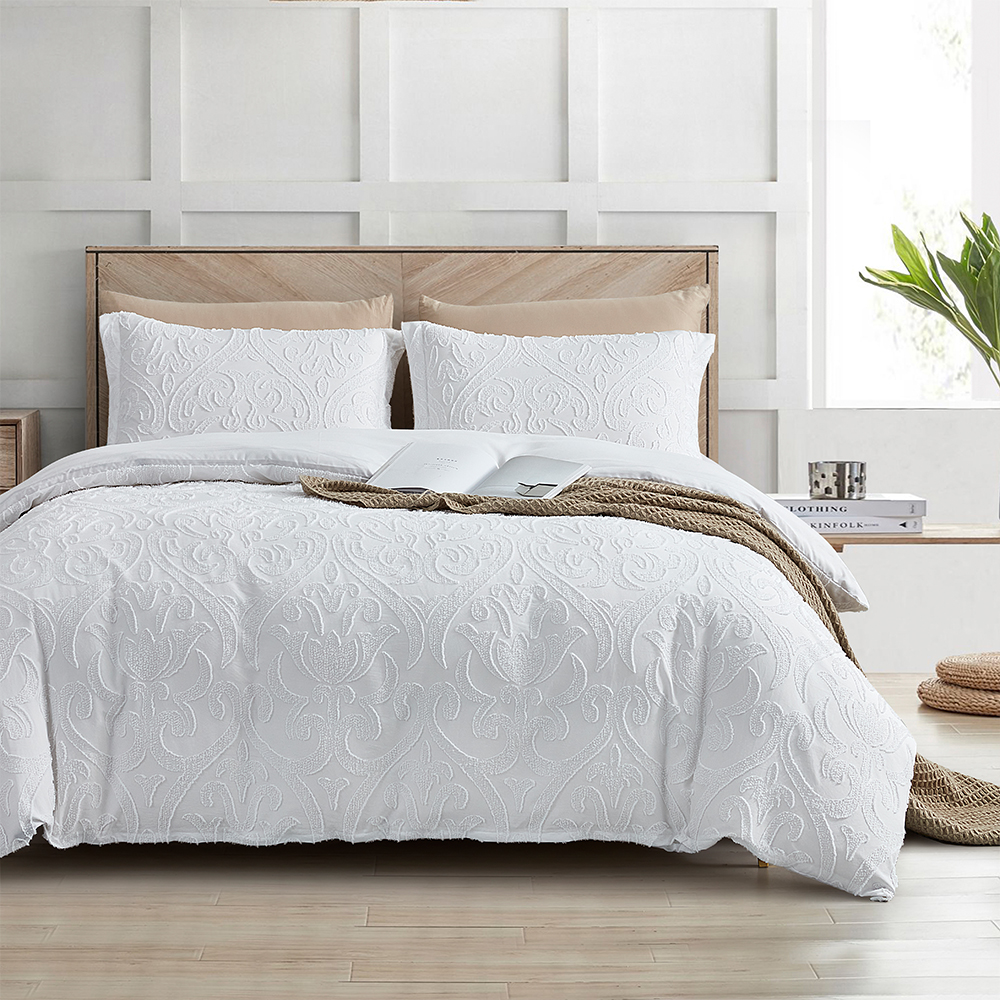
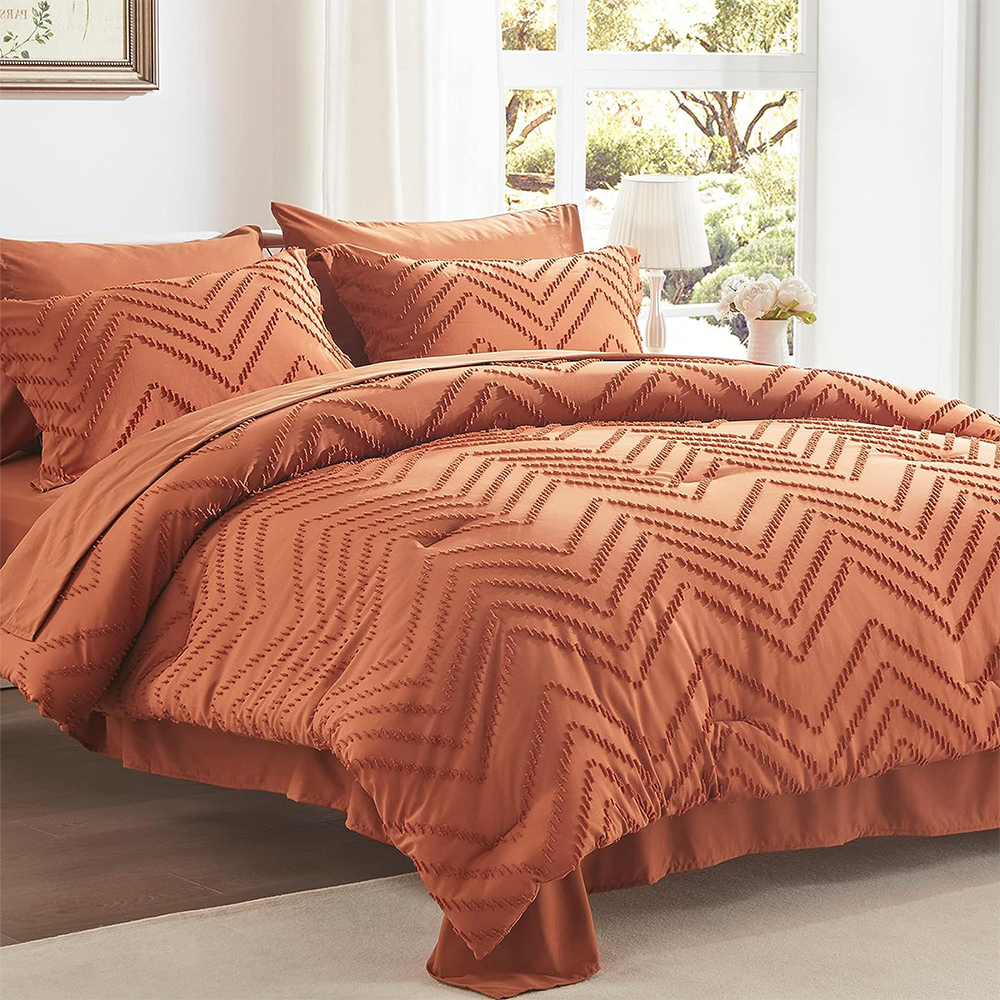
- Jacquard: the pattern is woven into the fabric structure during production. Jacquard surfaces have depth and texture that never wash out, which is why they are a popular upgrade for bedding sets.
For a printed option that stays soft, a disperse-printed set is the right direction. For a woven pattern that cannot fade, jacquard is the better choice.
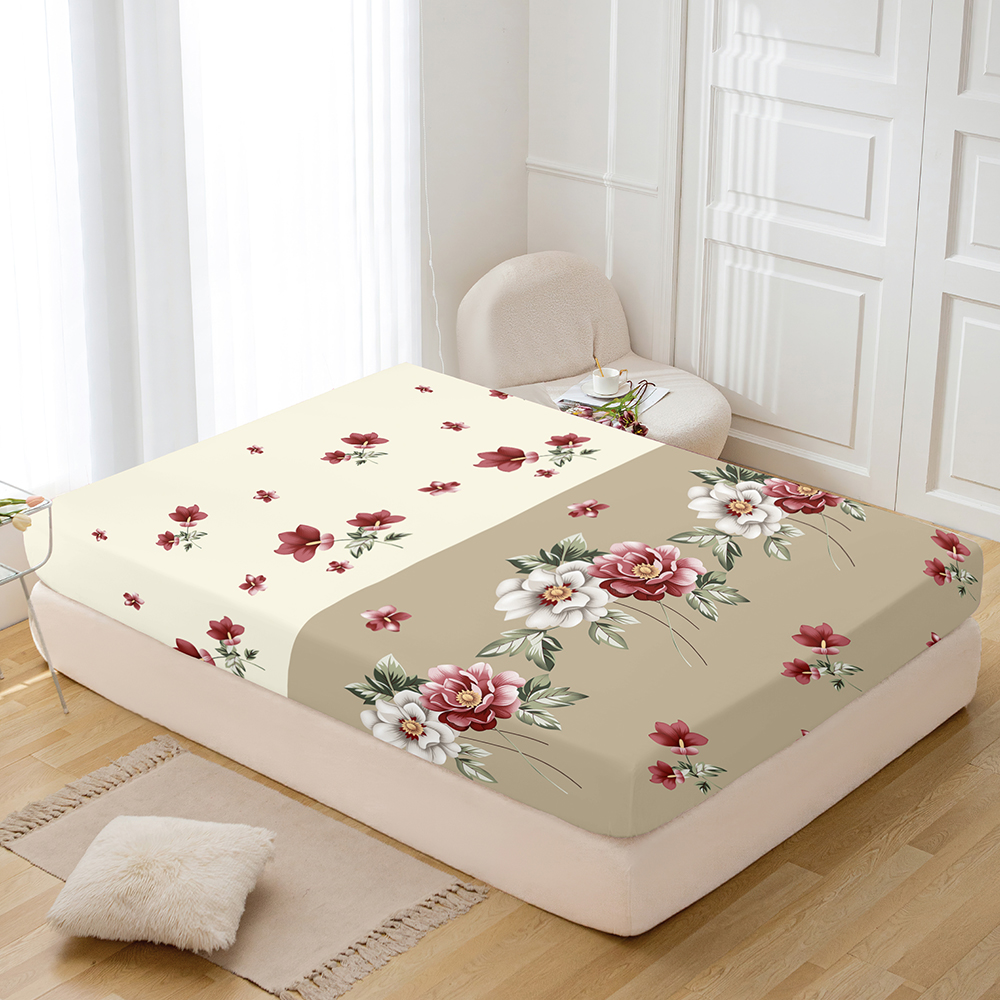
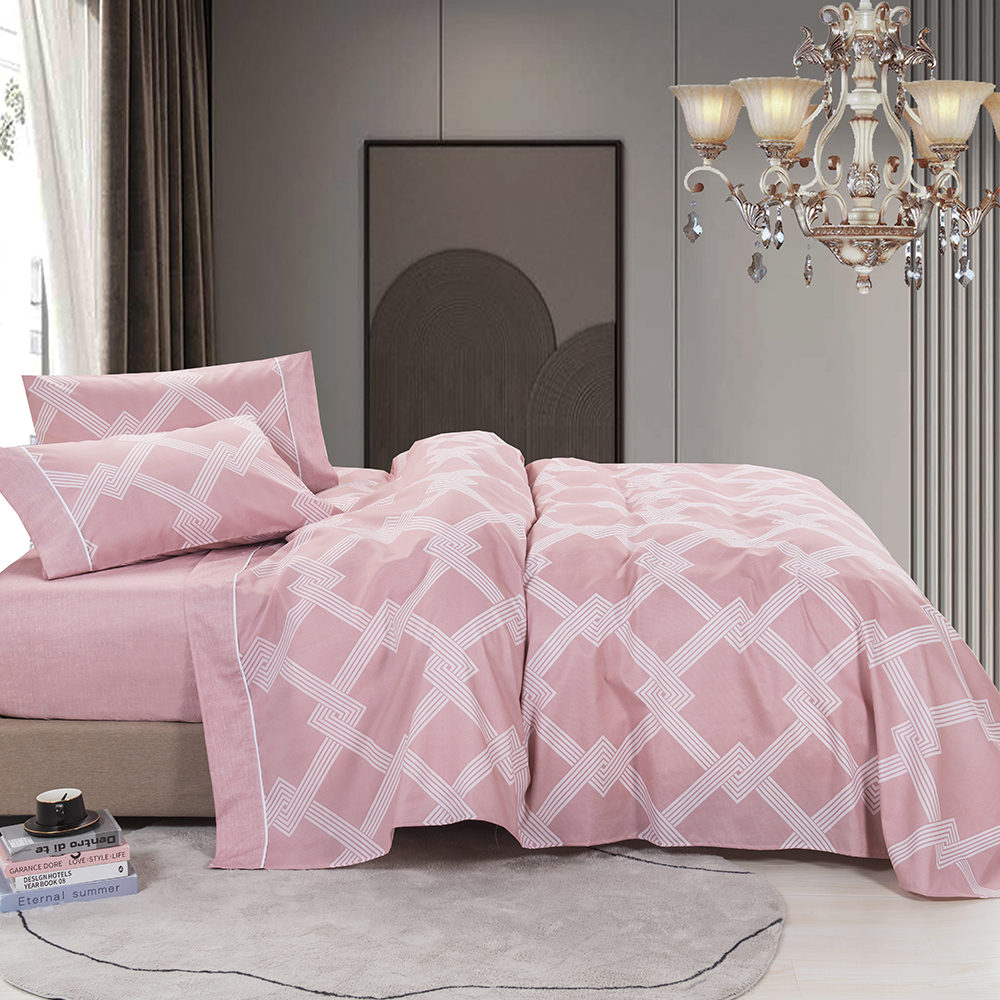 Disperse Printing 4-Piece Bed Sheet Set from ManufacturerThis disperse-printed sheet set offers a soft feel and vibrant patterns that stay comfortable, making it a practical choice for sleepers who prefer printed bedding.View Product →
  Jacquard 5-Piece Bed Sheet Set from ManufacturerThis jacquard-woven sheet set delivers a fade-resistant woven pattern, ideal for those who want durable, long-lasting design with a refined texture.View Product →
How to Choose Based on Sleep Style
Your sleeping habits are the most reliable filter for narrowing down sheet types.
- Hot sleeper: choose a percale weave in cotton, bamboo, or a lightweight 75-90 GSM polyester. Sateen and microfiber will trap too much heat.
- Cold sleeper: choose sateen, twill, or a 115 GSM polyester fabric. The denser weave retains body heat without feeling heavy.
- Sensitive skin: long-staple cotton, silk, or lyocell are the gentlest choices. Wash any new sheet before first use to remove factory residue.
- Busy household: polyester or microfiber will launder repeatedly, resist wrinkles, and dry quickly.
- Kids' rooms: printed polyester sets are durable, easy to clean, and affordable enough that colorful patterns can be refreshed frequently.
If your main concern is matching the sheet to a specific sleep profile, this guide to choosing bedding for your sleep style offers a practical framework for the full purchase.
Fiber Comparison at a Glance
The table below summarizes the key trade-offs among the most common sheet fibers.
| Fiber | Hand feel | Breathability | Durability | Care | Best for |
|---|---|---|---|---|---|
| Cotton | Crisp to silky, softens with washing | High | Very good (long-staple is best) | Machine wash, may wrinkle | All-year everyday bedding |
| Polyester | Smooth, consistent | Moderate | Very good | Machine wash, quick dry | Hotels, rental, budget lines |
| Microfiber | Very soft, suede-like | Moderate to low | Good | Easy care | Budget comfort |
| Linen | Crisp, textured | Very high | Excellent | Wrinkle-prone | Warm climates, natural looks |
| Silk | Smooth, cool | High | Delicate | Hand wash or gentle cycle | Luxury and sensitive skin |
| Bamboo / Lyocell | Soft, silky | High | Good | Machine wash | Softness at moderate price |
Every bed sheet type earns its place in a product line by solving a specific problem in the same trade-off triangle: fiber controls how it feels and lasts, weave controls how it breathes and drapes, and construction and finish control how it looks and how easy it is to care for. Match the fiber to the sleeper's skin and budget, match the weave to their body temperature, and match the finish to their laundry habits. Do that in sequence, and you will know exactly which sheet type belongs on which bed.
 previous post