

 English
 русский
 Español
Choosing a Duvet Cover: Fabric, Weave, Closures, and What to Buy in 2026
You have found a duvet insert you like and now you are looking for the cover that wraps it. The first rule of buying a duvet cover is simple: the cover does more work than the duvet itself. It takes the wear, absorbs the spills, and carries the look of the bed. A well-made cover can survive years of washing and still keep its color and shape, while a poorly made one will pill, fade, and split at the seams within months. The decision matters for both home buyers and procurement teams sourcing for retail or hospitality, so here is a practical breakdown of what to check before you buy.
Duvet cover versus comforter: why the cover deserves its own checklist
A duvet cover is a removable shell that slides over a duvet insert, replacing the need for top sheets in many households and making laundry far easier. A comforter, by contrast, is a finished blanket with no removable cover. The main advantage of the duvet system is that the insert stays clean while the cover absorbs daily wear, which is why European hotels and most modern bedding brands have moved in this direction. When you buy a cover, you are effectively buying the part of the bed that touches your skin, so fabric quality, stitch density, and closure strength all become purchasing criteria rather than nice-to-haves.
Fabric choice: polyester, cotton, and blends
The single biggest factor in duvet cover performance is the fiber. Cotton is breathable and soft after washing, but it wrinkles, shrinks if not pre-shrunk, and costs more at equivalent quality. Polyester, and in particular the high-polyester constructions used by most export mills, offers colorfastness, dimensional stability, and easy care. A 99.99% polyester duvet cover made with a twill or sateen construction can mimic the hand feel of cotton at a fraction of the retail price, and it will not fade quickly under repeated laundering.
Thread count is frequently misunderstood in this conversation. A cover with a very high thread count but a loose weave is less durable than a lower count with a tight, balanced construction. What matters more for a cover that gets washed weekly is fabric weight and weave integrity. In factory specifications, weight is expressed in grams per square meter (gsm); common duvet cover fabrics range from 75 gsm for lightweight summer covers to 115 gsm and above for heavier options. If you are sourcing, asking for the gsm specification is more reliable than asking for thread count alone. This topic is covered in more detail in our guide to whether thread count actually matters when choosing a solid quilt set, but the same logic applies to duvet covers.
Weave and construction: the part you feel every night
Fabric construction changes how a cover feels and how long it lasts. The main weave types you will encounter are percale, sateen, and twill.
| Weave | Feel | Best for | Notes |
|---|---|---|---|
| Percale | Crisp, cool, matte | Warm sleepers, summer use | Plain weave, breathable, wrinkles more easily |
| Sateen | Smooth, silky, subtle sheen | Cool months, softness seekers | Satin weave, heavier drape, more delicate surface |
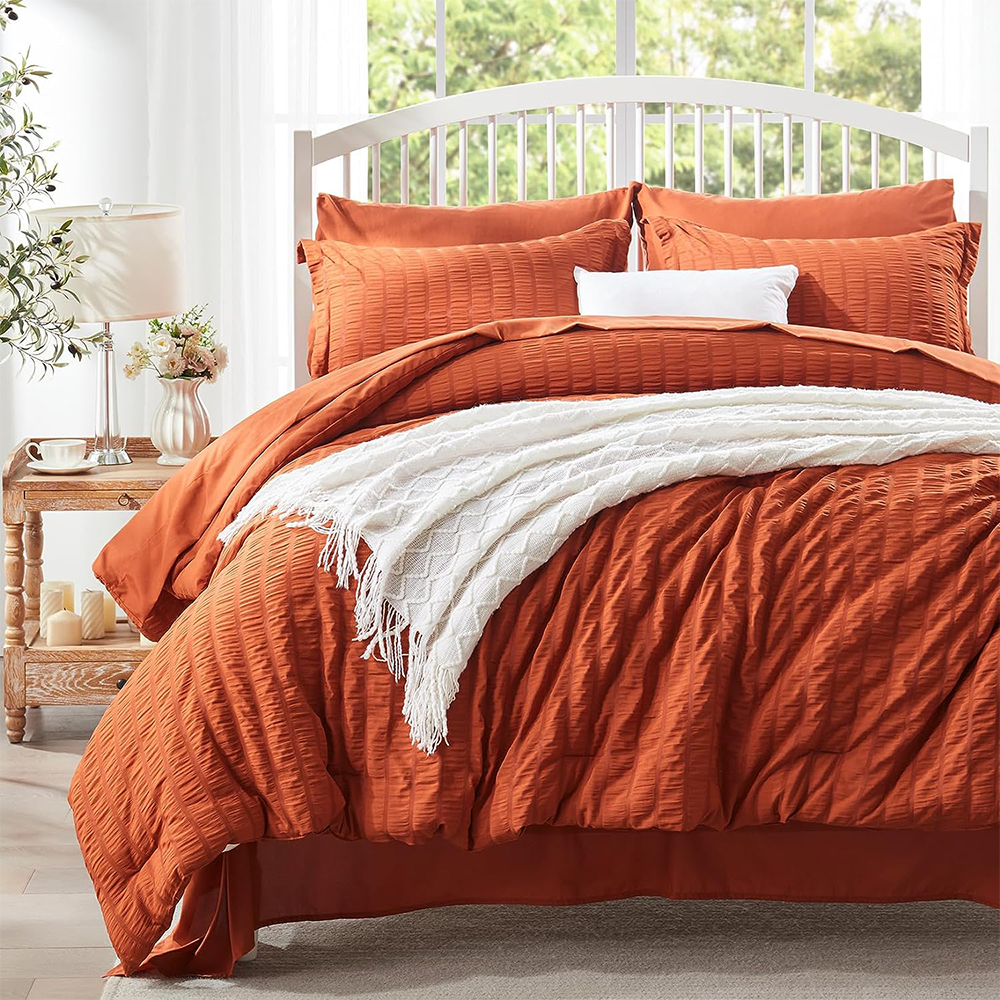
| Twill | Soft, durable, slightly textured | Everyday heavy use, kids' rooms | Diagonal rib pattern, hides wrinkles and wear |
For a duvet cover, twill and sateen are the most common export-grade choices because they withstand repeated washing. A twill weave with dense yarn will handle strong detergent and high-temperature washes that would break down a loosely woven percale. The weave also determines how the cover drapes over the duvet; a stiffer weave makes the bed look more structured, while a softer weave conforms more closely to the insert.
Solid, printed, or jacquard: matching the cover to the space
Once the fabric is right, the next decision is visual. The three main finishing directions are solid colors, printed patterns, and jacquard or woven patterns. Each has a different production process and a different commercial appeal.
Solid covers
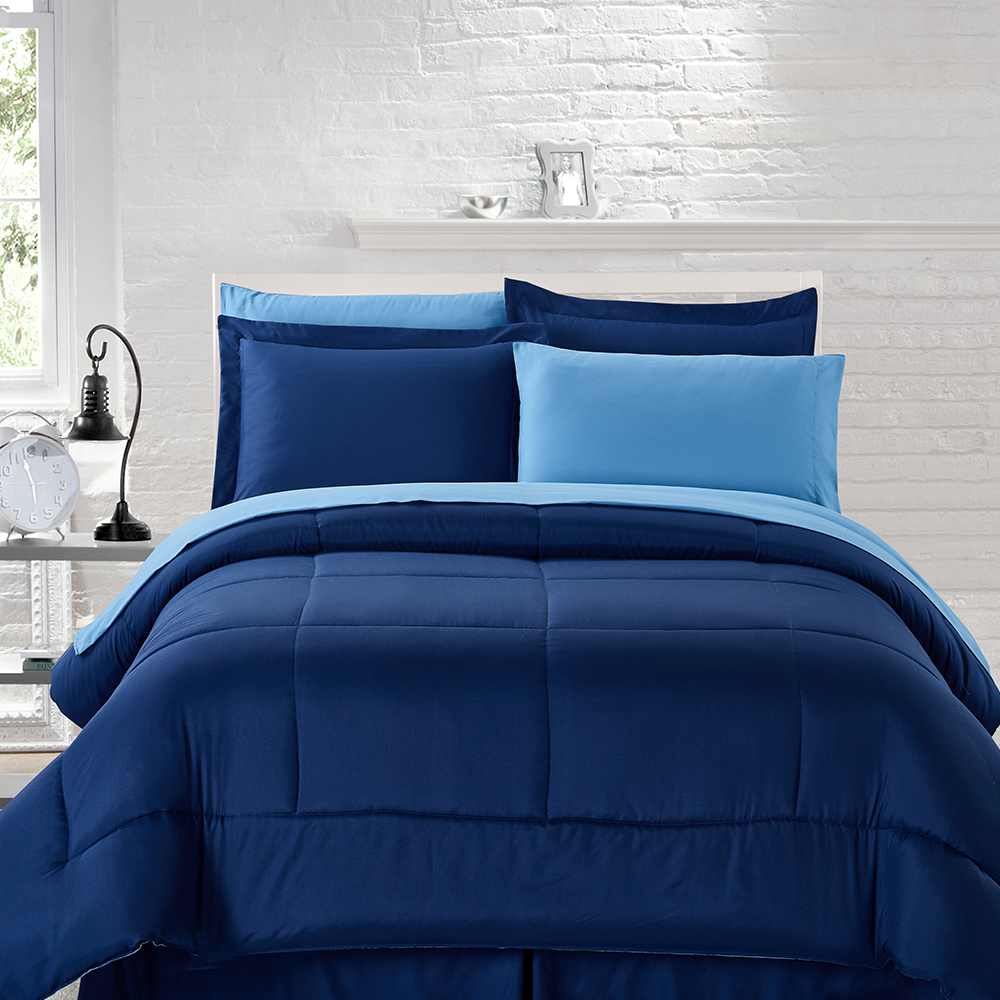
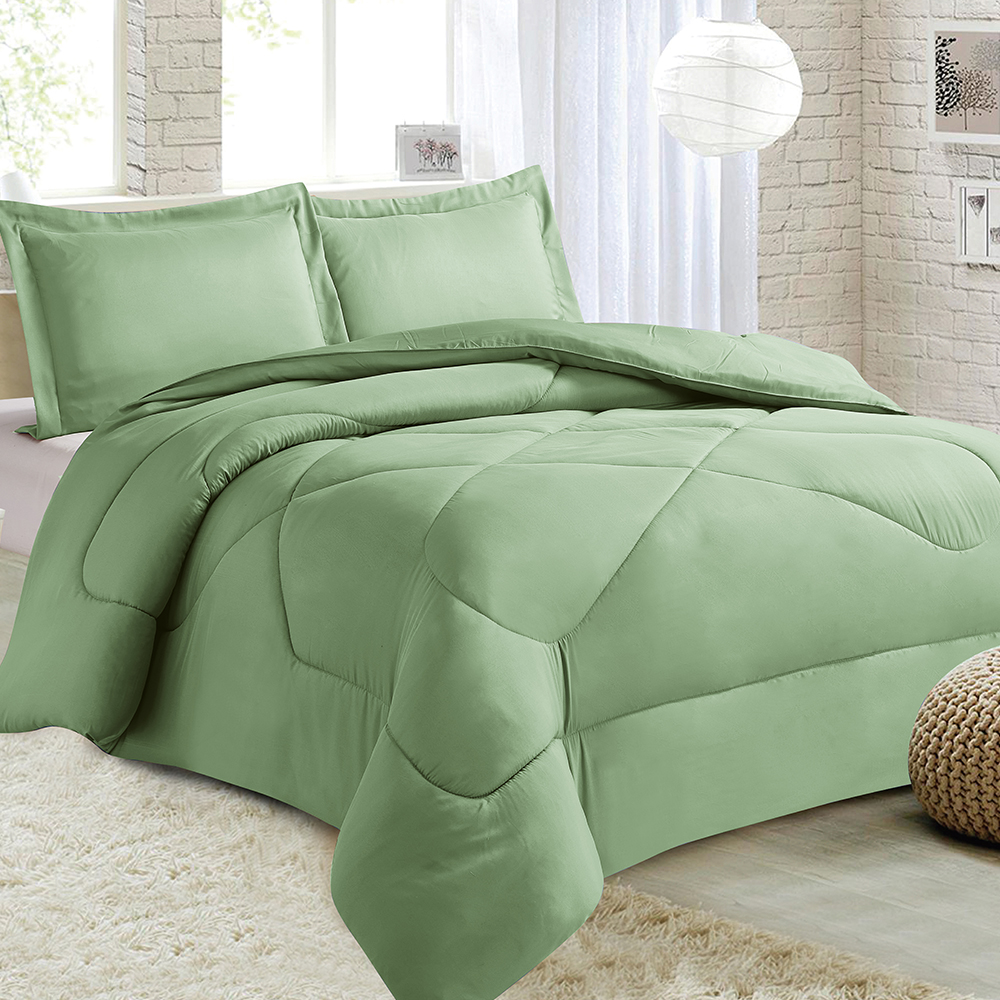
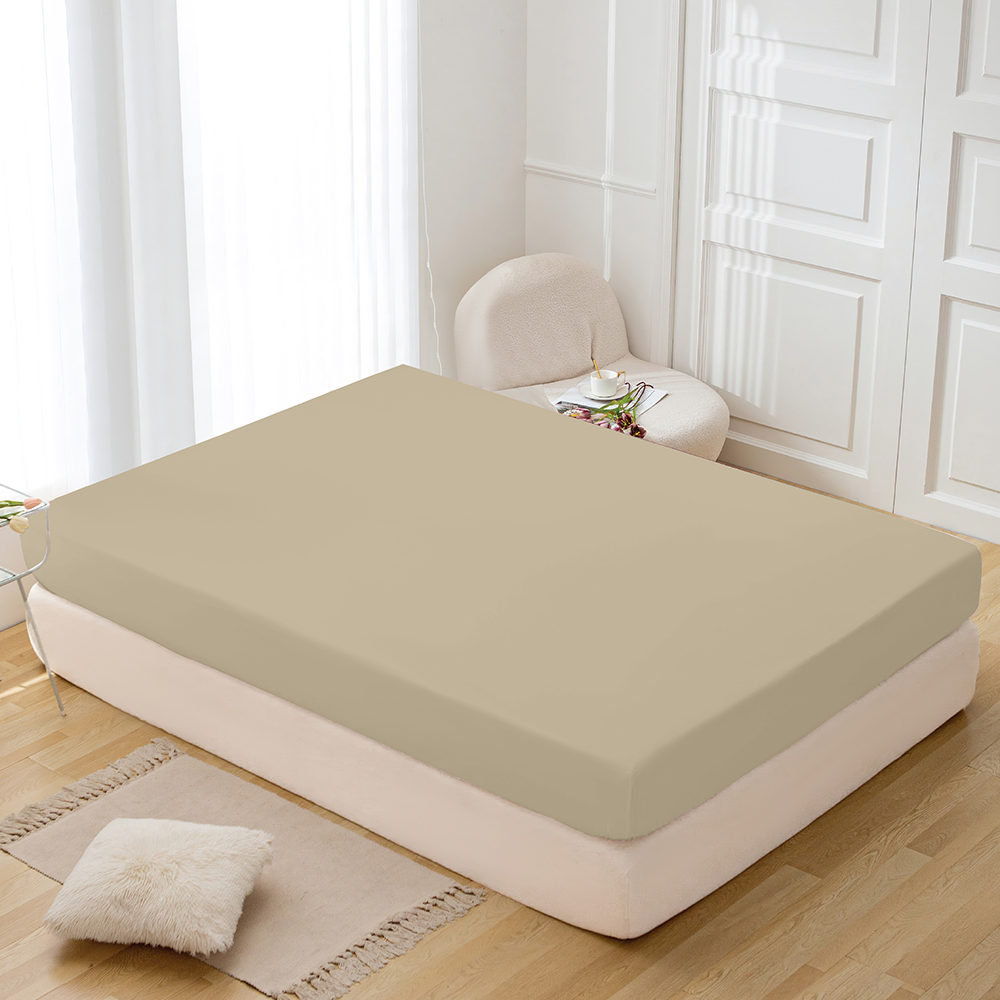
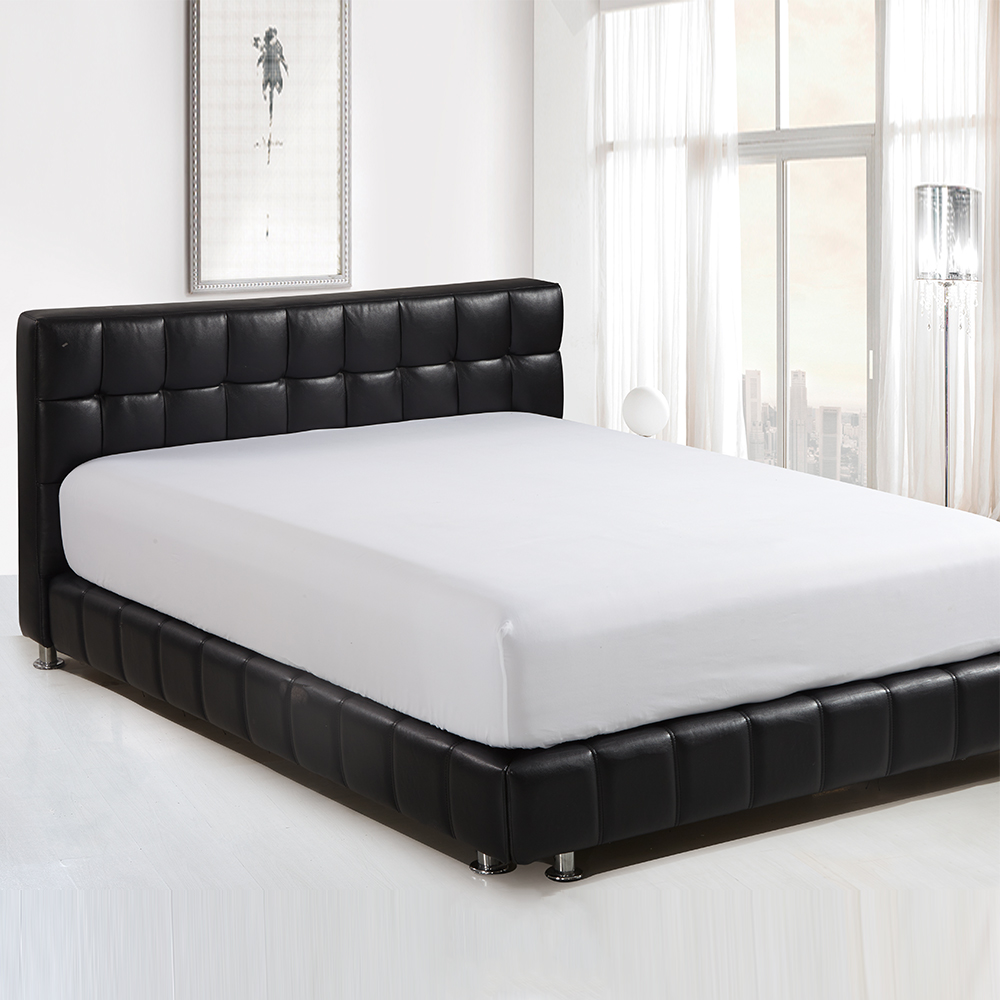
Solid duvet covers are the foundation of hotel-style bedrooms because they work with any interior palette and do not go out of trend. They are also the easiest to manufacture with consistent color, which makes them a strong choice for wholesale orders. A well-executed solid cover can look far more expensive than its price point suggests, and a solid reversible quilt bed cover follows exactly this logic: a clean surface, a dependable weave, and a reversible feature that gives buyers two looks for the price of one.
Printed covers
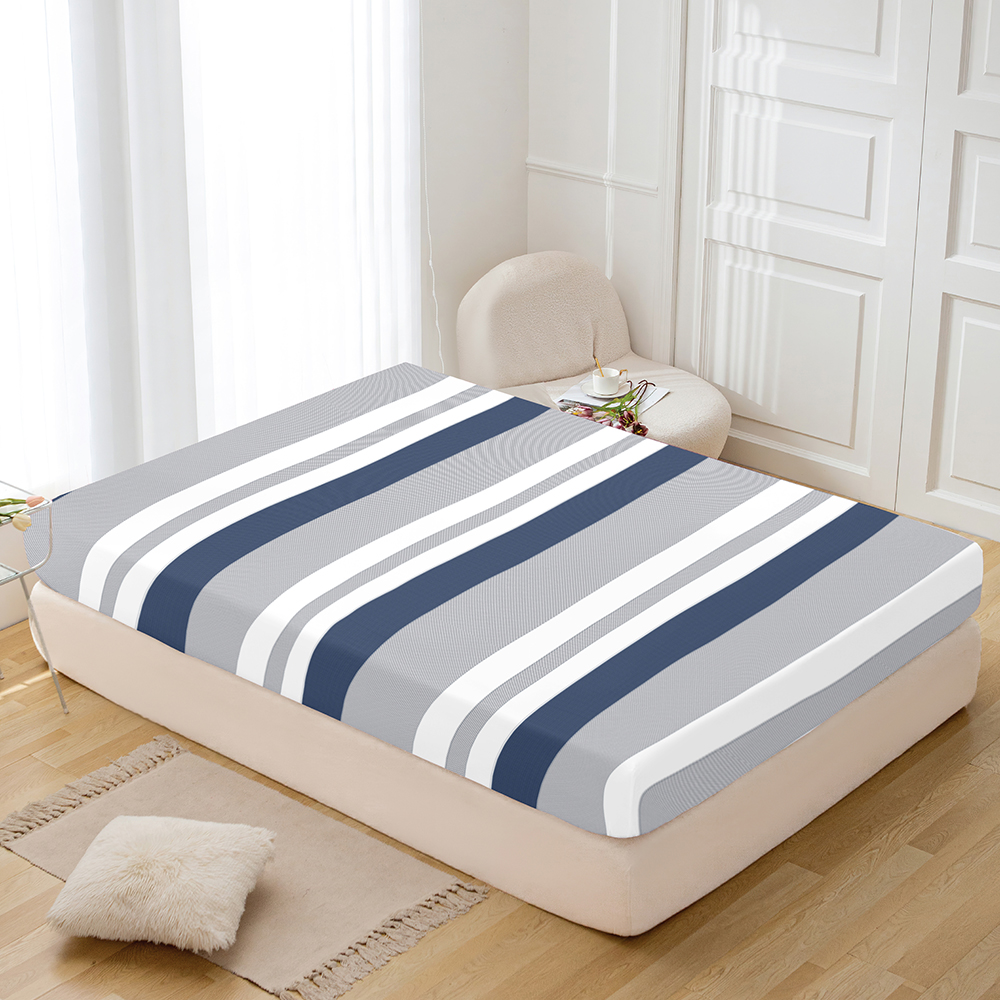
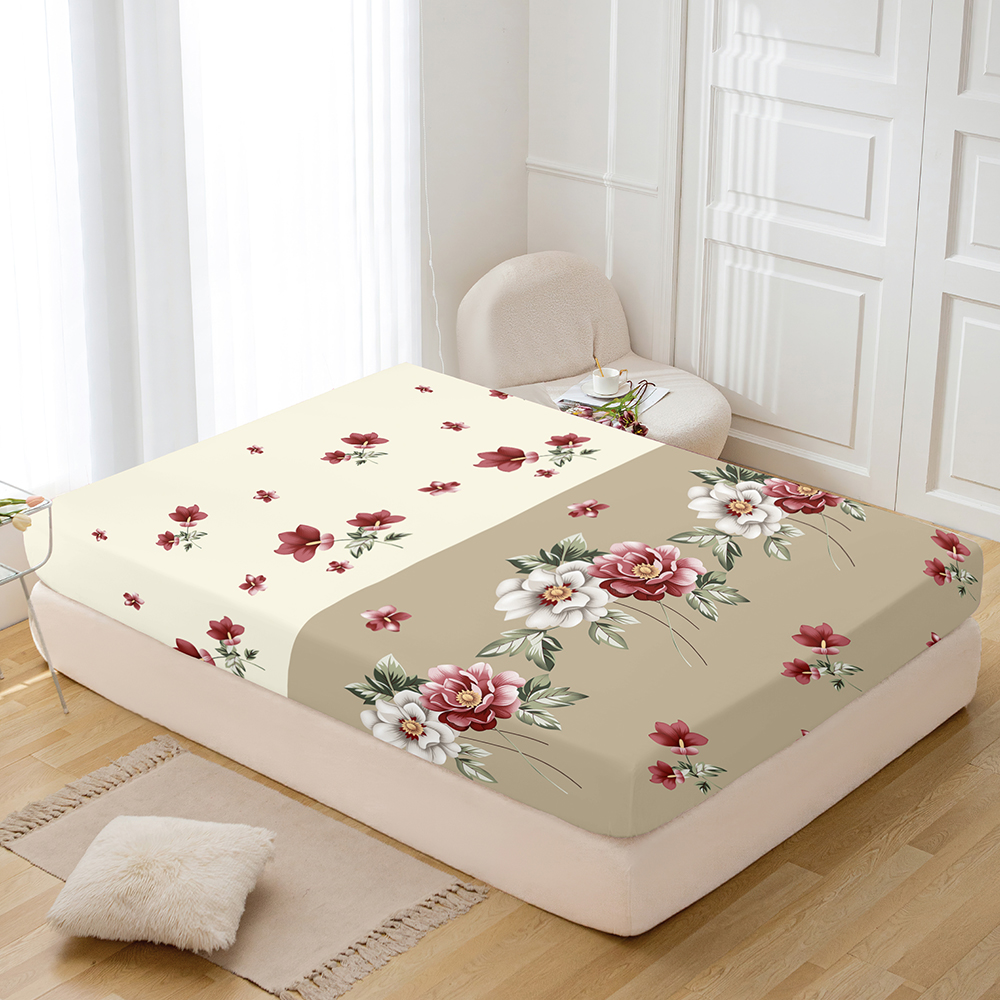
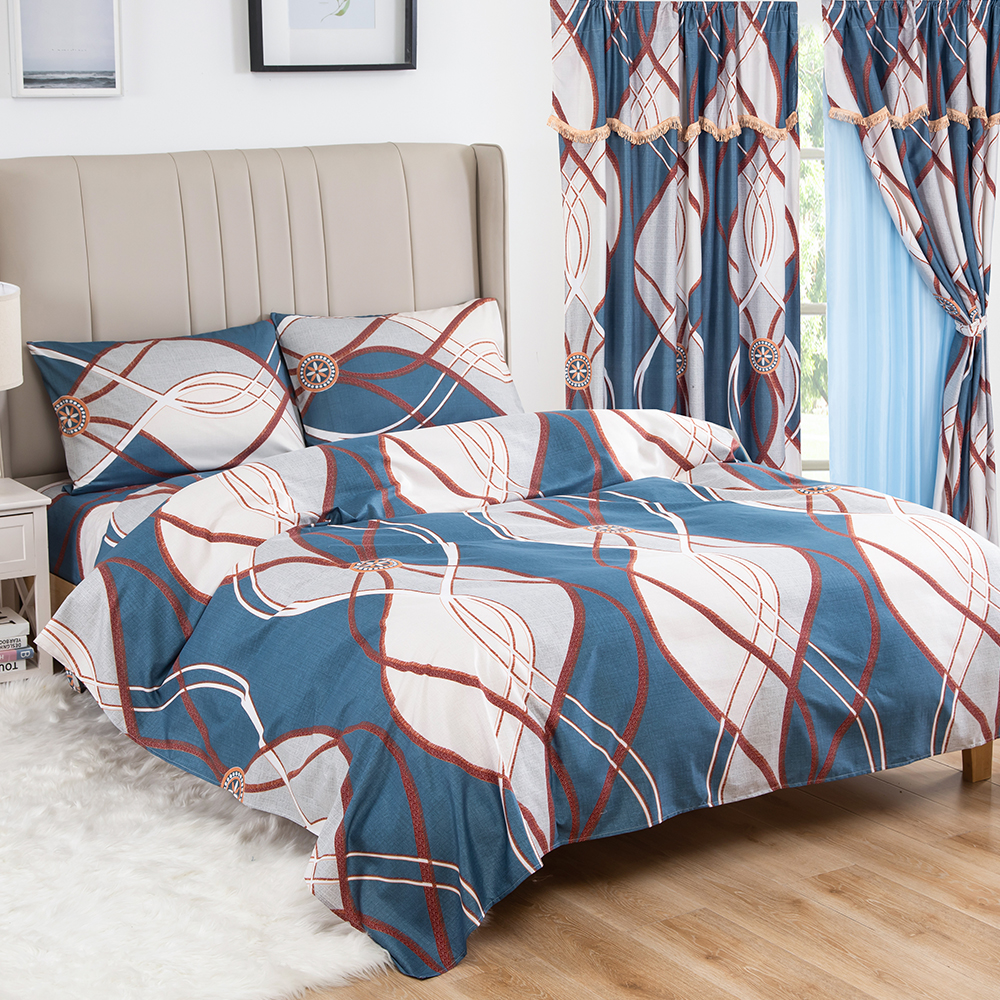
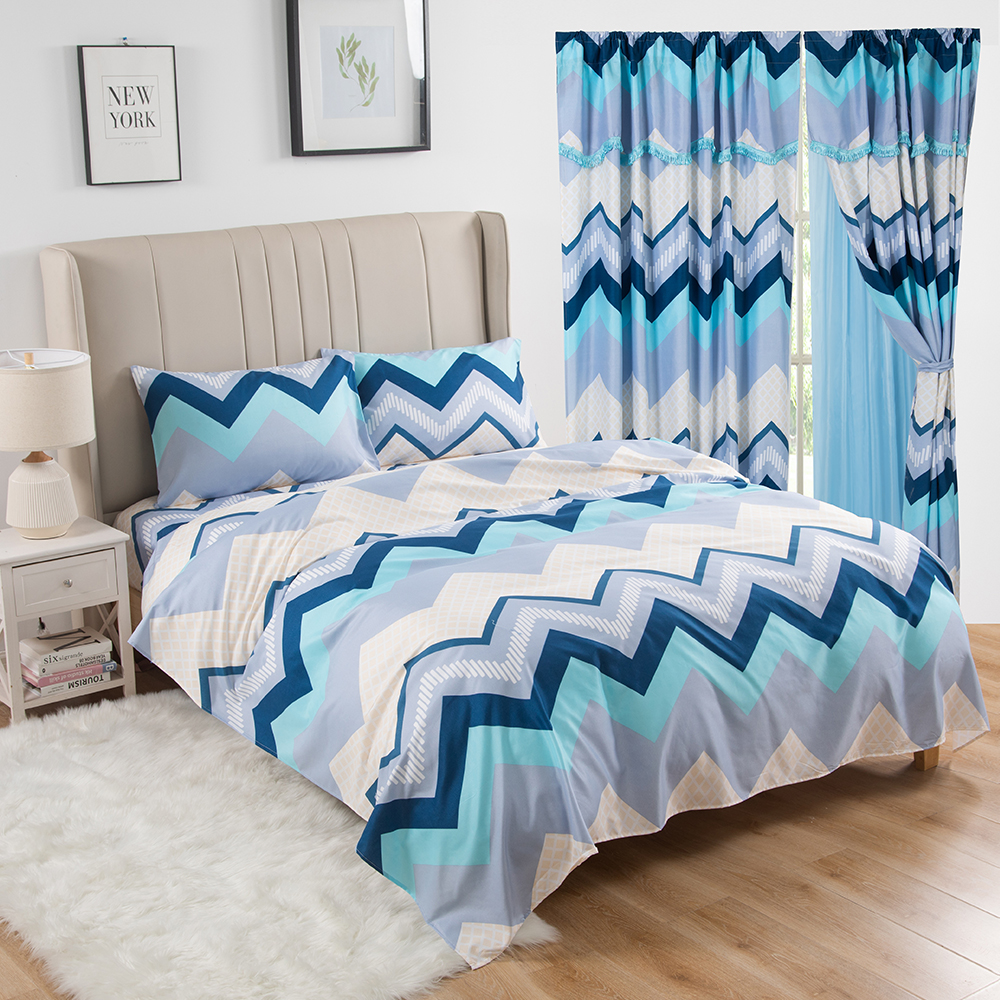
Printed covers carry the visual personality of the room. Two printing methods dominate export manufacturing: pigment printing and disperse printing. Pigment printing sits on the surface of the fabric, giving a matte, slightly textured finish that is cost-effective and works well on cotton and blends. Disperse printing, used almost exclusively on polyester, dyes the fibers at a molecular level. This produces sharper color registration, better washfastness, and color that does not fade into the back of the fabric. For a poly duvet cover, disperse printing is the preferred route when durability and high detail matter, which is why manufacturers apply it to children's bedding and reversible designs.
Jacquard and yarn-dyed covers
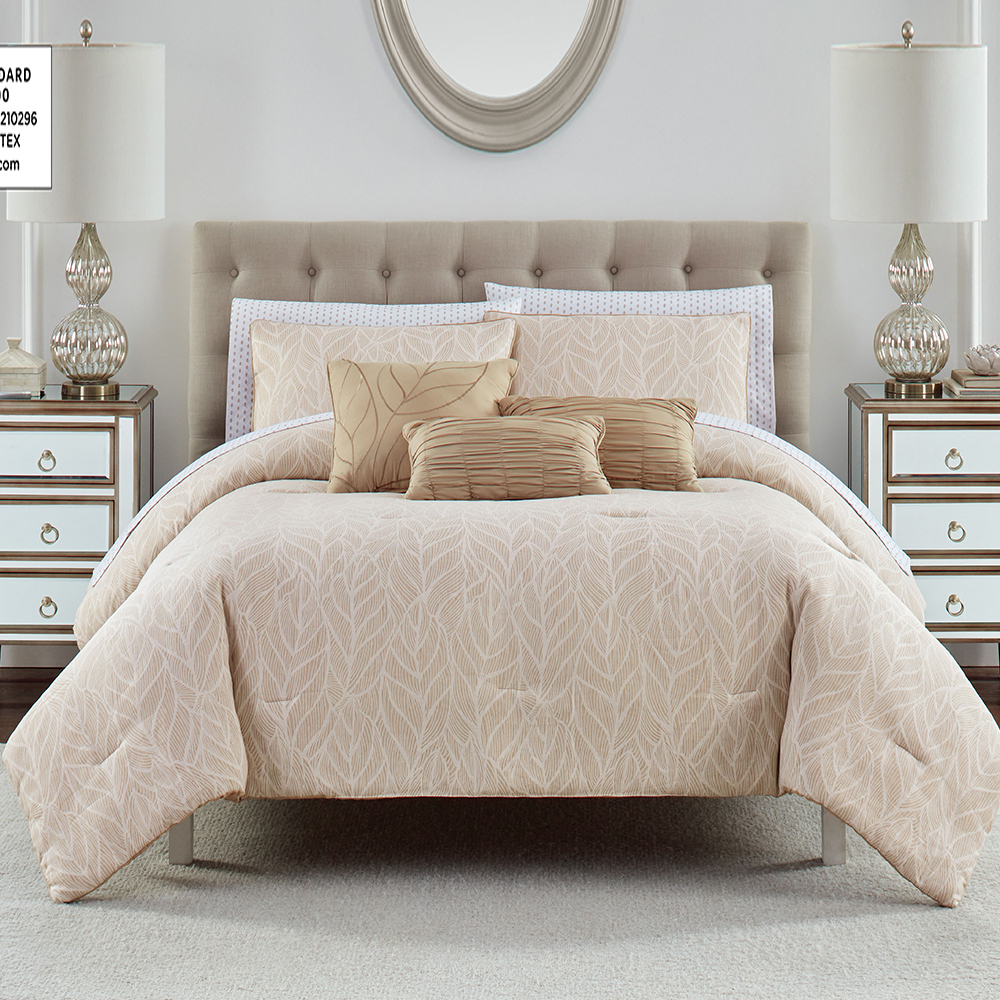
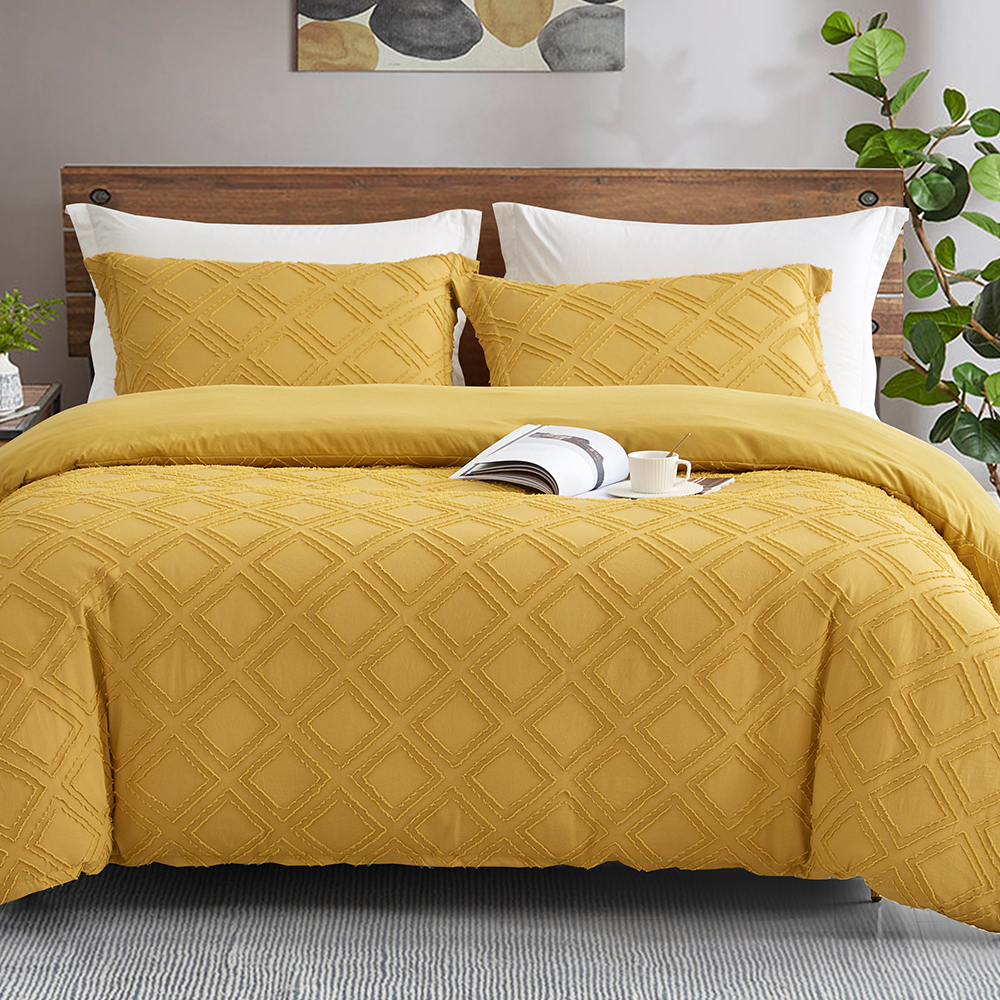
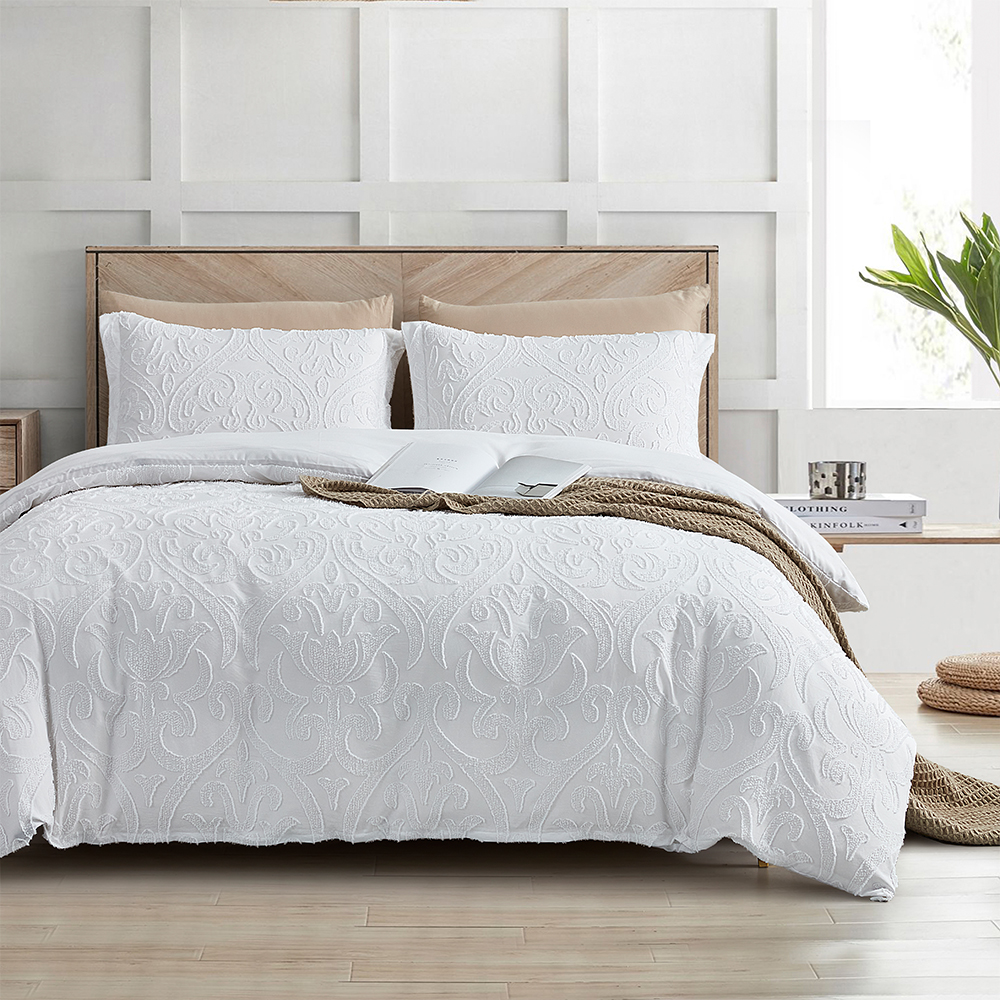
Jacquard covers are woven rather than printed, meaning the pattern is built into the fabric during production. They feel richer and last longer because the design cannot crack or wash out. A jacquard duvet cover is a step up in both cost and perceived value, and it suits buyers looking for a textured, premium product. Yarn-dyed jacquard, where threads are dyed before weaving, is the top tier in this category.
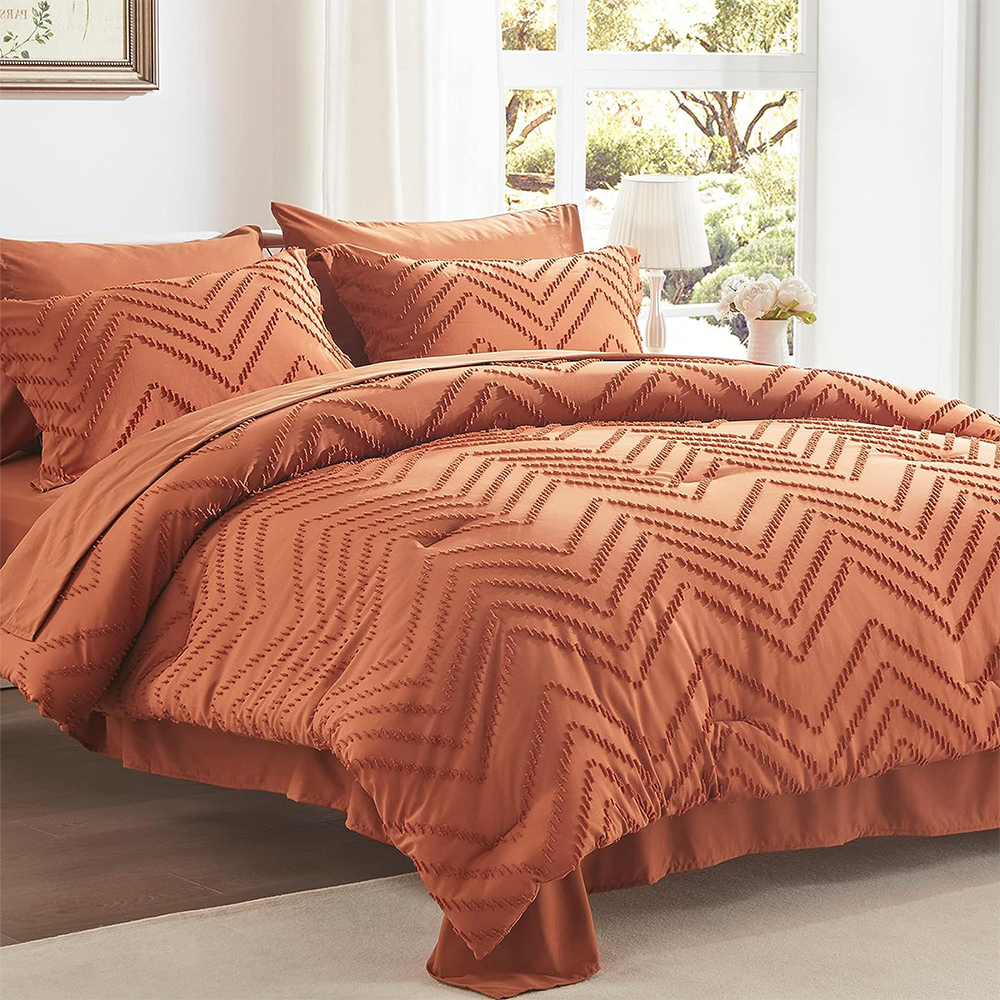
Reversible covers deserve a special mention. Buying one reversible cover gives you two visual options without a second purchase. They are popular in retail because they ship well, sell fast, and photograph beautifully. This principle is visible in our own range: the Boho clipped duvet set with pillow shams, for instance, combines a woven textured face with coordinating accents so one set works for multiple styling directions.
Closures, corner ties, and sizing
The invisible details separate a good cover from a frustrating one. Closure strength is the first place where cheap covers fail. Button closures look classic but need reinforced buttonholes; zippers are faster to use and seal the duvet completely, but a low-quality zipper will break within a year. Many export factories now use hidden zippers with a fabric flap over the top, which protects the duvet from snagging and keeps the bed looking neat.
Corner ties are not a luxury item; they are the difference between waking up with your duvet bunched inside the cover and having it stay flat all night. Any cover for a queen or king duvet should have at least four internal ties or a continuous channel that holds the insert in place. When you are sourcing, ask specifically whether the cover includes corner loops or ties, because many low-cost manufacturers omit them to save a few cents per unit.
Sizes are equally important. Duvet dimensions vary by country and even by brand, so make sure the cover matches the insert you actually own. Common sizes are 200 by 200 cm for a standard double, 240 by 220 cm for a queen or king, and 260 by 240 cm for a super king in European and Asian markets, while North American king covers run 228 by 264 cm. Always verify the exact dimensions on the product page, because a few centimeters of mismatch creates a visibly saggy bed.
Care: what the label should tell you
A duvet cover is the most washed item in the bedding set, so care compatibility is a purchase criterion. Polyester covers tolerate warm machine washing and tumble drying at low heat, and they do not need ironing if removed promptly. Cotton covers require more attention to avoid shrinkage. The best covers carry clear care labels with temperature limits and drying instructions, and they should come properly pre-shrunk from the factory so that the size does not change after the first wash.
Colorfastness is the metric that matters most in practice. High-quality disperse-printed polyester will hold its color through dozens of washes, while a low-grade pigment print can begin fading within ten cycles. If you are buying in bulk for resale or for a property with frequent turnover, ask the supplier for wash-test data before committing to a large order.
Sourcing considerations for wholesale and retail buyers
Retail consumers pick a duvet cover based on feel and price, but a buyer working with suppliers has additional variables. Minimum order quantities, lead times, sample approval, and consistency across dye lots all matter. A factory with dedicated production lines for poly duvet covers, quilts, and comforter sets can usually ship mixed containers, which lowers logistics costs per unit. That kind of flexibility is one reason importers look beyond single-product workshops toward full-range home textile manufacturing partners. Understanding how bedding choices connect to sleep habits can make the selection process easier, whether you are buying for yourself or for a customer base with distinct preferences.
Before you place an order, ask for a pre-production sample in the actual fabric weight you plan to buy. Feel the closure, test the zipper, pull on the seams, and run a home wash test at 40 degrees. The best product pages tell you the construction honestly, so look for clear specifications rather than vague marketing claims. If the supplier publishes weights, weaves, and finishing details, they are likely confident enough in their production process to stand behind the goods.
 previous post