

 English
 русский
 Español
Polyester Quilt Buying Guide: Facts, Care, and What to Check Before You Order
Last month, a bedding buyer told me they had fallen for a polyester quilt but worried it would feel like a sweaty blanket by midnight. That is a fair concern. Early polyester quilts often lacked airflow and trapped heat. Modern polyester quilts can be a practical choice, but only when the fabric weight, weave, and finishing are right. As a manufacturer that works with polyester bedding every day, I see the same questions from buyers around the world. Here is what separates a well-made quilt from a regret purchase.
What a Polyester Quilt Actually Is
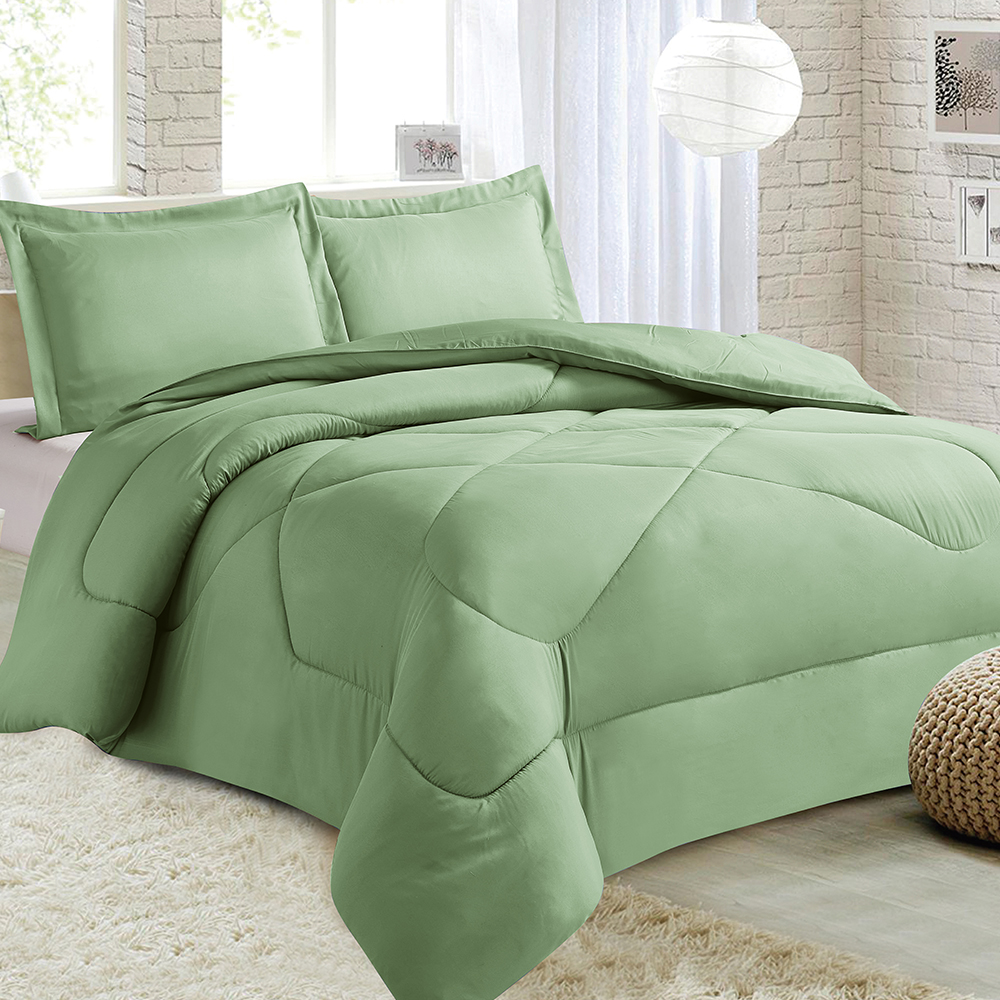
A polyester quilt is a stitched bedcover with a polyester shell fabric and a polyester filling. The shell is usually woven from 99.99% polyester yarns, while the filling is a polyester batting that is either sewn in place by quilting lines or bonded by ultrasonic stitching. Most polyester quilts are sold as sets: one quilt with two pillow shams, sometimes with a bed skirt, in a 3-piece or 6-piece configuration.
The key to judging one is not the generic label "polyester." It is the yarn quality, the fabric structure, the filling density, and the printing method.
What Users Report: Pros and Cons
Polyester quilts have a mixed reputation, and some of it is earned. Older versions, often made from tightly woven twill with thick batting, trapped heat and felt sweaty. Users also report that a heavy twill backing can be uncomfortable in summer. But when the construction is right, a polyester quilt offers clear advantages.
It is affordable, which makes it accessible for first apartments, college dorms, guest rooms, and vacation rental businesses. It is lightweight and dries faster than cotton or wool. The colors stay bright after repeated washing because polyester holds disperse dyes well. The surface does not wrinkle like linen, and the quilt keeps its shape without losing fill. For buyers, that means fewer customer complaints and easier handling.
The main downside remains breathability. If you need a quilt for hot nights, avoid heavy fills and choose a lighter gsm. Also, a low-quality polyester fabric can feel plasticky and make noise. These problems come from poor material choice, not from the fiber itself.
Fabric Weight and Construction Matter More Than the Fiber
In polyester quilts, the fabric weight often matters more than anything else. It determines drape, warmth, and durability. Here is a simple comparison based on what manufacturers specify in product sheets.
| Fabric weight | Typical structure | Feel | Best use |
|---|---|---|---|
| 75 gsm | Fine twill or plain weave | Light, crisp, good for warm weather | Summer quilt, decorative layer |
| 85 gsm | Twill | Balanced weight, smooth but durable | Year-round use in mild climates |
| 90-100 gsm | Standard twill or sateen | Medium heft, soft | All-season bedding with light fill |
| 115 gsm | Heavy twill | Substantial, structured | Colder nights, outer layer |
In general, for a polyester quilt set meant for year-round bedding, 85 to 100 gsm with a twill weave gives the best balance. Quilts below 80 gsm feel lighter and work for summer but may not hold a strong quilting stitch pattern. Above 110 gsm, the bed cover becomes heavier and more blanket-like, which can be too warm for some sleepers.
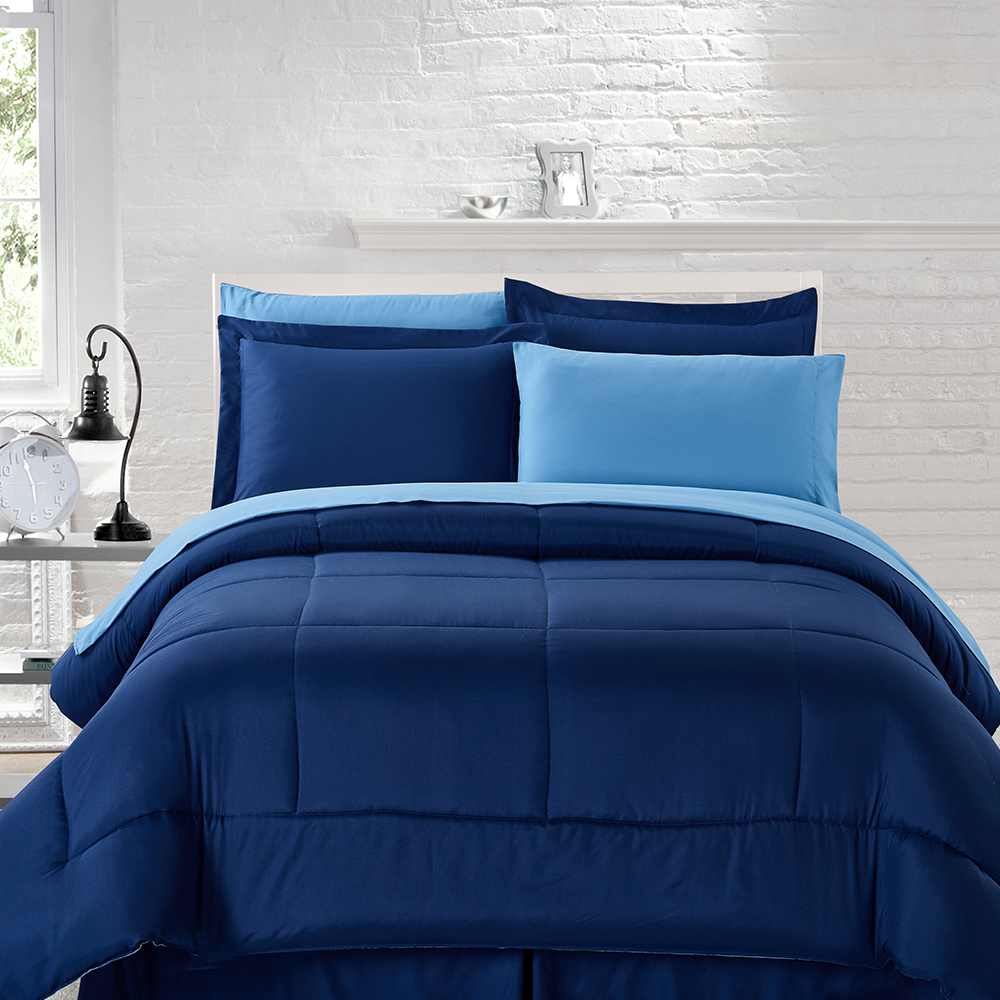
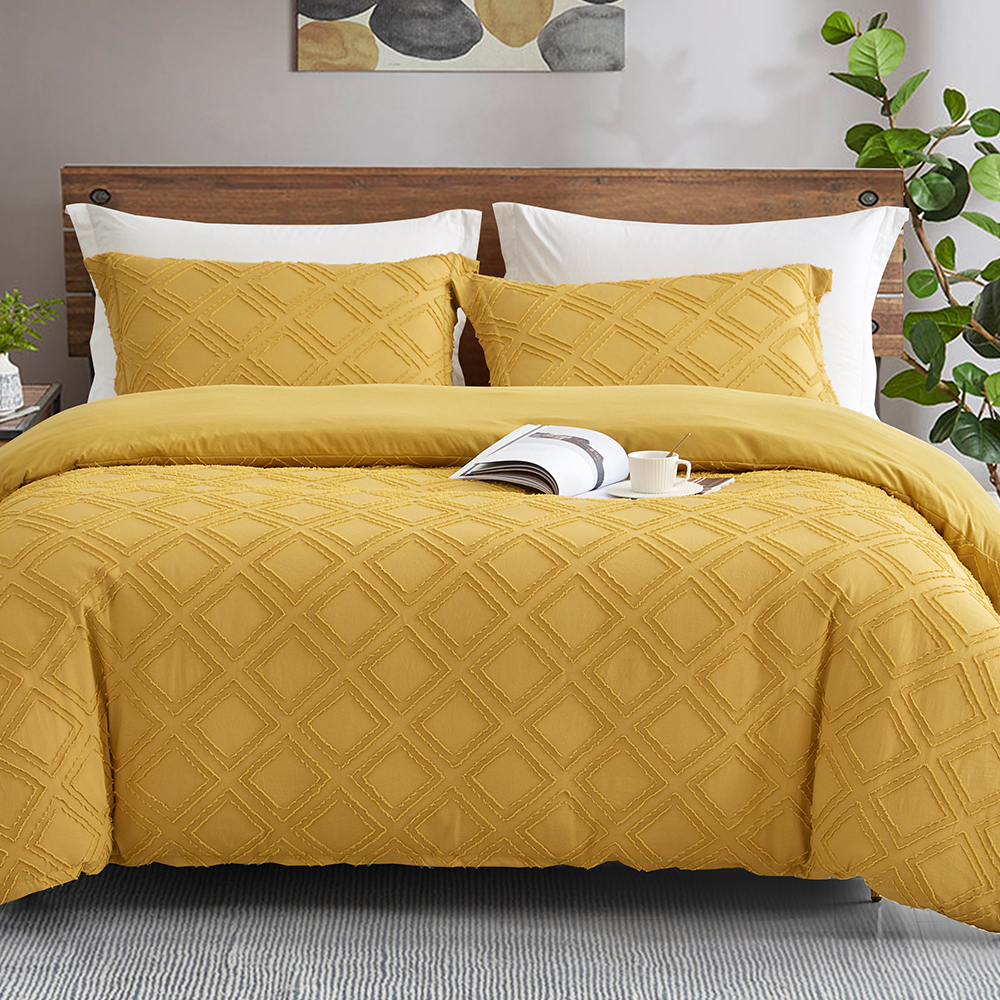
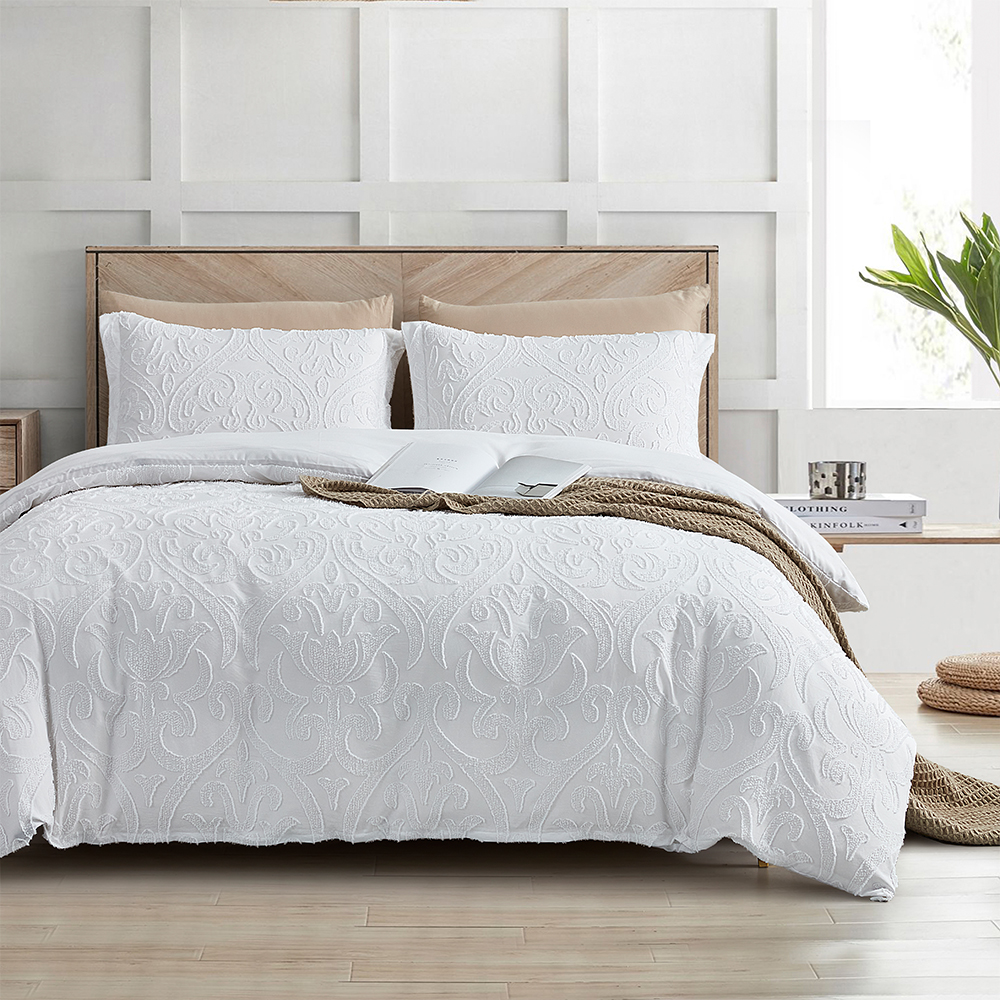
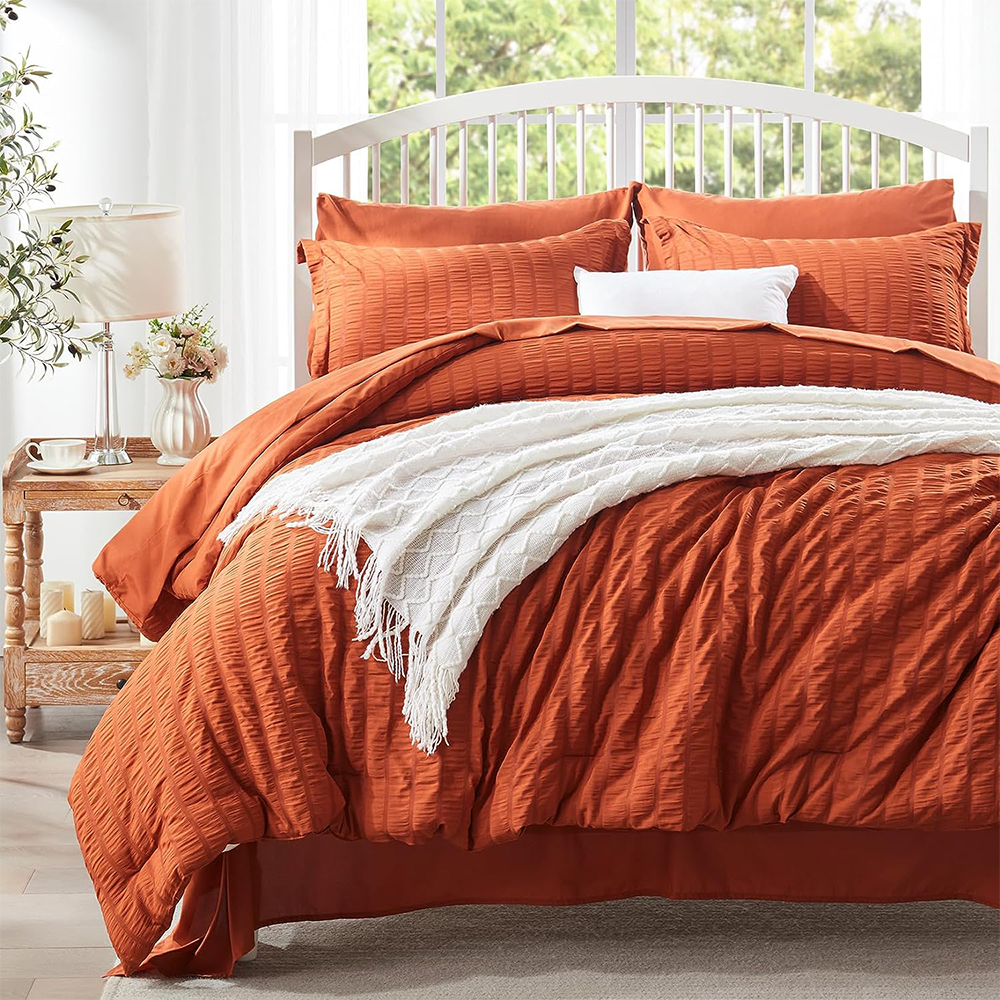
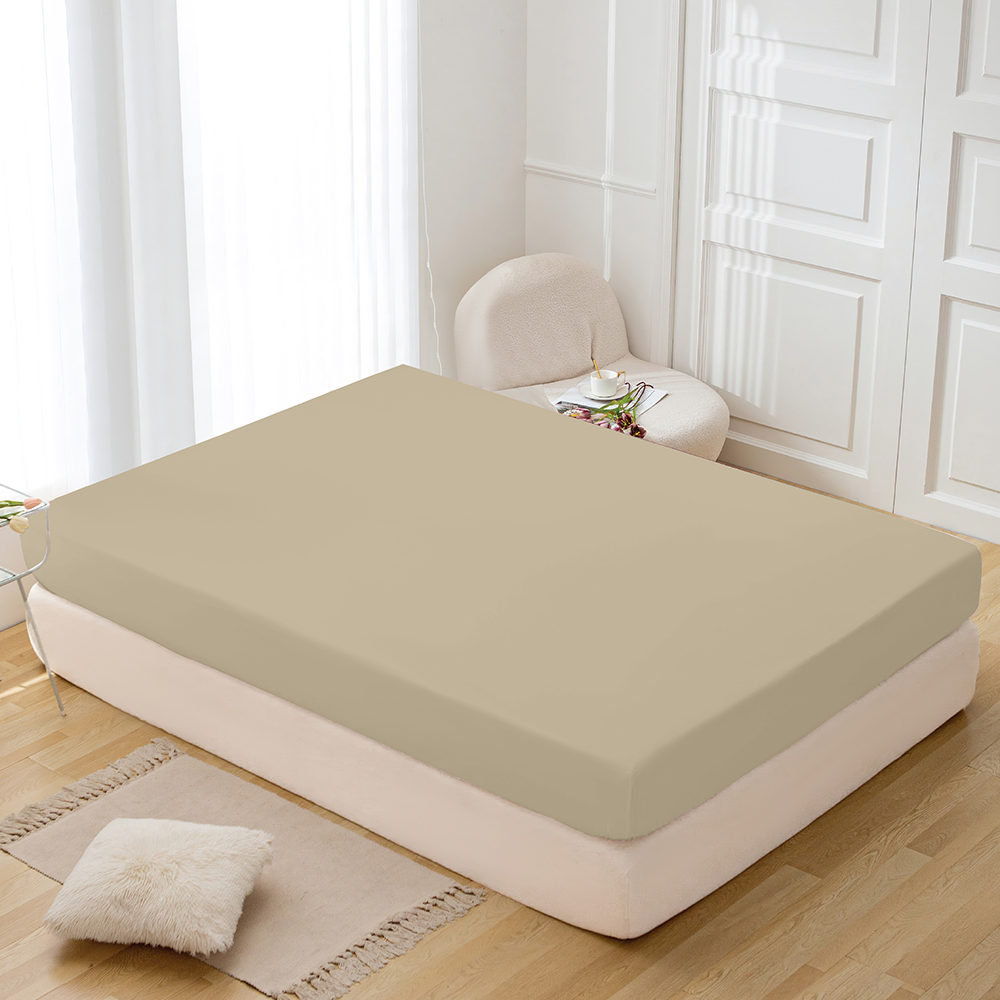
Also pay attention to the weave. Twill is the most common structure in polyester quilting because it hides wrinkles and wears well. Satin-weave polyester feels smoother against the skin, while jacquard adds a raised pattern that gives a more premium look. The backing fabric matters too. A solid reversible quilt that uses different colors on each side gives you two looks in one purchase; check that both sides have a comfortable hand feel. For example, a solid reversible quilt bed cover 3-piece set lets you swap the look by simply flipping the quilt, which saves warehouse space and gives customers more perceived value.
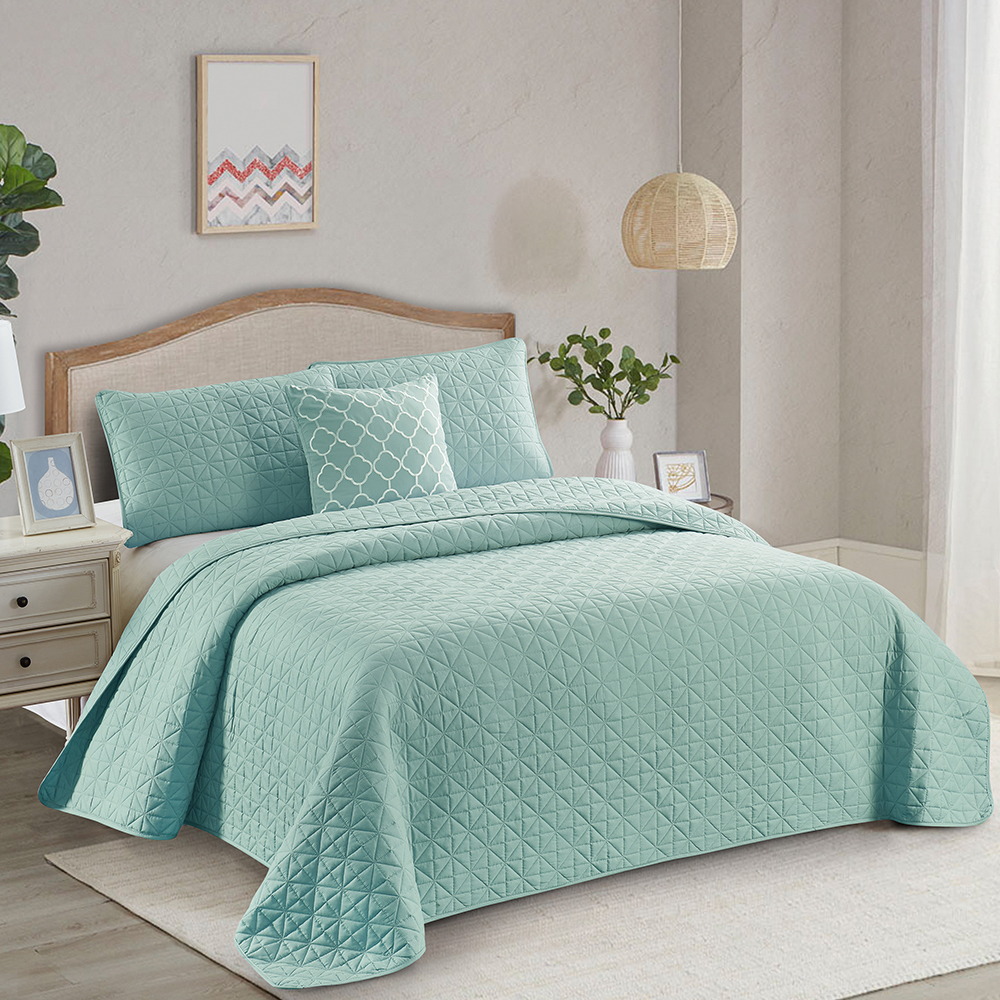 Wholesale 99.99% Polyester solid reversible quilt bed cover 3-pieces set SupplieJiangsu Mengjini Technology Group Co., Ltd. is China Wholesale 99.99% Polyester solid reversible quilt bed cover 3-pieces set Suppliers a...View Product →
Many buyers ask whether thread count really matters in a quilt. The answer depends on the weave and the end use; a closer look at thread count in solid quilt sets can help you decide whether to specify a higher count for your customers.
Printing and Finishing: What Affects Color Fastness and Feel
Printing determines how a polyester quilt looks and how long it keeps that look. Disperse printing is the preferred method for 99.99% polyester fabrics. The dye penetrates the fibers, so the pattern stays soft, colors appear vivid, and the print does not crack or stiffen after washing. Pigment printing sits on the surface and works well for simple, bold designs, but it can feel slightly stiffer and may fade faster if the customer uses hot water.
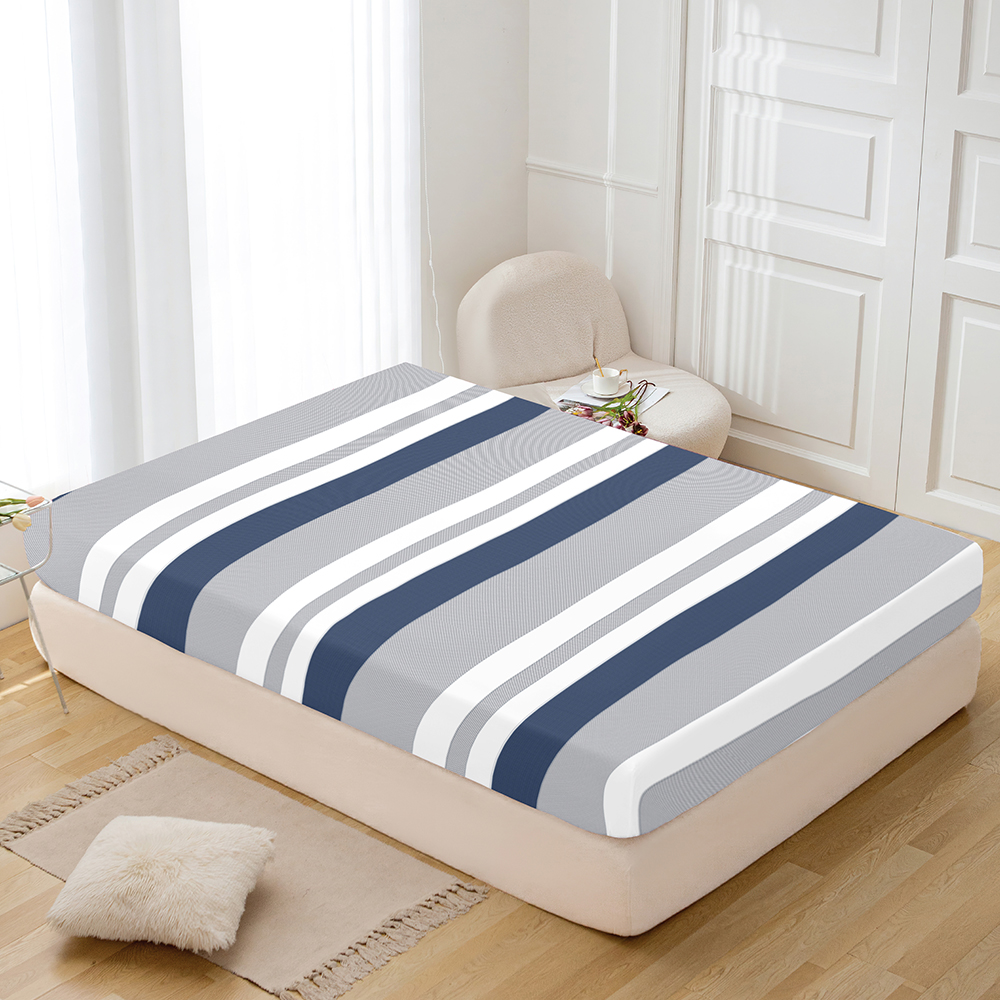
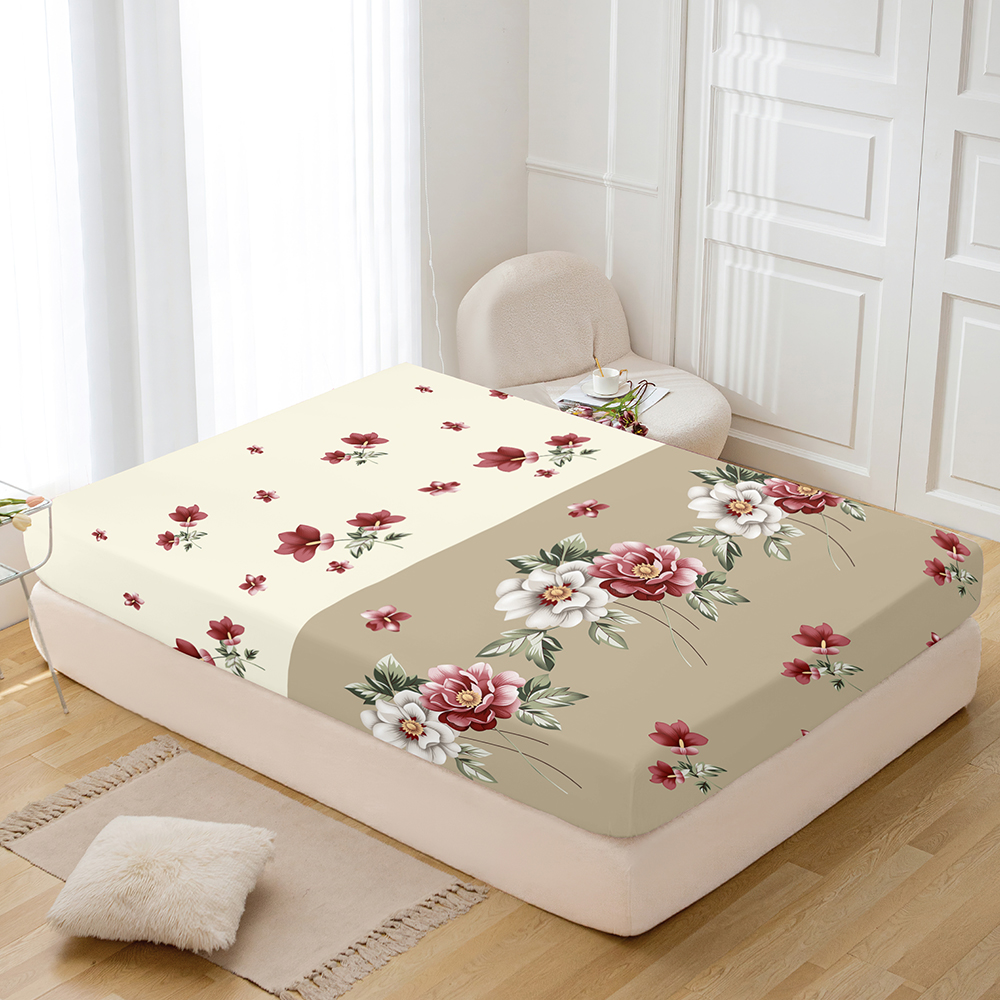
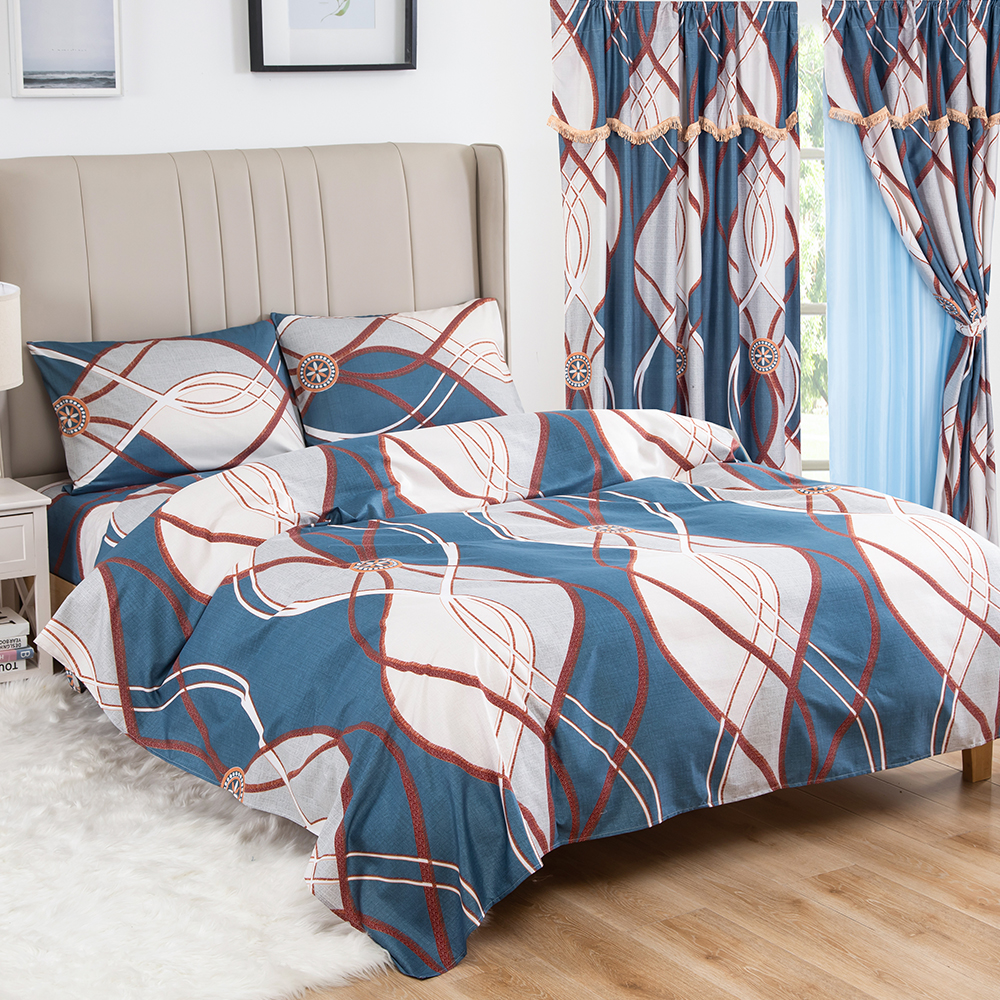
A reversible printed quilt offers an easy way to get two patterns in one product. For example, a printed reversible quilt bed cover 3-piece set pairs one pattern on the front with a different design on the back, giving retailers two SKUs without doubling inventory.
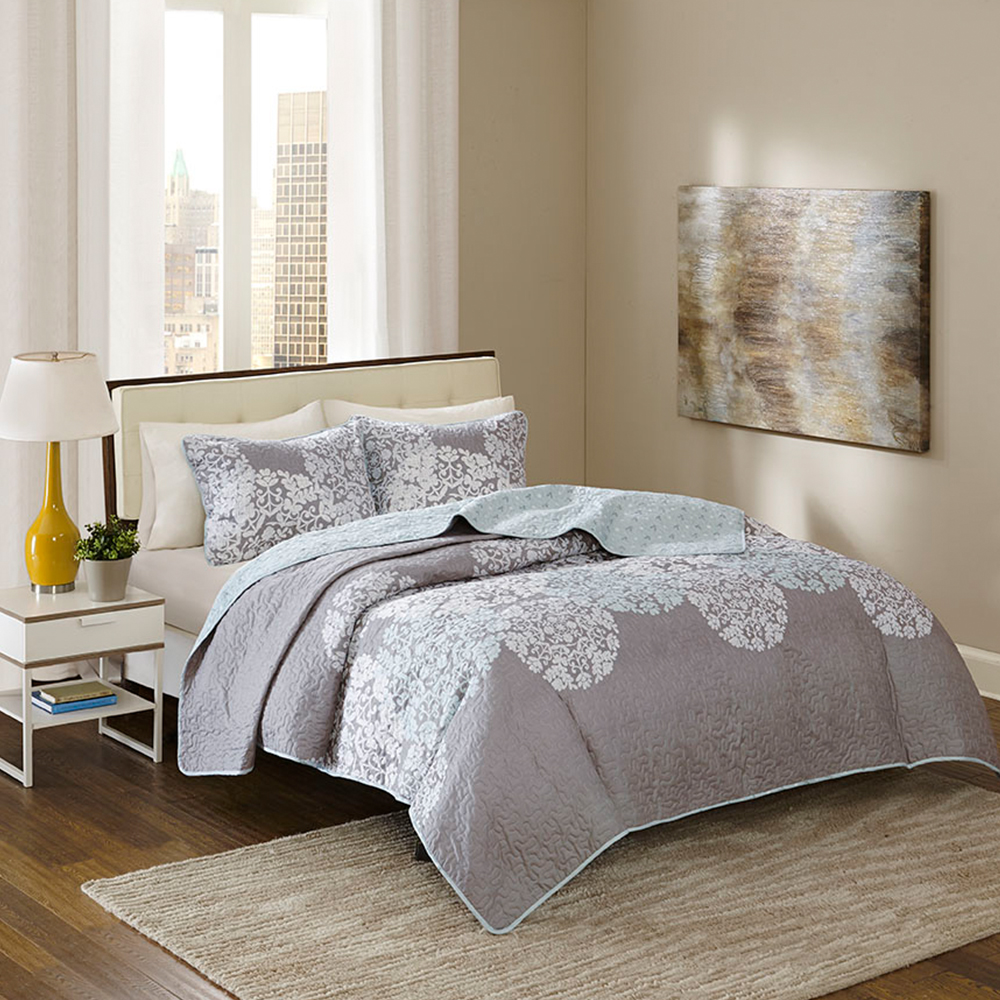 Wholesale 99.99% Polyester printed reversible quilt bed cover 3-pieces set SupplJiangsu Mengjini Technology Group Co., Ltd. is China Wholesale 99.99% Polyester printed reversible quilt bed cover 3-pieces set Suppliers...View Product →
Finishing treatments also change the user experience. A waterproof pinsonic bonded edge can protect the quilt in humid climates. Anti-pilling and anti-static finishes make the fabric smoother and quieter, which is a subtle factor in customer satisfaction.
Care and Maintenance
Polyester quilts are low maintenance, but low maintenance does not mean no maintenance. Tell your customers to wash them in cold or warm water on a gentle cycle and tumble dry on low heat. High heat can melt or deform the polyester fibers, and high spin speeds can shift the filling. Avoid harsh bleach and high-iron settings; if ironing is needed, use a low-temperature setting or steam.
A well-made polyester quilt should hold its shape and print after repeated washes. That is why serious suppliers test colorfastness and shrinkage before shipping. In bulk sourcing, you should specifically ask your supplier for the shrinkage percentage after three washes and the colorfastness rating for the disperse print. If a supplier cannot give those numbers, the product is not production-ready.
For Buyers: How to Place a Smart Bulk Order
Before you place an order for polyester quilts, define the end market. If you are buying for resort properties or warm climates, choose a lighter fabric around 75-85 gsm and avoid thick batting. If you are supplying family homes in colder regions, a 100-115 gsm shell with a medium fill gives more warmth.
Ask for a pre-production sample, not just a swatch. It lets you check the actual hand feel, drape, print sharpness, and stitch quality. Run one wash test on the sample to see shrinkage and wrinkling. Also confirm the product construction: is the quilting stitched through or bonded? Is the fill loose or structured? These details affect how the quilt behaves after months of use.
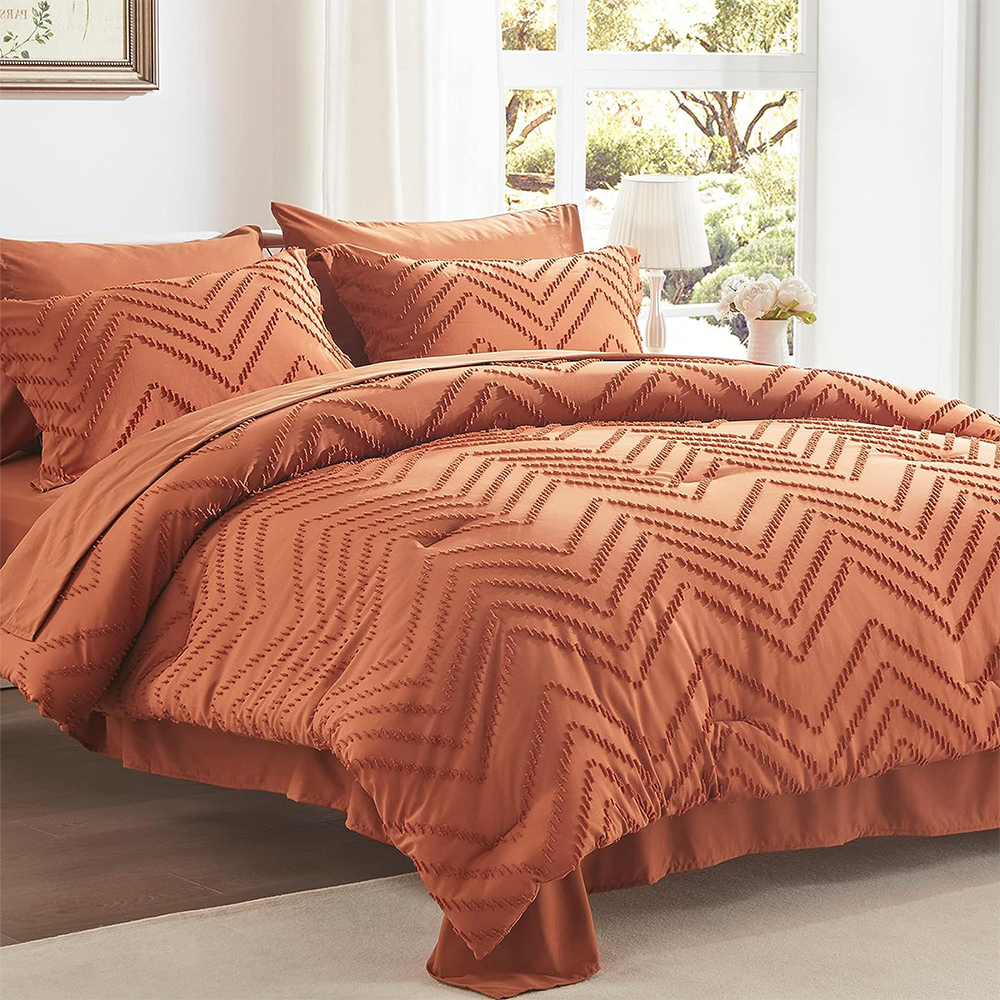
Finally, think about mixability. A supplier that can combine solid, printed, and jacquard designs in one container reduces your unit cost. At our factory, for example, a jacquard yarn-dyed quilt 6-piece set gives you a higher-end alternative to solid colors without switching fabric bases, which simplifies procurement.
 Wholesale 99.99% Polyester jacquard yarn-dyed comforter 6-pieces set Suppliers, Jiangsu Mengjini Technology Group Co., Ltd. is China Wholesale 99.99% Polyester jacquard yarn-dyed comforter 6-pieces set Suppliers and F...View Product →
The polyester quilt is neither an automatic no nor an automatic yes. It is a material story that depends on weight, weave, and printing. When you understand those variables, you can source confidently, choose the right product for your market, and explain the benefits to your own customers without overpromising. Look for transparent specifications, ask for samples, and verify the wash test. That is how you turn a modest material into a dependable product.
 previous post