

 English
 русский
 Español
Printing Quilt Set Explained: Fabrics, Techniques & Design Trends
Printing Quilt Set: Clear Overview and Practical Value
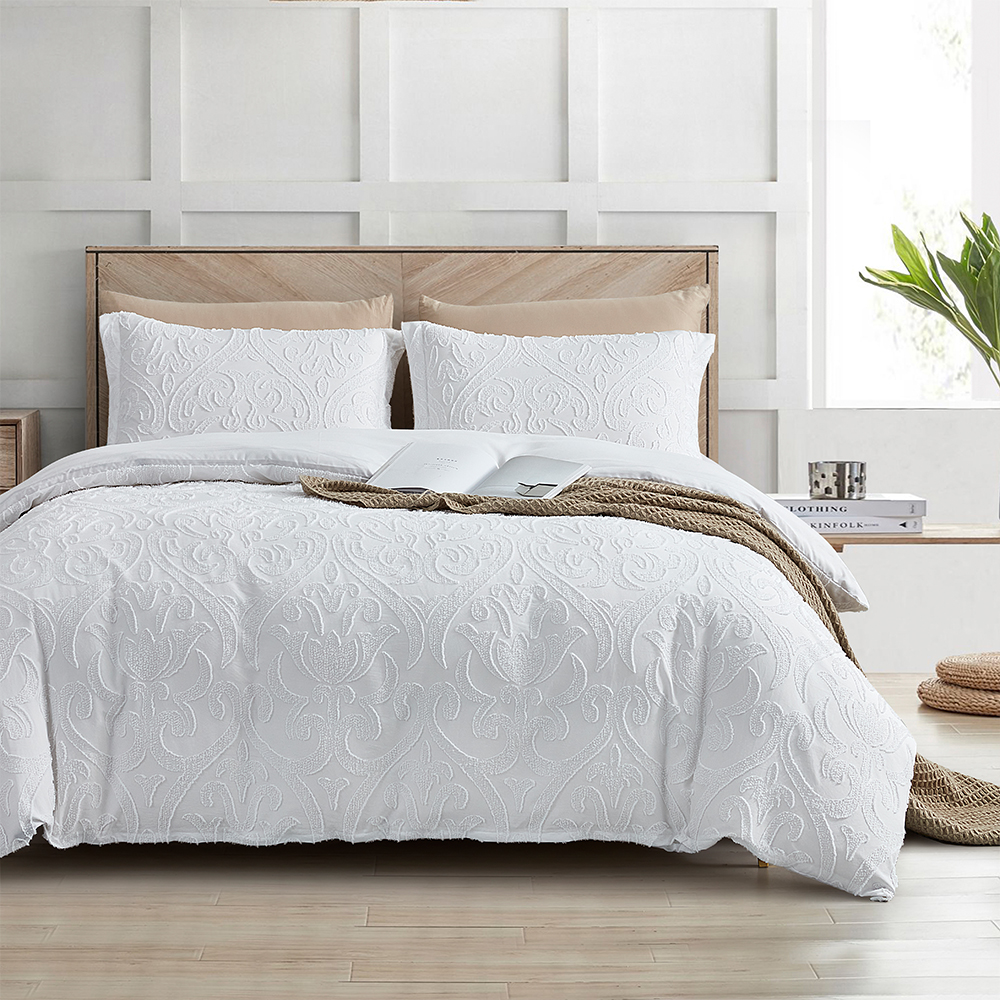
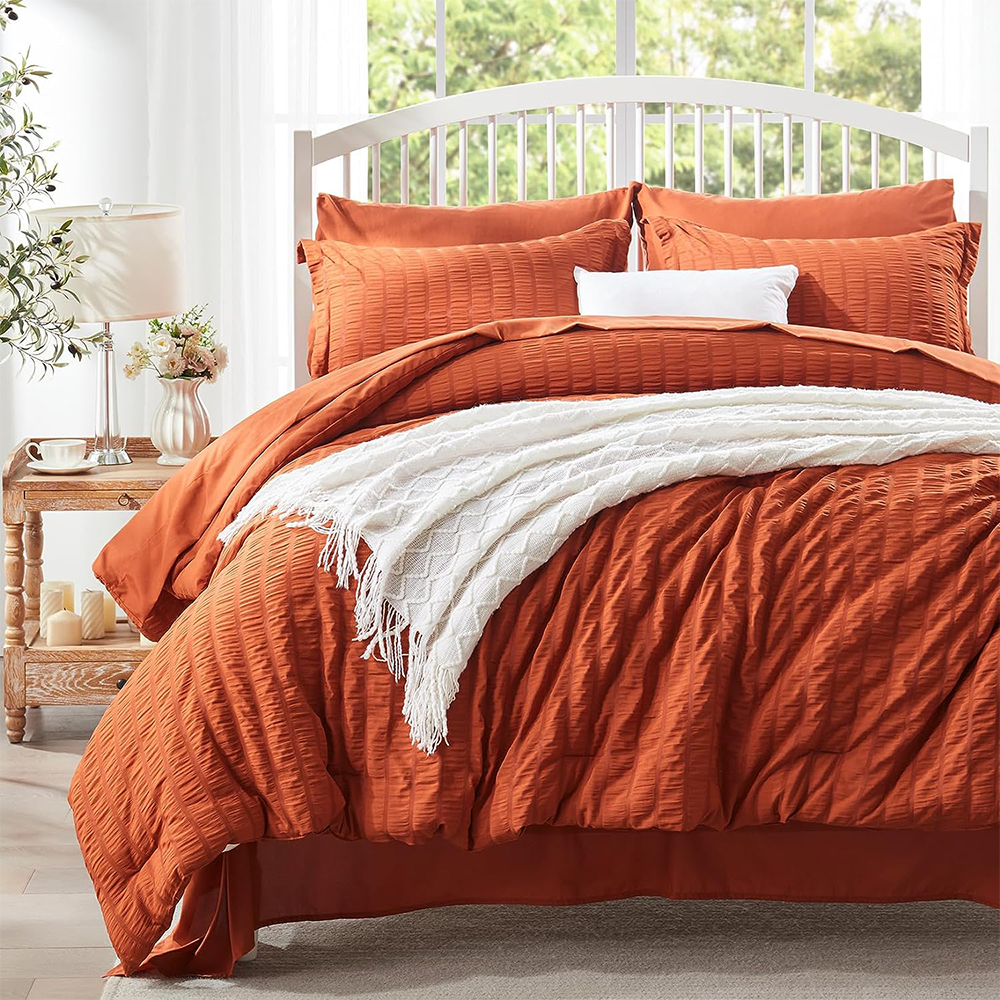
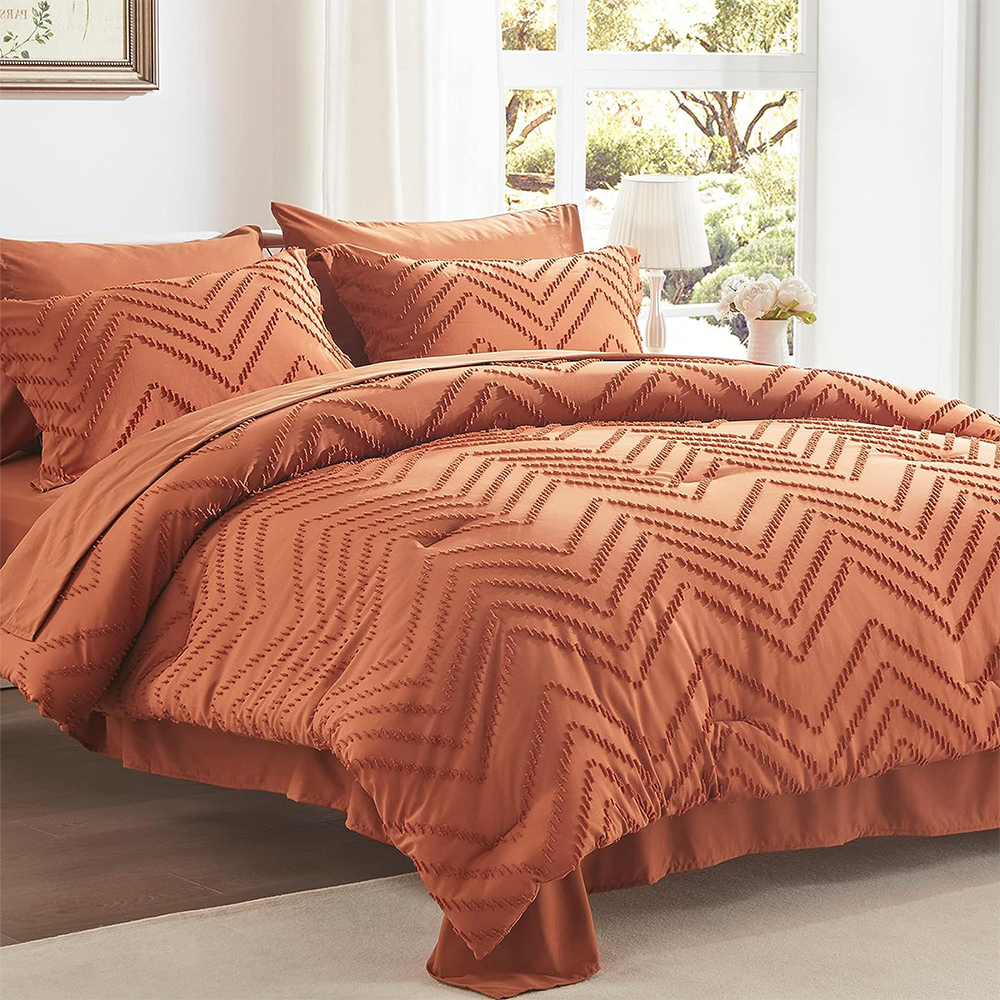
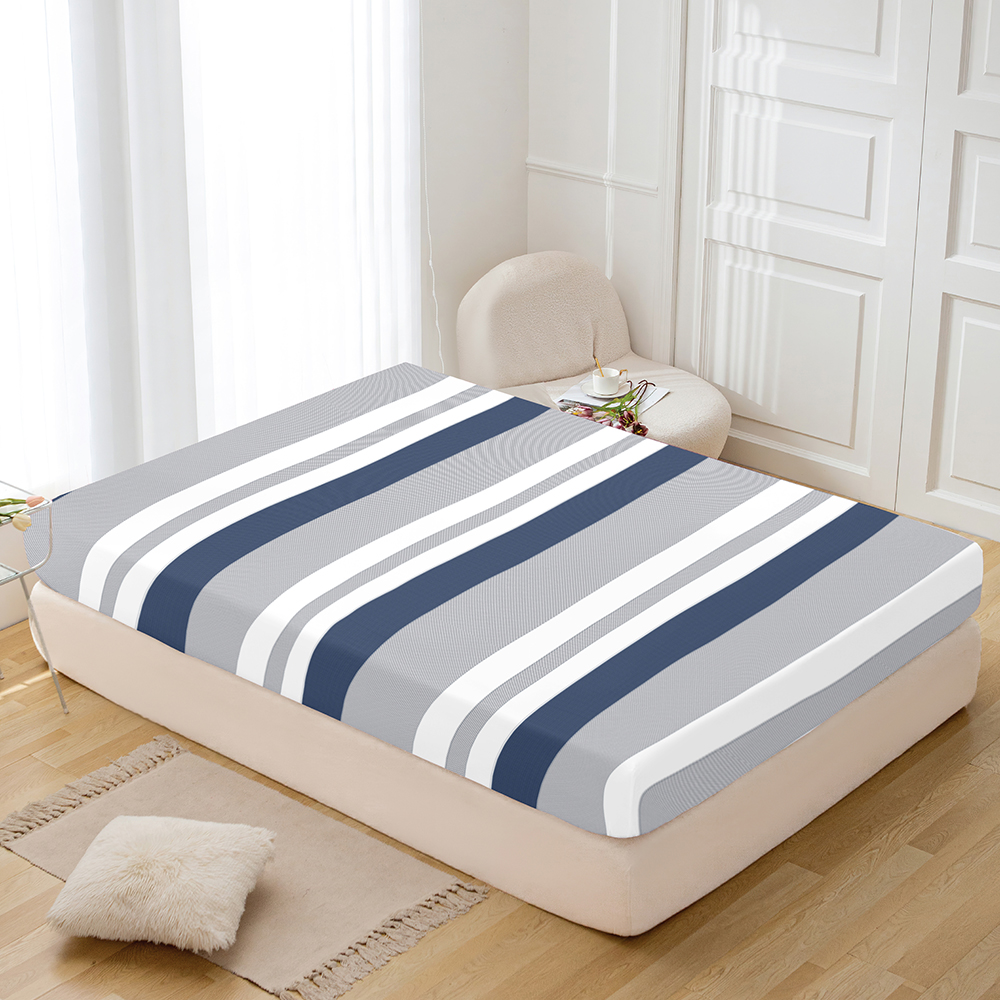
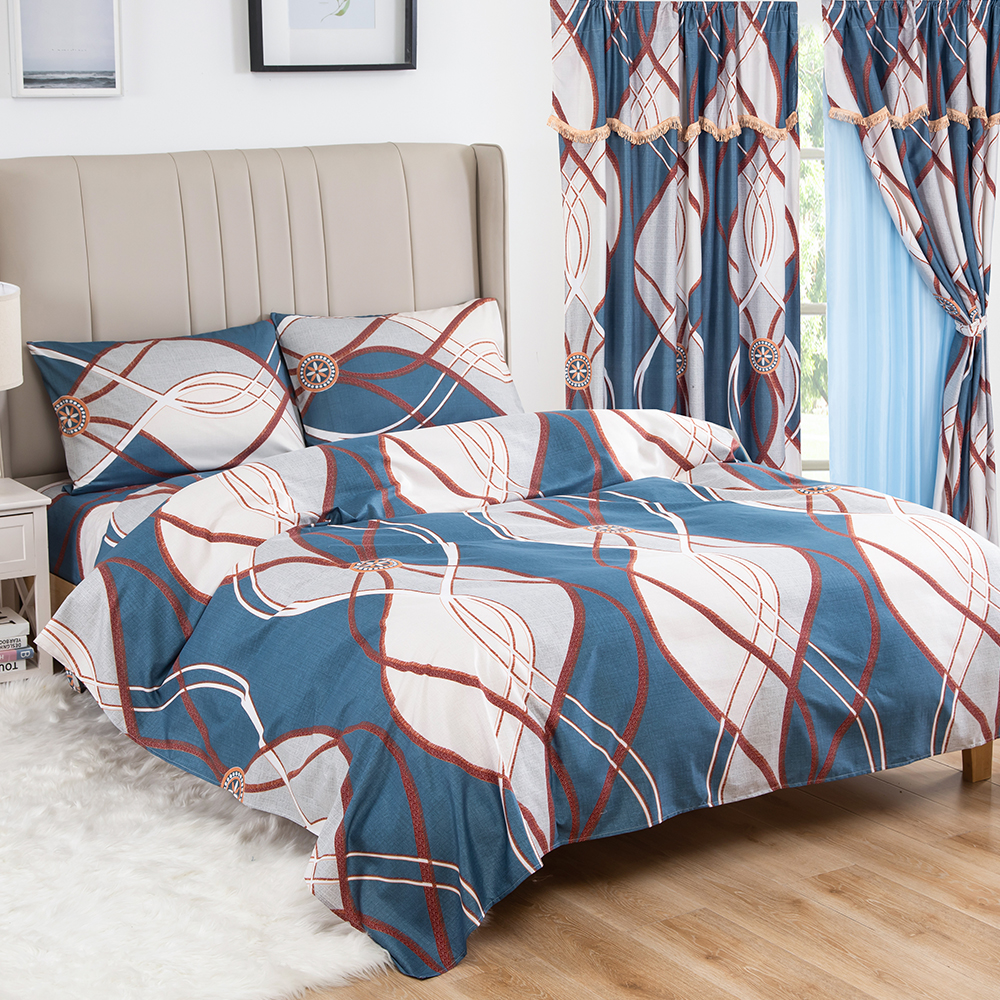
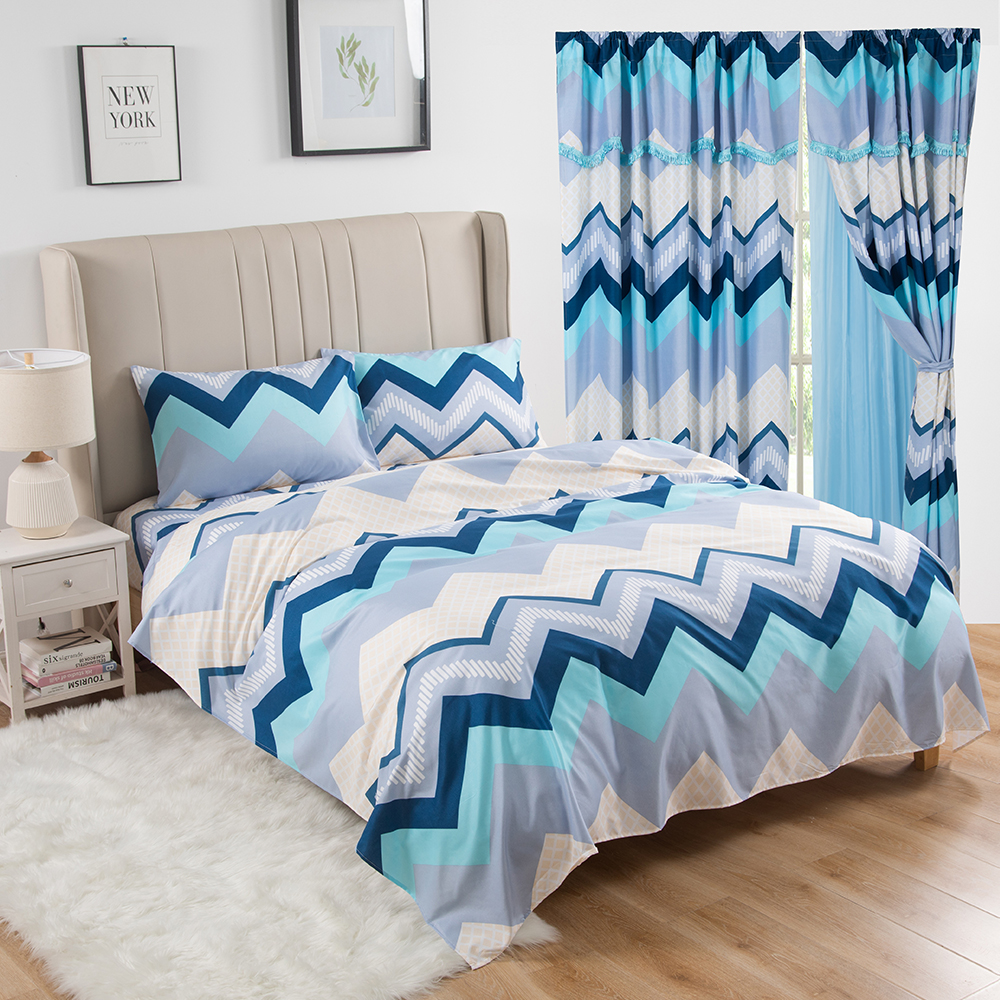
A printing quilt set is a coordinated bedding set featuring printed fabric designs applied through digital, reactive, or pigment printing techniques on quilt covers and matching pillowcases.
These sets combine decorative aesthetics with functional bedding performance, typically using microfiber, cotton, or polyester blends, offering both comfort and visual customization for modern bedrooms.
Core Structure of a Printing Quilt Set
A standard printing quilt set usually includes multiple coordinated bedding components designed for both style and practicality.
Typical Components
- Printed quilt cover with decorative surface design
- Inner quilt or duvet insert (in some sets)
- Matching pillowcases (1–2 pieces or more)
- Optional bedsheet depending on set configuration
Most retail printing quilt sets are sold in 3-piece or 4-piece configurations, with queen and king sizes dominating global demand.
Fabric Materials Used in Printing Quilt Sets
The fabric base determines comfort, durability, and print clarity in quilt sets.
| Fabric Type | Texture | Durability | Print Quality |
|---|---|---|---|
| Cotton | Soft & breathable | High | Excellent color absorption |
| Microfiber | Smooth & lightweight | Medium–High | Sharp digital prints |
| Polyester Blend | Wrinkle-resistant | Very High | Vibrant colors |
Cotton remains the premium choice for comfort, while microfiber dominates cost-efficient mass production due to its smooth printing surface.
Printing Techniques Used in Quilt Sets
Different printing methods directly affect design detail, durability, and production efficiency.
Digital Printing
Uses inkjet technology to print high-resolution patterns directly onto fabric. Ideal for complex designs and photographic imagery.
Reactive Printing
Common in cotton fabrics, this method chemically bonds dyes with fibers for long-lasting color retention.
Pigment Printing
A cost-effective method where pigments sit on the fabric surface, offering quick production and strong color variety.
Digital printing now accounts for over 55% of premium quilt set production due to its superior detail accuracy.
Design Trends in Printing Quilt Sets
Modern bedding design trends are strongly influenced by lifestyle aesthetics and interior decoration styles.
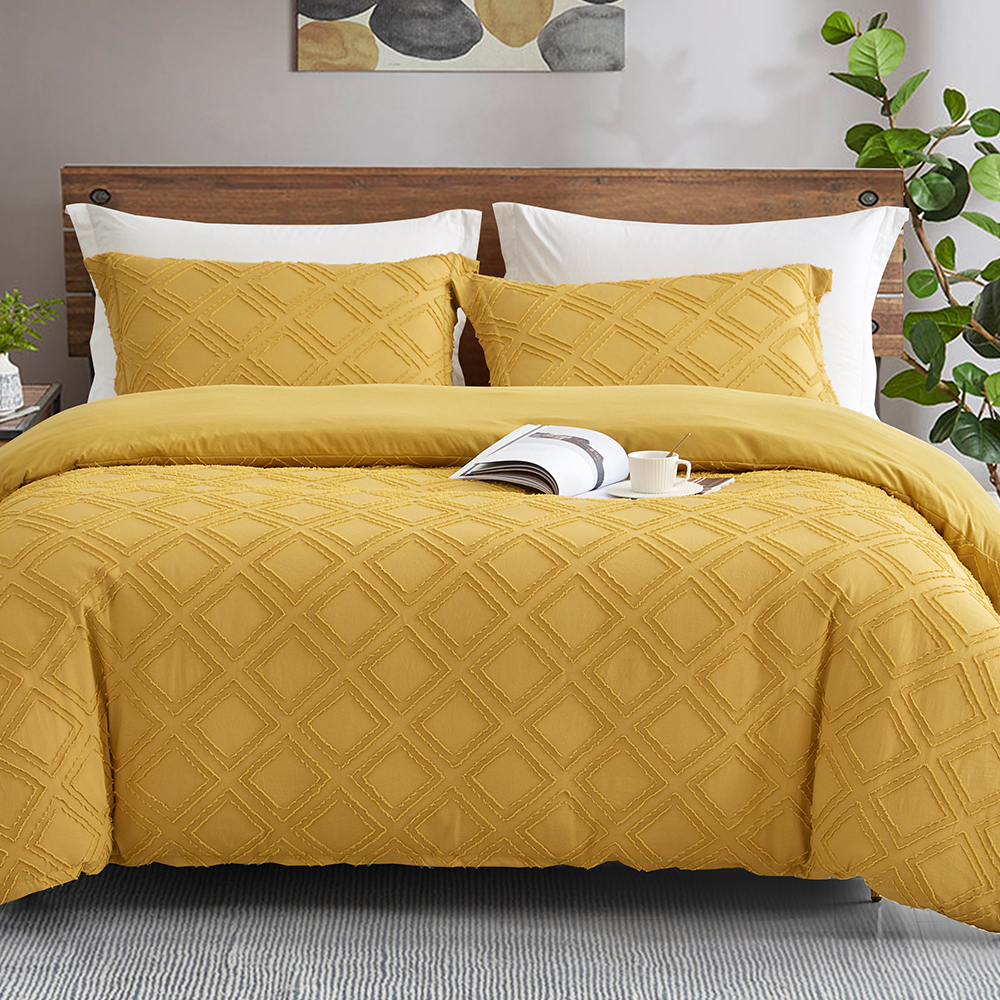
- Minimalist geometric patterns for modern bedrooms
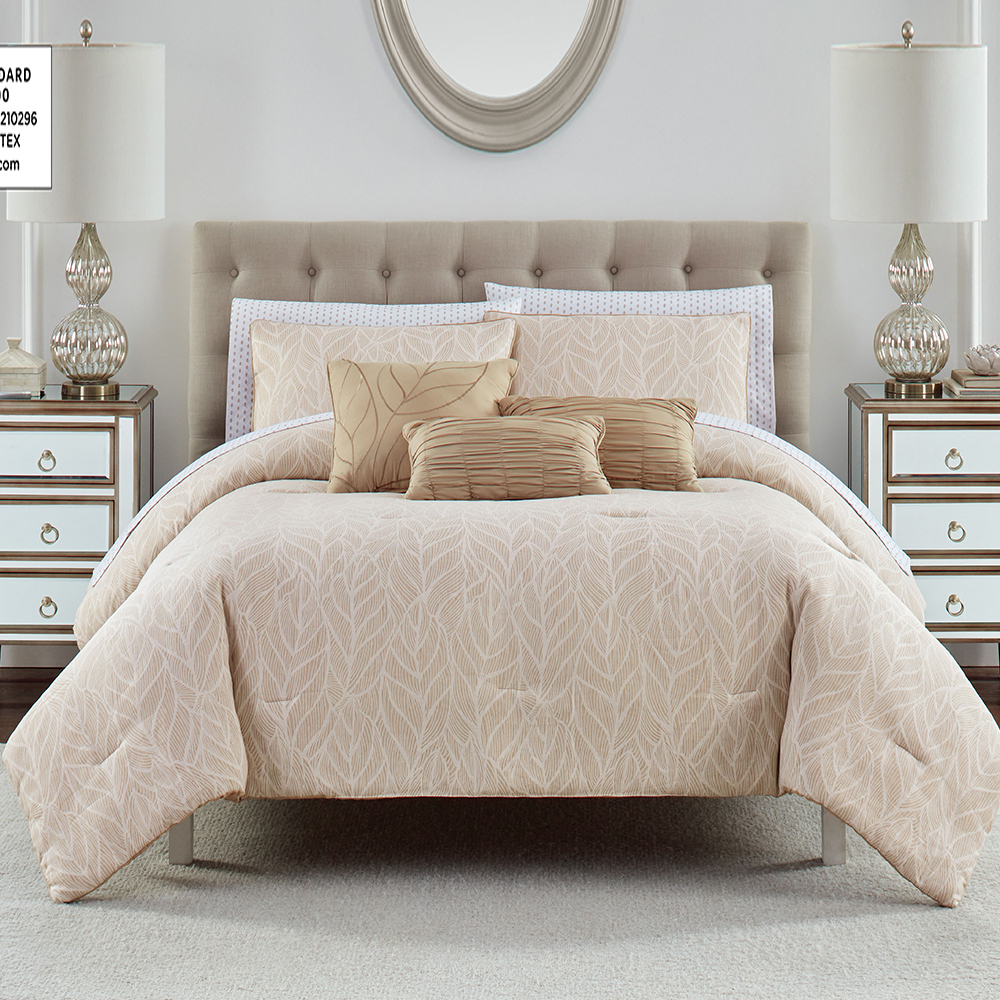
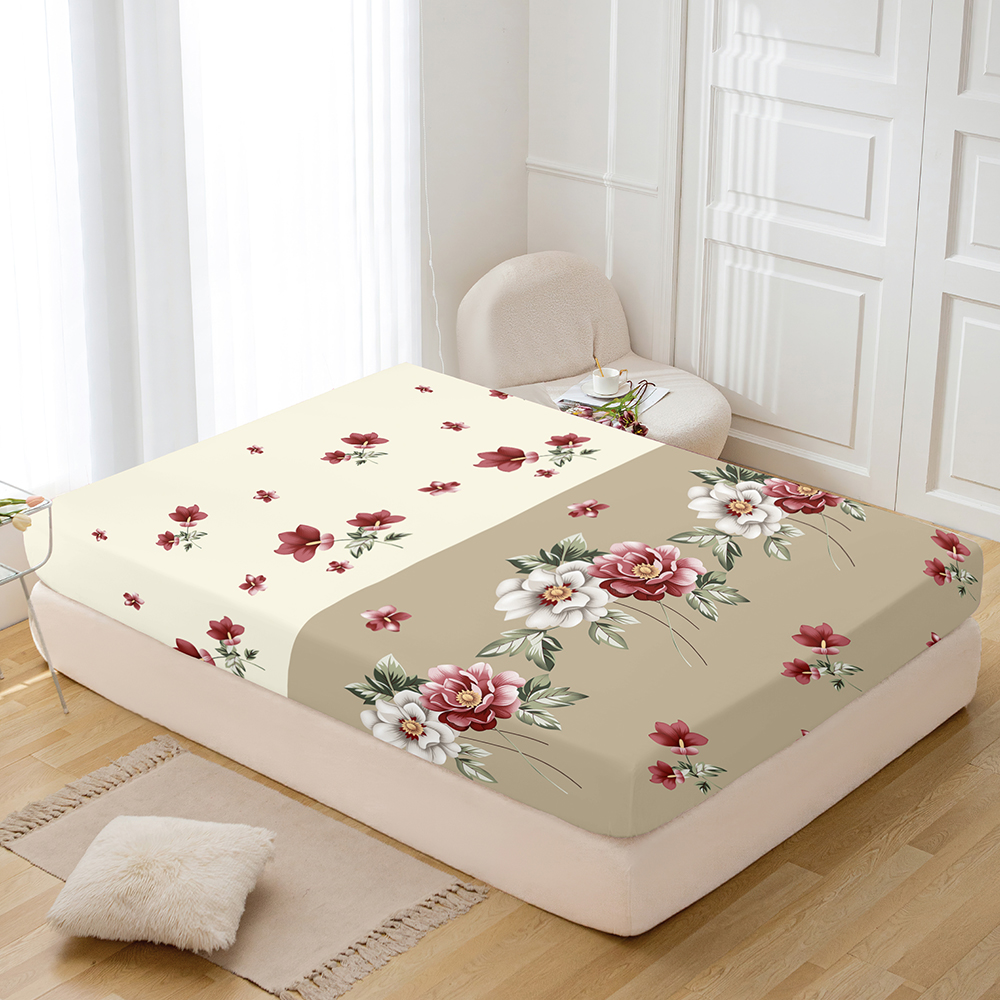
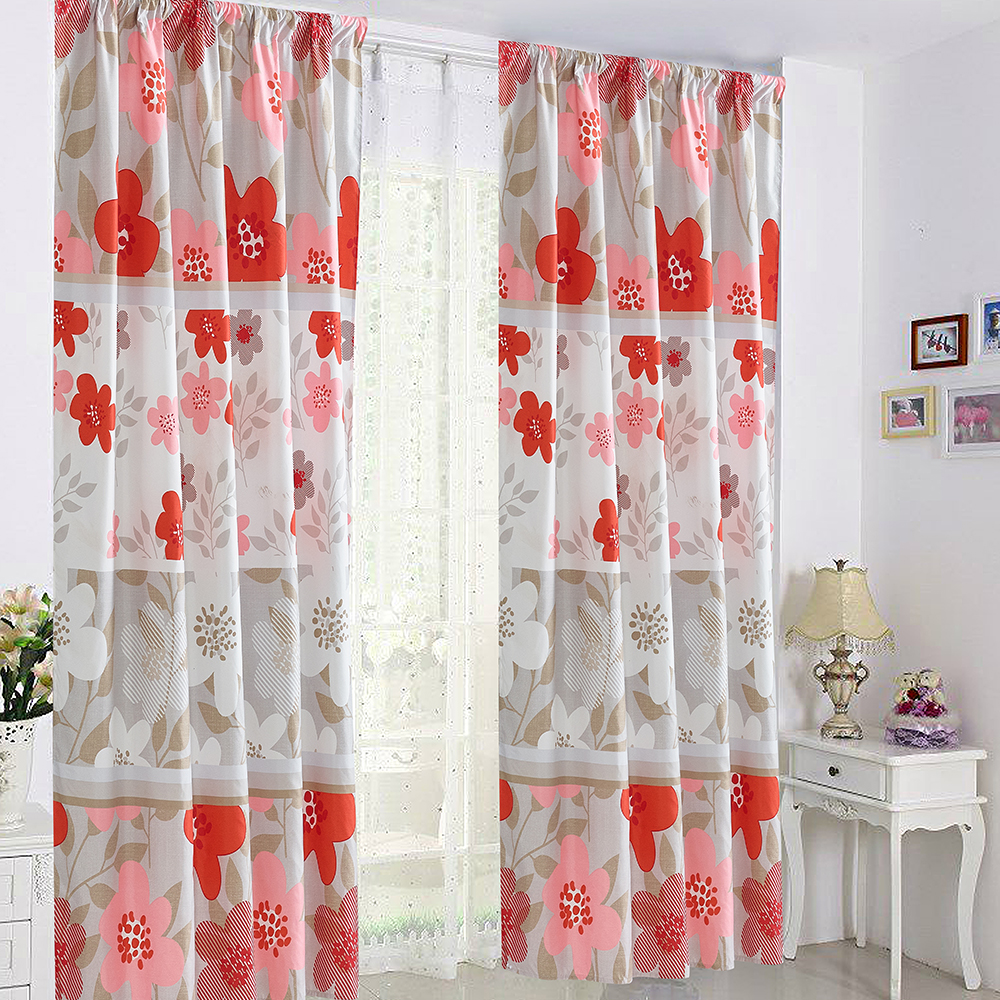
- Botanical and floral prints for natural themes
- 3D printed visual depth effects
- Children’s cartoon and fantasy themes
In European and North American markets, neutral-toned minimalist designs represent nearly 40% of total sales.
Functional Advantages of Printing Quilt Sets
Beyond visual appeal, printed quilt sets provide practical bedding benefits.
- Enhances bedroom interior aesthetics
- Machine washable and easy to maintain
- Wide seasonal design adaptability
- Cost-effective compared to embroidered bedding
Printed quilt sets reduce production cost by up to 30% compared to embroidered alternatives while maintaining strong decorative value.
Selection Factors for Buyers
Choosing the right printing quilt set depends on material quality, printing method, and usage needs.
- Fabric breathability and comfort level
- Colorfastness and wash resistance
- Thread count and fabric density
- Design compatibility with interior décor
Higher thread count fabrics, typically above 200–400 TC, offer better softness and durability for long-term use.
 previous post