

 English
 русский
 Español
Transforming Fabric Production: The Role of Modern Home Textile Factories in Today's Market
The Significance of Home Textile Factories
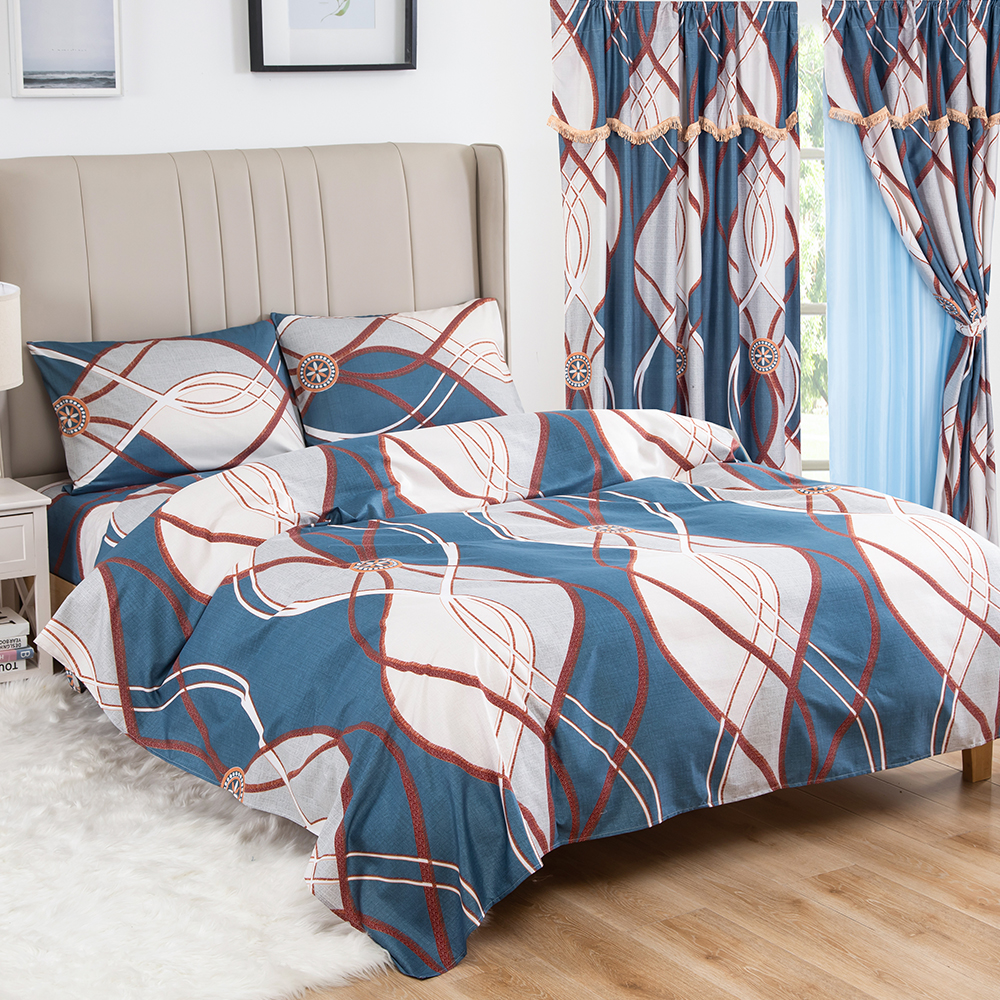
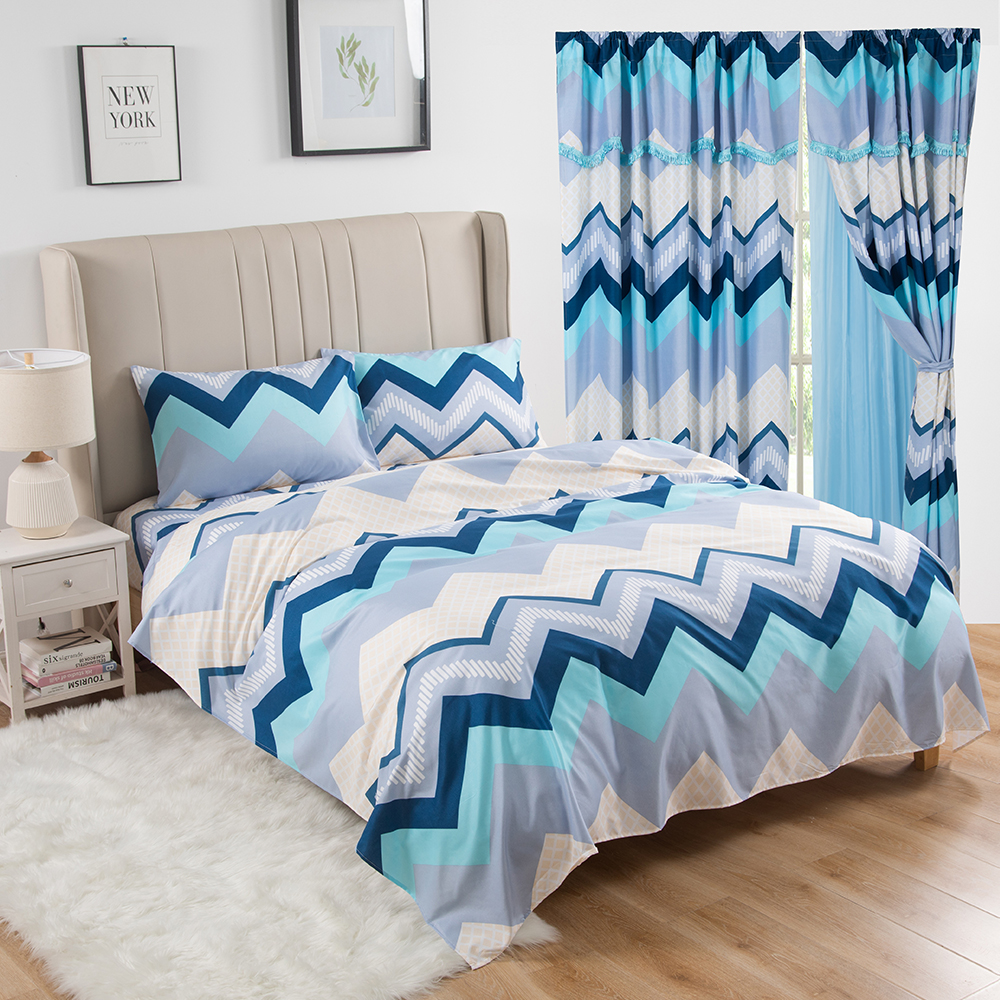
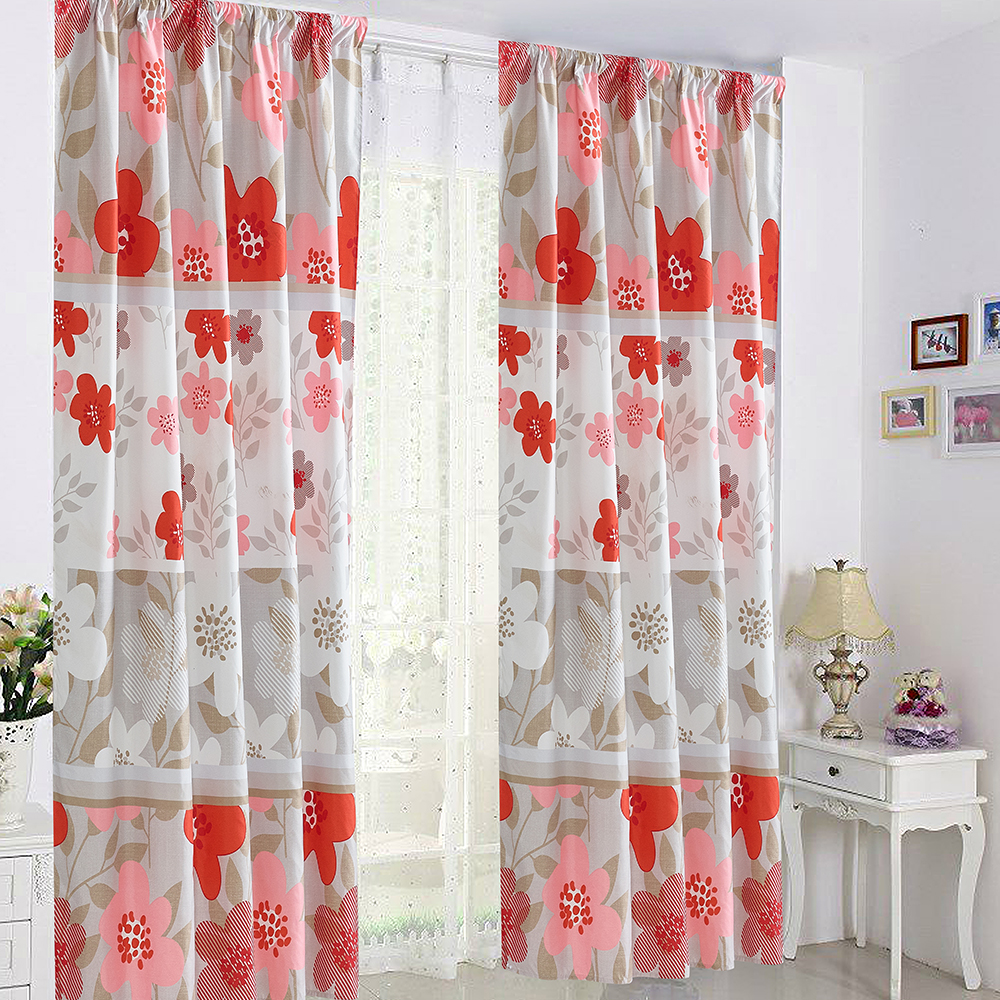
Home textile factories are central to producing high-quality fabrics and finished products that meet consumer demands for comfort, durability, and style. These factories combine modern machinery, skilled labor, and efficient production processes to deliver products like bed linens, curtains, towels, and upholstery fabrics.
By streamlining production and integrating quality control at each stage, home textile factories ensure consistency, reduce waste, and enhance profitability for textile businesses.
Core Manufacturing Processes
The operations in a home textile factory encompass a series of precise steps from raw material selection to final packaging.
Key Processes
- Yarn Selection: Choosing high-quality cotton, polyester, or blended yarns based on product requirements.
- Weaving and Knitting: Transforming yarn into fabrics using modern looms and knitting machines for different textures and patterns.
- Dyeing and Printing: Applying color treatments and designs using eco-friendly dyes and advanced printing techniques.
- Finishing: Treating fabrics to enhance softness, durability, and resistance to shrinkage or wrinkling.
- Cutting and Sewing: Producing final products like bedsheets, curtains, and pillow covers with precision and consistency.
Equipment and Technology in Home Textile Factories
Modern home textile factories rely on cutting-edge machinery and digital technology to maintain high standards of quality and efficiency.
Essential Machinery
- Automated Looms: Capable of producing complex weaves with minimal manual intervention.
- Knitting Machines: For elastic fabrics, mattress covers, and knitted textiles.
- Digital Printing Machines: Achieve precise patterns and customized designs with reduced dye waste.
- Automated Cutting Tables: Ensure accuracy in sizing and reduce material loss.
- Sewing Robots: Improve stitching consistency and speed in high-volume production lines.
Quality Control Measures
Maintaining high quality in home textiles is critical for customer satisfaction and brand reputation. Factories implement stringent quality checks throughout production.
Key Quality Practices
- Material Inspection: Verifying raw yarn and fabric for strength, uniformity, and color consistency.
- Process Monitoring: Continuous checks during weaving, knitting, and dyeing for defects or inconsistencies.
- Final Product Testing: Evaluating finished textiles for shrinkage, colorfastness, and durability.
- Packaging Verification: Ensuring products are properly folded, labeled, and protected for shipping.
Sustainability in Home Textile Factories
Environmental sustainability has become a priority in the home textile industry. Leading factories adopt eco-friendly processes and energy-efficient equipment.
Sustainable Practices
- Eco-Friendly Dyes: Use of water-based and low-impact dyes to reduce chemical pollution.
- Waste Minimization: Reusing fabric scraps and recycling yarn to lower waste output.
- Energy Efficiency: Installing LED lighting, high-efficiency motors, and automated systems to reduce power consumption.
- Water Management: Implementing wastewater treatment and closed-loop dyeing systems.
Trends Driving the Home Textile Industry
The home textile sector is evolving rapidly with market trends emphasizing innovation, customization, and smart textiles.
Emerging Trends
- Smart Fabrics: Incorporating anti-microbial, temperature-regulating, and stain-resistant materials.
- Customization: Offering personalized patterns and sizes for niche markets and boutique brands.
- Global Export Growth: Expanding international markets through online platforms and trade partnerships.
- Automation and Industry 4.0: Using AI-driven production scheduling, robotics, and data analytics to optimize manufacturing efficiency.
Key Performance Metrics
Evaluating factory performance helps manufacturers enhance efficiency, reduce costs, and maintain high quality.
| Metric | Target Value | Measurement Frequency |
|---|---|---|
| Fabric Defect Rate | ≤ 1% | Daily |
| Production Efficiency | ≥ 85% | Weekly |
| Energy Consumption | Reduced by 15% per year | Monthly |
 previous post