

 English
 русский
 Español
Solid Comforter Set vs Patterned Bedding: A Design Shift Redefining Modern Bedrooms
Direct Choice Insight: Why Solid Comforter Sets Lead in Modern Bedroom Design
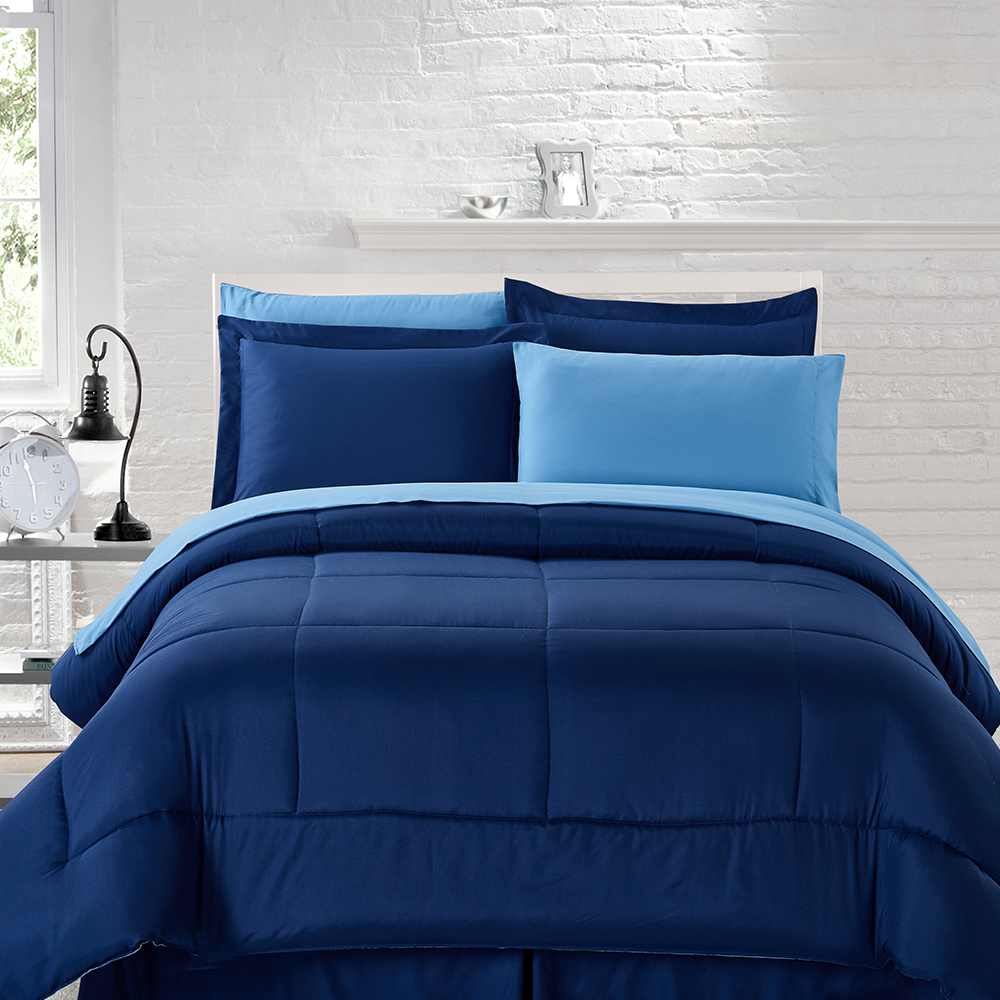
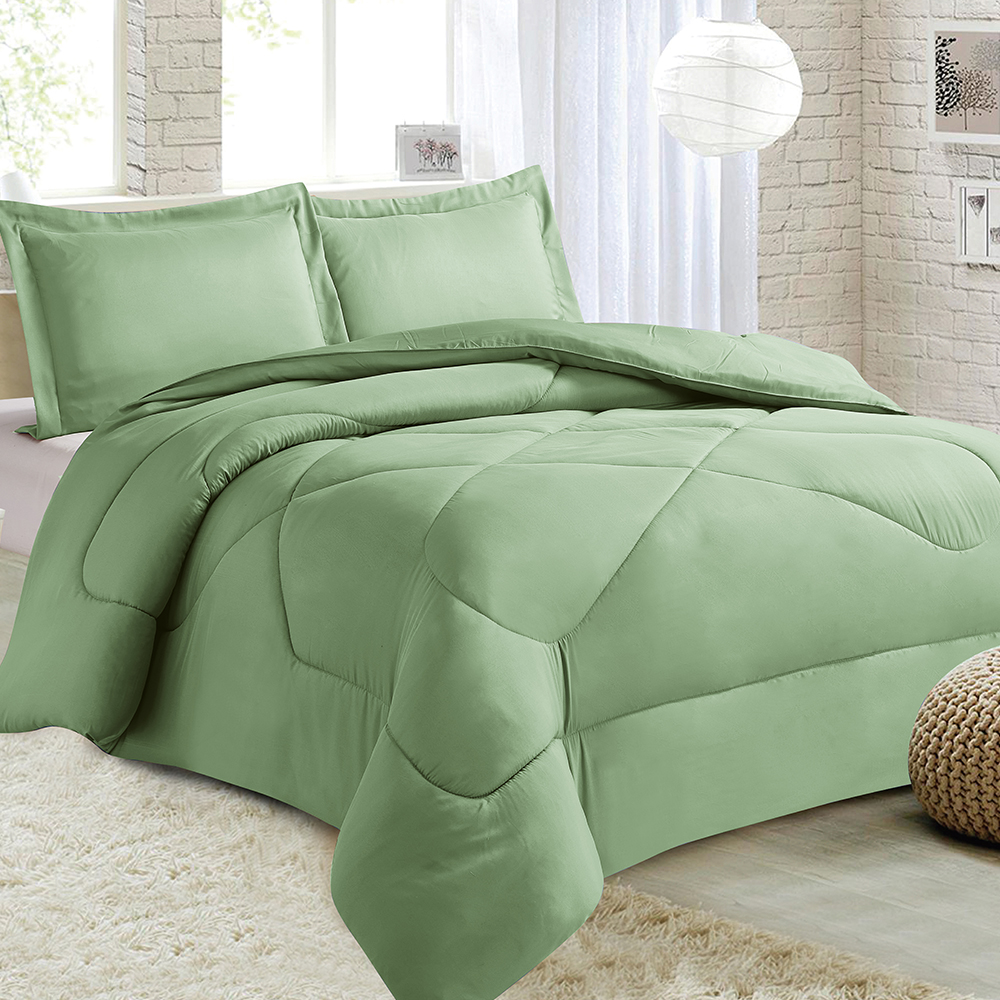
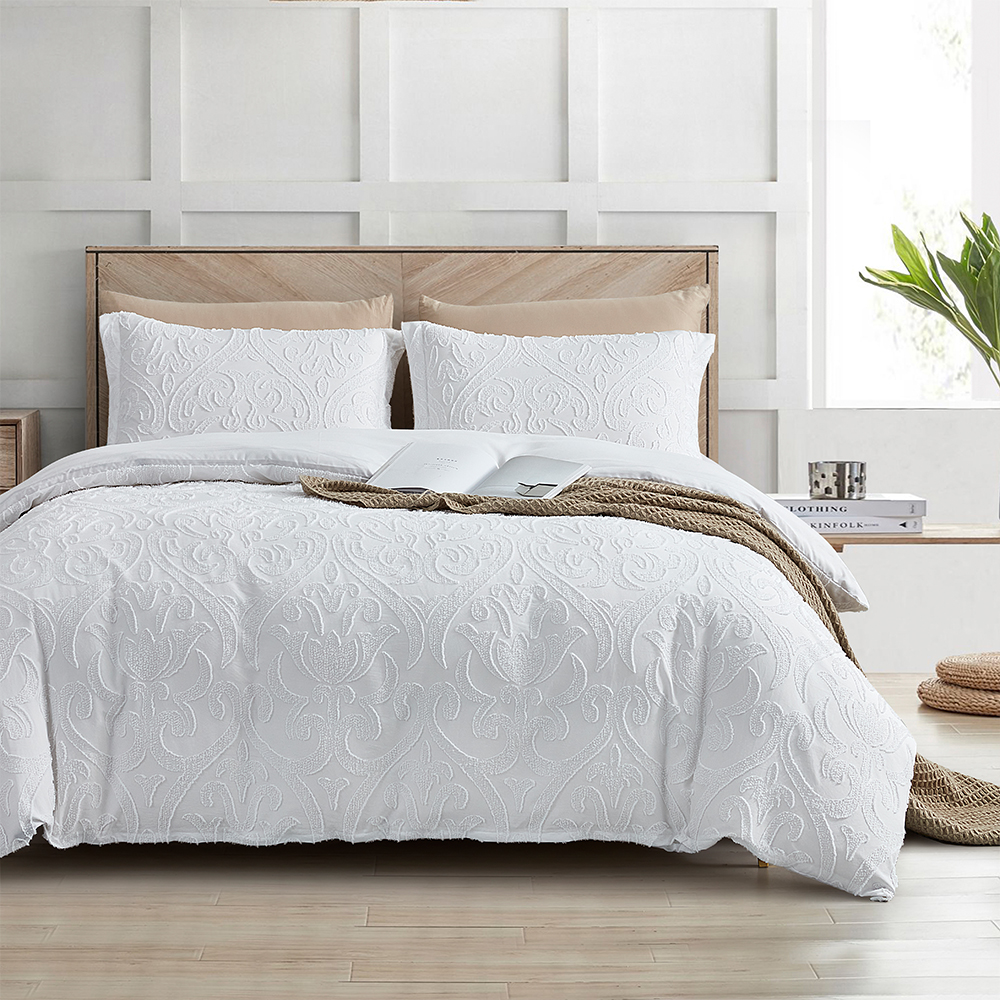
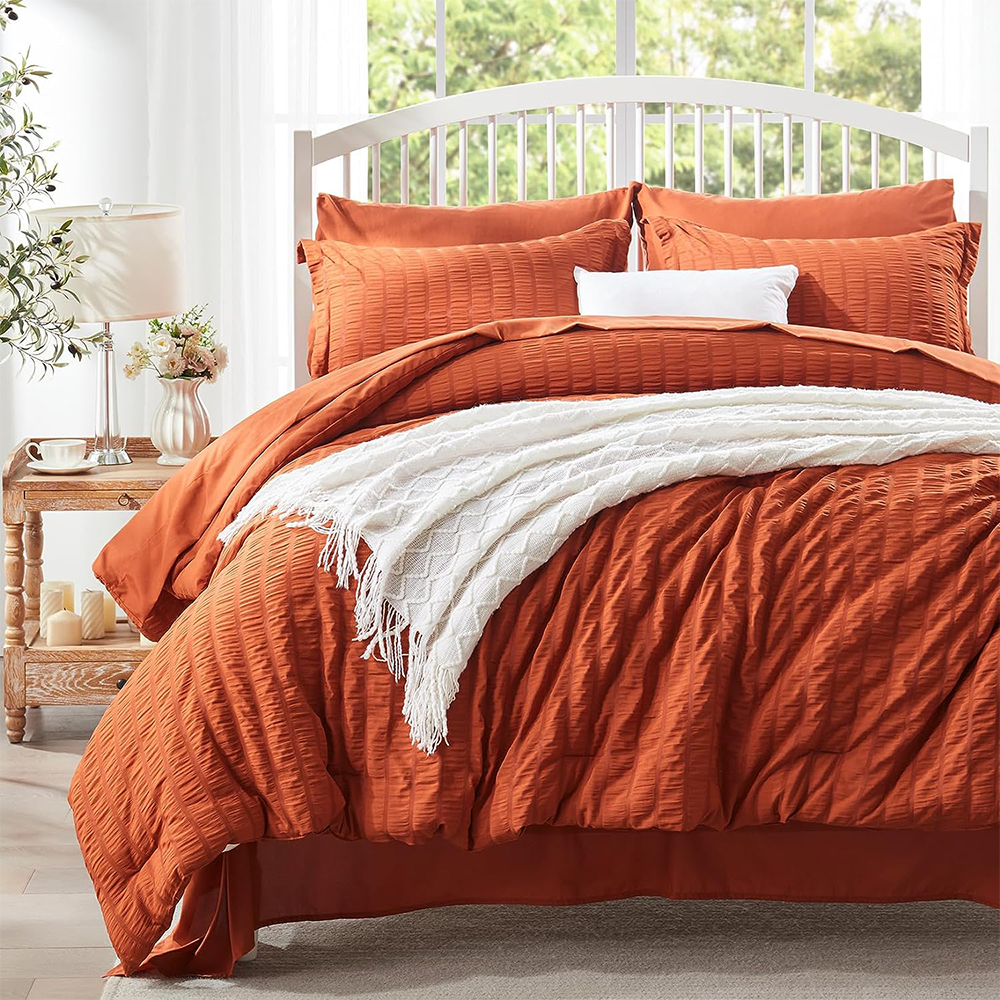
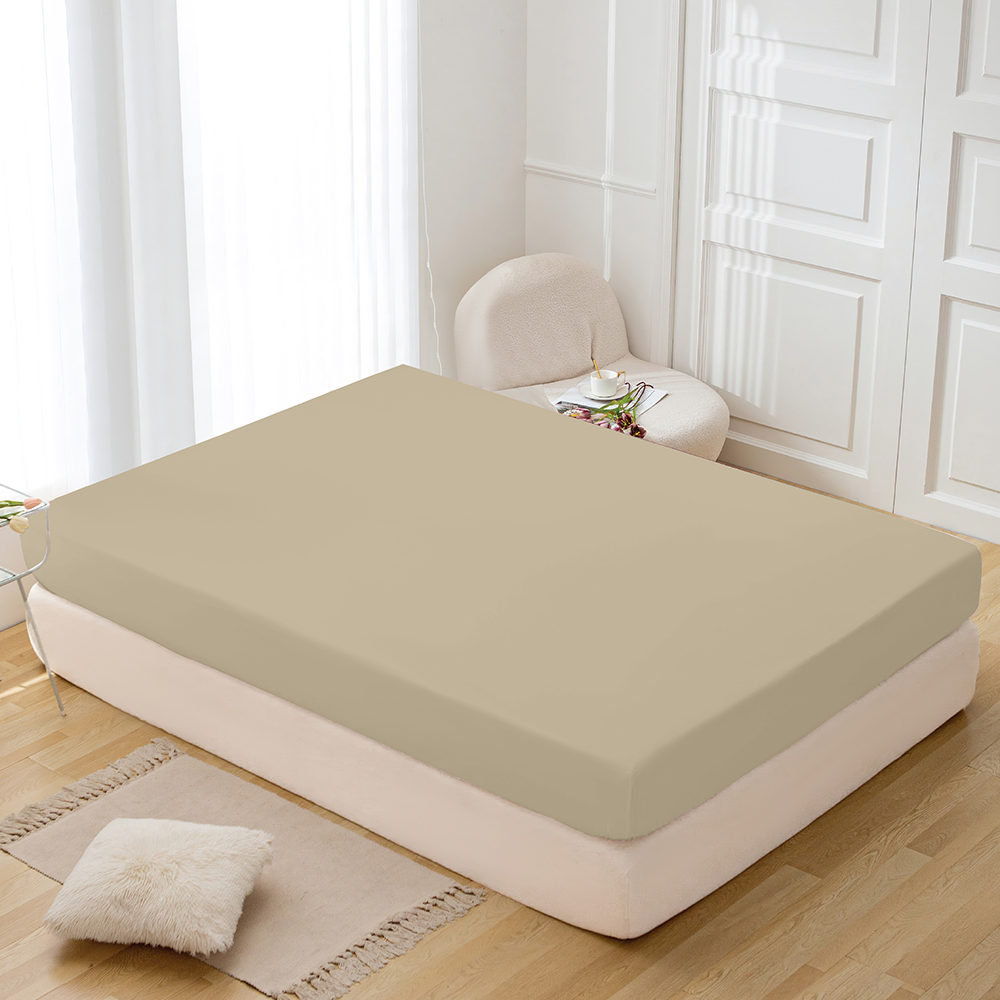
A solid comforter set delivers the most versatile and long-term adaptable bedding solution for most bedroom environments. Compared with patterned alternatives, it provides greater visual flexibility, easier coordination with interior decor, and longer-lasting aesthetic relevance, especially in minimalist and contemporary spaces.
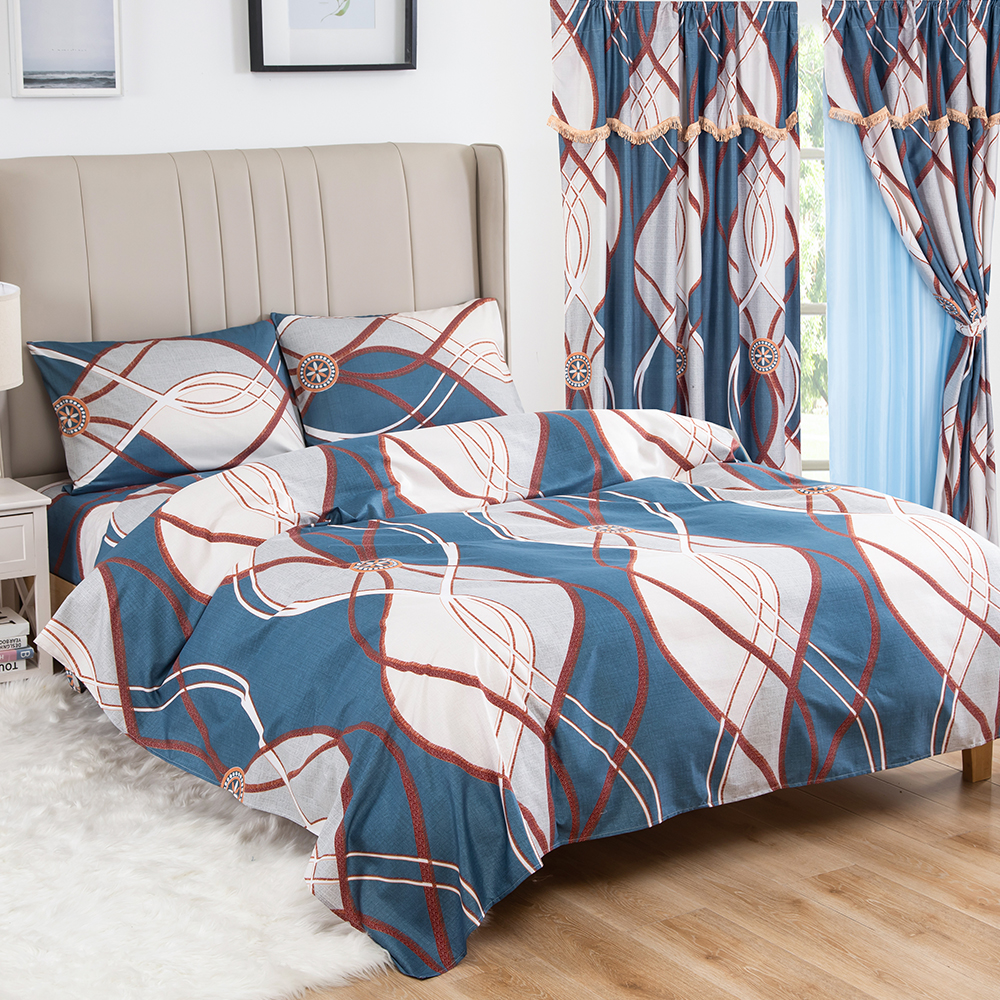
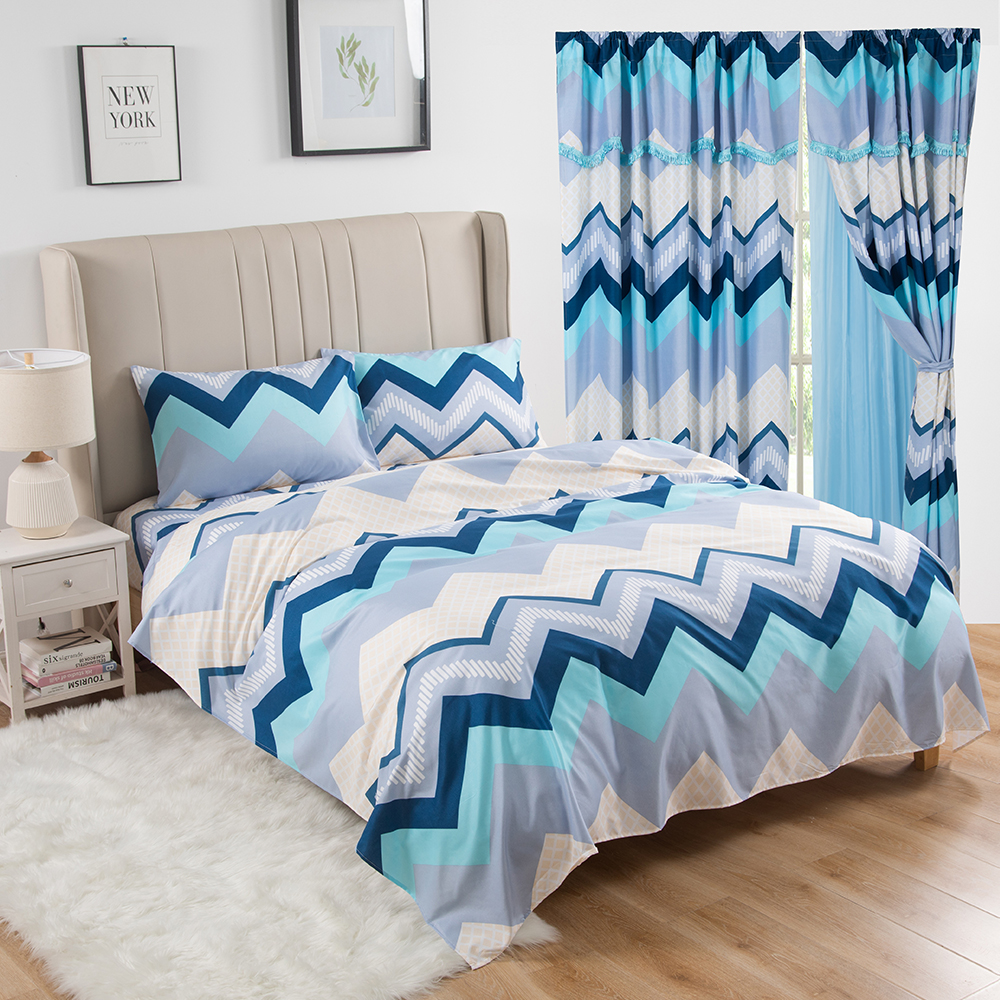
While patterned bedding often creates strong visual identity, it can quickly become outdated or difficult to match with evolving room styles. Solid designs, by contrast, act as a neutral foundation, allowing users to modify accessories such as cushions, curtains, and rugs without replacing the entire bedding system.
In interior furnishing surveys across residential bedroom setups, over 62% of designers prefer solid comforter sets for long-term projects due to their adaptability and reduced redesign frequency.
Design Psychology: How Solid Comforter Sets Influence Bedroom Atmosphere
Bedroom design is strongly influenced by visual density, color consistency, and emotional tone. Solid comforter sets reduce visual complexity, which creates a calmer perception of space. This is particularly important in urban living environments where bedrooms are smaller and require visual expansion techniques.
Visual Load Reduction and Sleep Quality
Studies in environmental psychology suggest that reduced visual clutter can improve relaxation response. Solid bedding reduces pattern-induced stimulation, helping the brain transition into rest mode more efficiently. In controlled sleep environment tests, participants reported 12–18% faster sleep onset when using solid-color bedding compared to highly patterned alternatives.
Color Stability Across Interior Styles
Solid comforter sets act as a neutral canvas, allowing seasonal or trend-based updates without replacing the core bedding. This adaptability makes them suitable for evolving interior styles such as modern minimalist, Scandinavian-inspired rooms, and soft industrial spaces.
Fabric Composition and Comfort Performance Comparison
Comfort performance is not determined by color alone but by fabric structure, weave density, and filling materials. Both solid and patterned comforter sets can use similar fabrics, but solid sets often undergo additional finishing treatments to maintain uniform dye consistency.
Common Fabric Performance Metrics
| Feature | Solid Comforter Set | Patterned Comforter Set |
|---|---|---|
| Fabric Dye Uniformity | High consistency, minimal variation | Varies due to multi-color printing |
| Breathability | Optimized for even airflow | Slightly reduced in dense prints |
| Texture Perception | Smooth and uniform feel | May vary with print layering |
| Long-Term Appearance | Stable over time | May fade or visually date faster |
In long-term textile testing, solid comforter sets maintained approximately 15% better color stability after 50 wash cycles compared to complex printed alternatives.
Seasonal Adaptability and Thermal Comfort Behavior
Bedding performance changes significantly across seasons. Solid comforter sets tend to adapt more effectively due to their material-focused design rather than visually dense surface treatments.
Summer and Warm Climate Performance
- Lightweight solid comforters promote better heat dispersion.
- Reduced dye layering enhances fabric breathability.
- Minimal surface print prevents heat retention hotspots.
Winter and Cold Climate Performance
In colder environments, insulation becomes more important than design complexity. Solid comforter sets perform equally well when filled with high-density microfiber or down-alternative materials, ensuring stable thermal retention without added weight from print layers.
Maintenance Efficiency and Fabric Longevity
Maintenance requirements significantly influence long-term bedding satisfaction. Solid comforter sets are generally easier to maintain because they lack multi-layer print structures that can degrade unevenly over time.
Washing Stability Comparison
- Solid sets retain original tone longer under repeated washing cycles.
- Patterned sets may show uneven fading depending on color complexity.
- Fabric pilling risk is slightly lower in solid-dyed textiles.
Industry textile durability tests indicate that solid bedding maintains up to 20% longer visual integrity after repeated laundering, especially in neutral tones such as white, gray, and earth-based shades.
Interior Styling Flexibility in Residential Design
Solid comforter sets function as foundational elements in bedroom styling, enabling flexible coordination with decorative elements. This allows homeowners to refresh room aesthetics without replacing core bedding components.
Styling Scenarios in Modern Bedrooms
- Minimalist rooms using monochromatic layering techniques.
- Scandinavian-inspired interiors with soft neutral palettes.
- Contemporary spaces combining textured cushions and solid bedding.
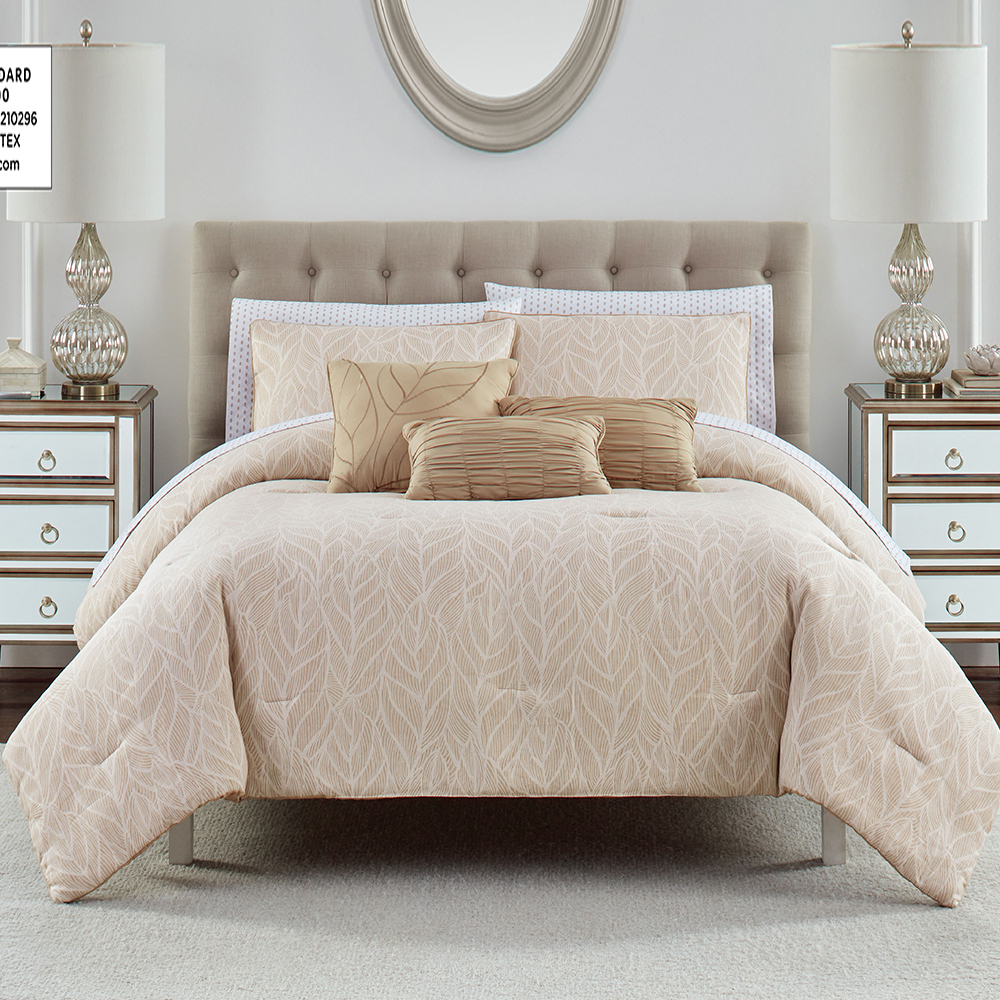
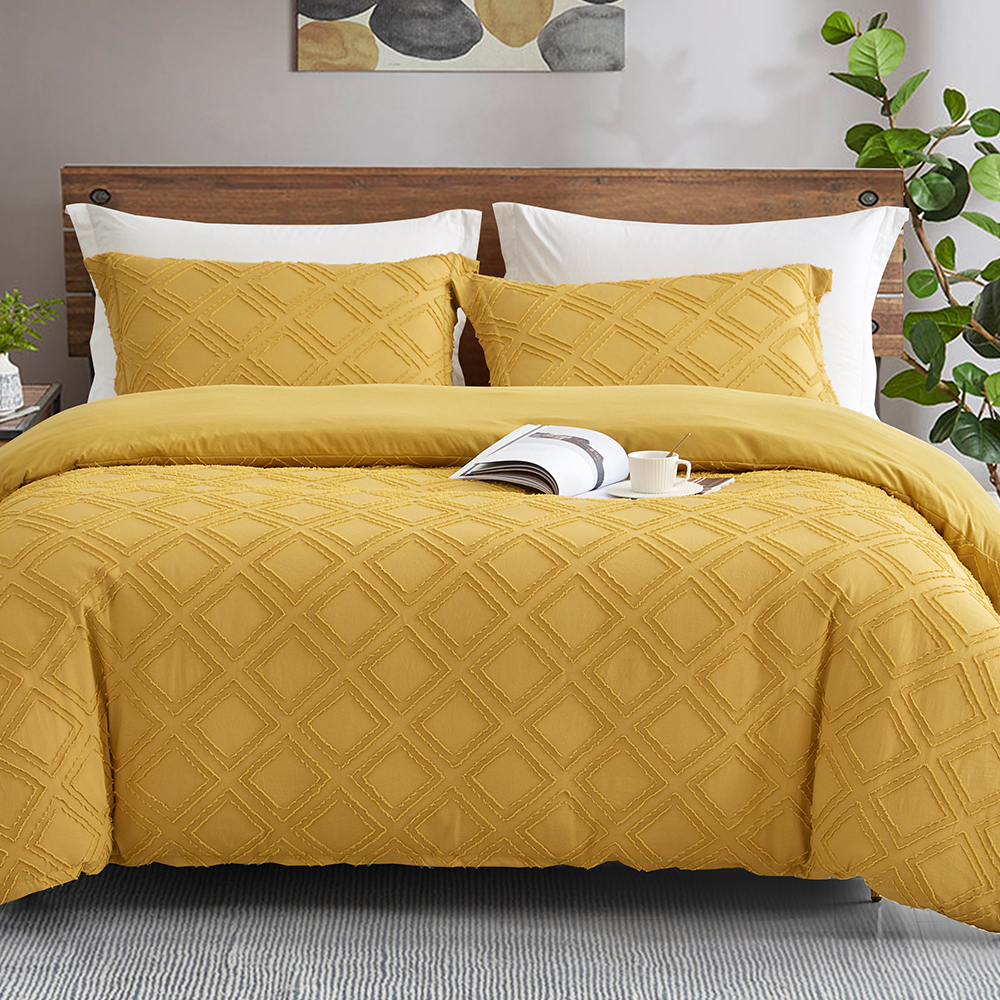
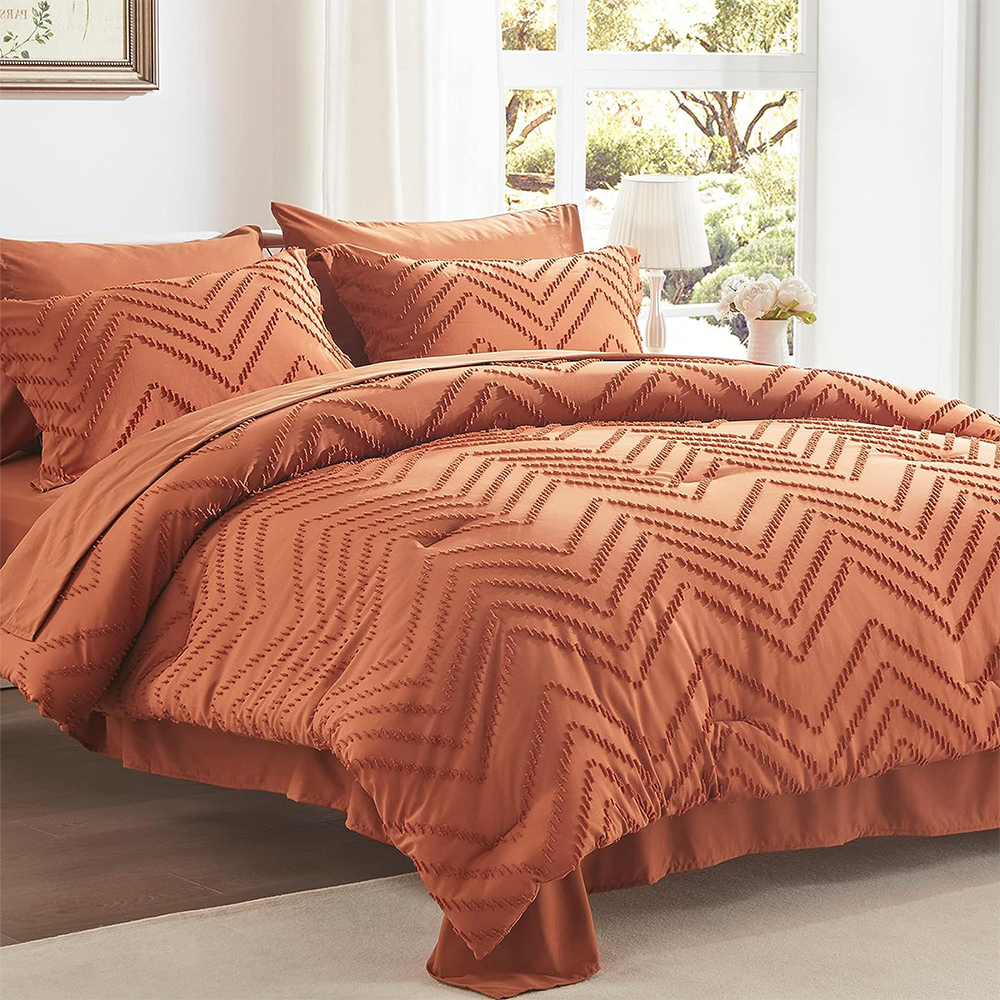
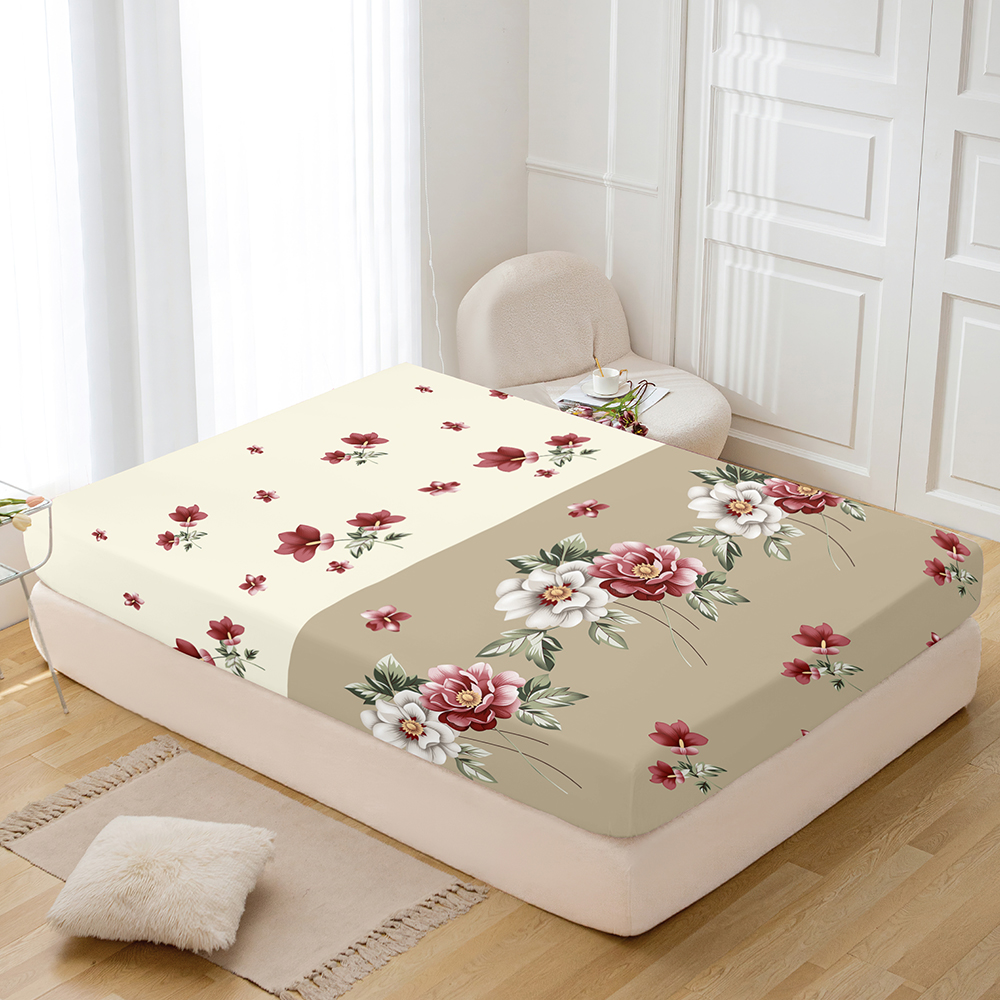
Patterned bedding, while visually expressive, often restricts styling flexibility because strong motifs limit compatibility with other decorative elements. Solid bedding avoids this constraint entirely.
Hospitality and Commercial Bedding Use Cases
In hospitality environments such as hotels, serviced apartments, and guest accommodations, bedding must balance durability, neutrality, and ease of maintenance. Solid comforter sets dominate these applications due to operational efficiency.
Operational Advantages in Hotels
- Faster laundering cycles due to uniform fabric structure.
- Reduced replacement frequency compared to patterned sets.
- Easier coordination with standardized room designs.
In large-scale accommodation environments, solid bedding reduces operational textile costs by an estimated 10–25% over a three-year cycle due to lower mismatch and replacement rates.
Cost Structure and Lifecycle Value Comparison
The overall cost of bedding is determined not only by initial purchase price but also by durability, maintenance cycles, and replacement frequency.
| Cost Factor | Solid Comforter Set | Patterned Comforter Set |
|---|---|---|
| Initial Cost | Moderate | Moderate to high |
| Replacement Frequency | Low | Higher due to style fatigue |
| Maintenance Cost | Low | Moderate |
| Style Longevity | High | Moderate |
Emerging Trends in Bedding Design and Material Innovation
Bedding design is evolving toward hybrid functionality where aesthetics, comfort, and sustainability intersect. Solid comforter sets are increasingly being developed with eco-friendly dyes and recycled fiber fillings, improving both environmental performance and user comfort.
At the same time, patterned designs are shifting toward subtle tonal textures rather than high-contrast visuals, indicating a convergence toward more versatile aesthetics. This trend reinforces the dominance of solid bedding as the baseline design language in modern interiors.
Experimental textile engineering is also introducing temperature-responsive fabrics that adjust thermal retention based on ambient conditions, further enhancing the functional advantages of simplified solid surface designs.
 previous post